Mansions are fascinating, oozing with extravagant opulence or dripping with Southern charm and magnificent splendor, like the plantation homes of the South.
It’s fascinating to walk inside these stately residences and wonder about the secrets they hold. And of course, it’s delightful to stroll the lush gardens that surround many of these glorious structures, filled with colorful roses, fragrant wisteria, and the wafting scents of magnolia blossoms.
Time travel may not be possible, but we can experience the next best thing by touring these living museums that preserve history by keeping the era in which they were built alive.
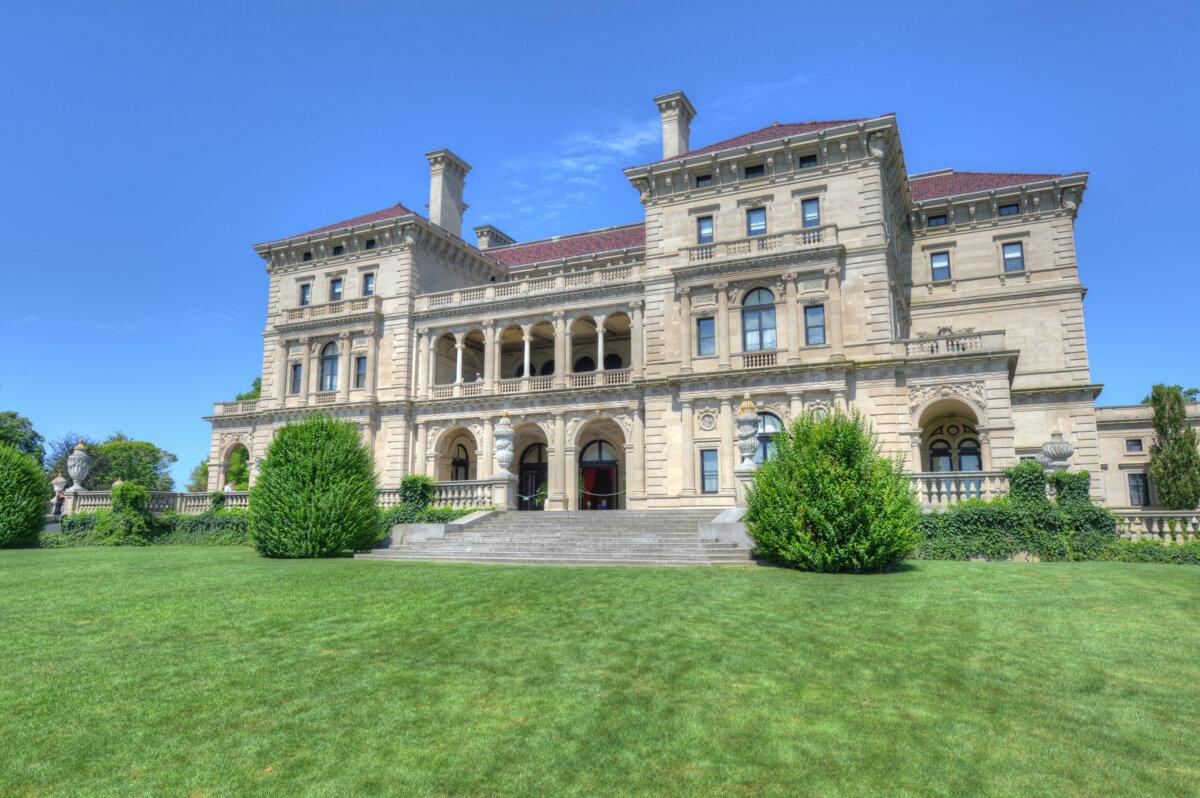
The Breakers
There is certainly no shortage of Gilded Age mansions in Newport, Rhode Island, but The Breakers is the crown jewel of them all.This grand 70-room Italian-Renaissance-style mansion was built between 1893 and 1895 for Cornelius Vanderbilt II, heir to his family’s fortune in railroads. The stunning chateau occupies 14 acres overlooking Easton Bay, is marked by ornate iron gates and a limestone wall, and offers breathtaking ocean views. The construction cost was more than $7 million in the 1890s, and the mansion is valued at well over $150 million today.

Rosecliff
If visitors have time to take in more than one Newport mansion, Rosecliff should be next on the list. The property is named for the rose gardens planted along Newport’s stunning Cliff Walk. The French Baroque Revival “summer cottage” was inspired by the Grand Trianon at Versailles with a distinctive H-shaped layout, white terracotta façade, and paired Ionic pilasters, and served as a backdrop to many films, including “The Great Gatsby” in 1974.Biltmore Estate
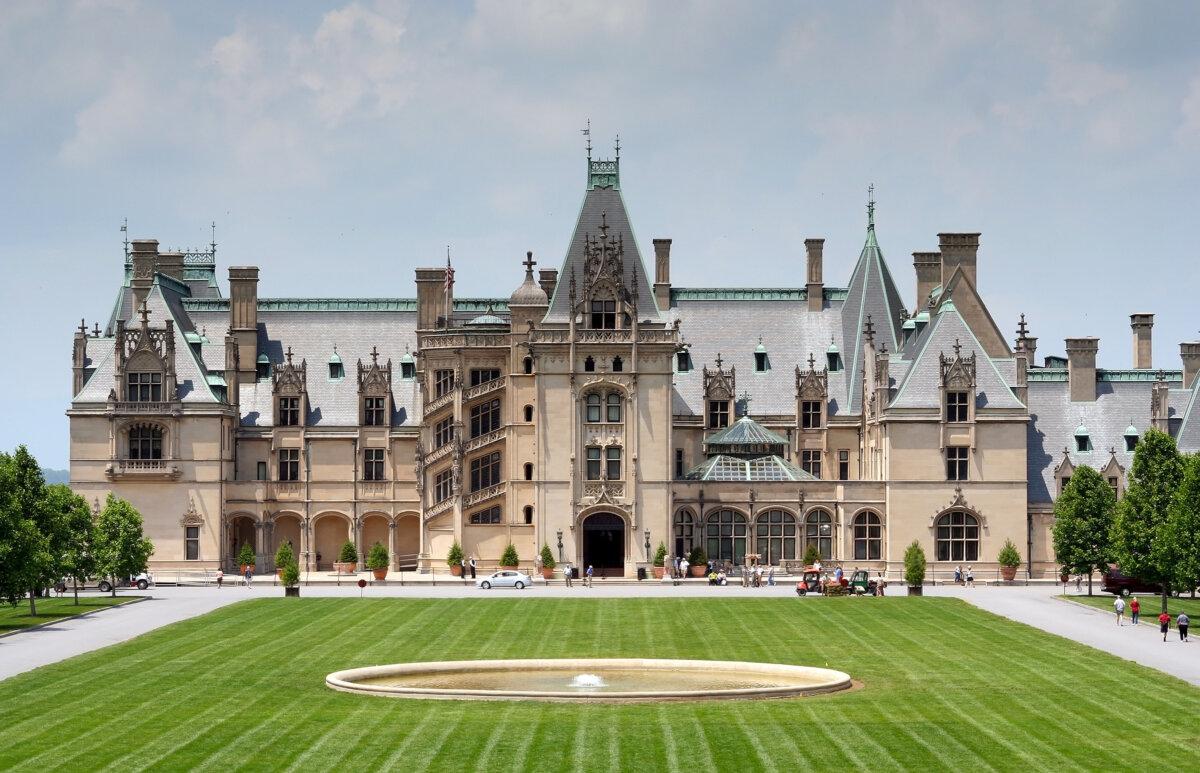
Located in Asheville, North Carolina, the French Renaissance château-style residence built from 1889 to 1895 by George Washington Vanderbilt II consists of 250 rooms, including 35 bedrooms, 43 bathrooms, 65 fireplaces, an indoor swimming pool, and a bowling alley. The French château’s architecture includes steep roofs, towers and turrets with conical roofs, and arched windows and doors.Technically advanced for its era, the estate was powered by Edison light bulbs and equipped with a fire alarm system, elevators, a telephone, indoor plumbing, heating, and electricity.
The château originally sat on 125,000 acres, but today about 8,000 acres encompass the house, formal gardens, winery, Antler Hill Village, and 22 miles of trails. The massive estate remains under the control of Vanderbilt’s descendants.
Hearst Castle
Once the home of media magnate William Randolph Hearst, the stunning, sprawling property located high on a bluff in San Simeon on California’s Central Coast includes 56 bedrooms, 41 fireplaces, exuberantly adorned indoor and outdoor swimming pools, and an impressive art collection, and took 28 years to complete.Henry Morrison Flagler Museum
Also known as Whitehall, the neoclassical Beaux Arts structure named after American industrialist Henry Morrison Flagler and located in Palm Beach, Florida, was modeled after grand European palaces of the Renaissance and Baroque eras.Completed in 1902 as a lavish wedding gift to his third wife, Mary Lily Kenan, the estate boasts a grand façade with massive marble columns, a pedimented portico, arched windows, and a signature red-tile barrel roof. The awe-inspiring mansion is composed of 75 rooms across three stories with grand marble floors, walls, and columns. Spacious rooms that include the library, music room, billiard room, dining, and ballroom are all arranged around a central courtyard.
Belle Meade Plantation
Located in Belle Meade, Tennessee, just outside of Nashville, the plantation, representing an architectural showpiece of antebellum Greek Revival design, now operates as a museum. Originally purchased by John Harding in 1806, the land was used to produce cotton.Magnolia Plantation
One of America’s oldest plantations, Magnolia was established in the 1670s as a rice plantation featuring extensive dikes and earthworks built by enslaved Africans with a link to the Gullah culture. Post-Civil War, the property shifted to horticulture.After a layered history of destruction and rebuilding, Magnolia Plantation and Gardens is now Charleston, South Carolina’s most visited plantation and is still renowned for its 66 acres of magnificent botanical gardens and waterways. The Victorian-style farmhouse with Gothic Revival elements features a broad wraparound porch, gabled rooflines, ornamental woodwork, large bay windows, and a steeply pitched roof.
Boone Hall Plantation
Located in Mount Pleasant, South Carolina, just outside of Charleston, Boone Hall is one of the most iconic and visually stunning plantations in the United States. Founded in 1681, it’s one of the oldest continuously operating plantations in America, offering a deep dive into both Southern grandeur and the painful history of slavery.One of the plantation’s top draws is the iconic Avenue of the Oaks, with more than 80 live oak trees dripping with Spanish moss. The quarter-mile entrance is one of the most photographed spots in the South, featured in films such as “The Notebook” and the miniseries “North and South.”
Oak Alley Plantation
Named for the double row of 300-year-old southern live oaks that create an inviting alley from the Mississippi River up to its main house, the former sugarcane plantation, located in Vacherie, Louisiana, was completed in 1839.Its Classic Greek Revival architecture is typical of antebellum grand homes with 28 colossal Doric columns, formal symmetry, high ceilings, and a slate roof. The interior, however, is less opulent than the monumental exterior that blends natural grandeur with classical formality, a powerful emblem of antebellum style and romance. If nothing else, visitors will be in awe of its stunning live oak tree tunnel.