The nursery doesn’t have to go dormant as summer temperatures rise. Many gardeners close up shop until next spring, but this is actually an excellent time to start a second crop—potentially followed by a third.
Repeated Plantings
The first, and simplest, is planning multiple ongoing plantings of the same vegetables. This also maximizes space, as one can plant a few rows every few weeks or months instead of a dozen rows simultaneously, which can lead to too much bounty all at once. Staggering crops is much better, because even if one crop is lost to heat, drought, disease, or pests, there’s another close behind.
Staggered Varieties
A second style of succession planting is to plant multiple varieties of a vegetable with staggered days to maturity. This method takes a bit more research and planning than repeated plantings of the same vegetables, but also adds a bit of flavor variety to the garden.Seasonal Staggering
The third method takes a long view: multiple seasons. For example, starting fall plants indoors in early to mid-summer (depending on their days to transplant), means they’ll be ready to go into the ground and replace warm-season crops that have gotten to the end of their useful life. This allows for reusing spots that would otherwise be left bare, and should provide healthy eats through the first frost—or year-round plenitude in the far South.Fast and Consistent
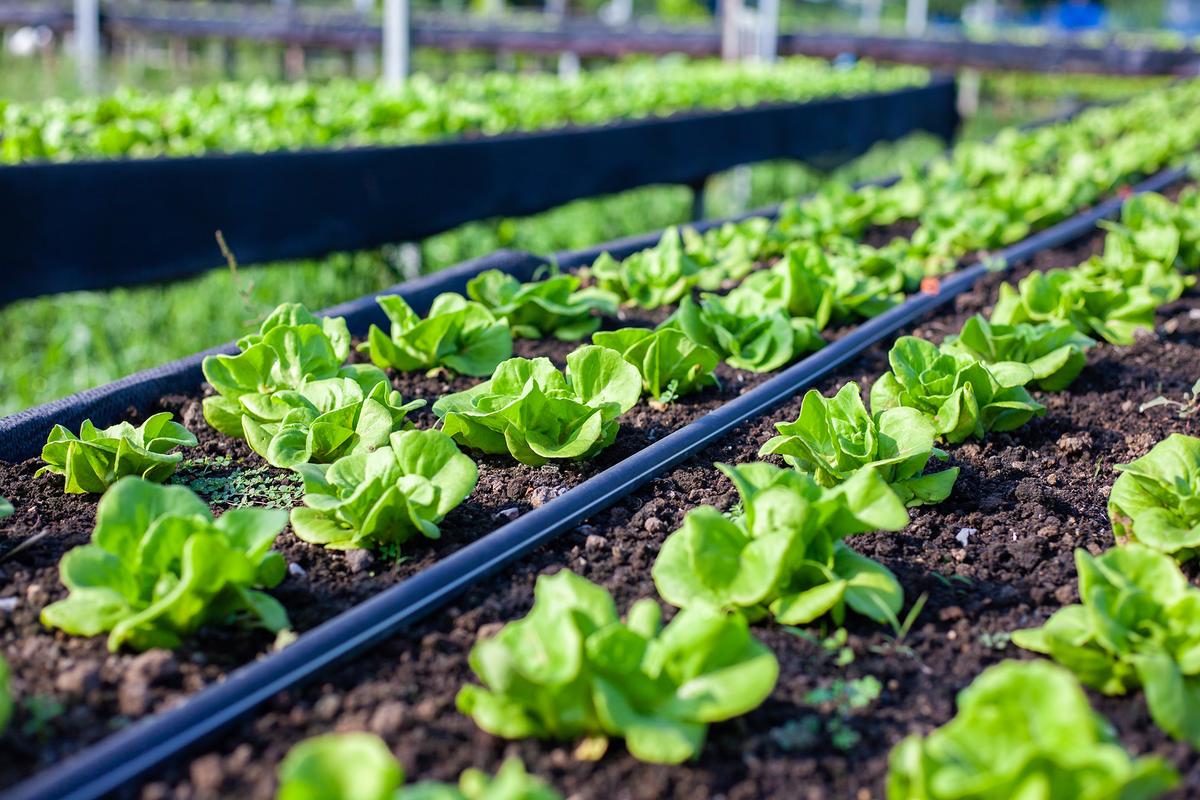
For the repeated plantings method, excellent crop candidates have a long planting window and a quick time to harvest. Lettuce, spinach, carrots, and radishes, for example, have growing seasons that span early spring through fall’s first frost. They can be ready in as little as four weeks, depending on the variety.Be sure to choose heat-tolerant varieties for summer that will resist bolting (going to seed early due to plant stress). Then, simply reseed in place as soon as the first crop is spent.
Direct seeding is particularly important for radishes and carrots, whose roots don’t like to be disturbed after sprouting.
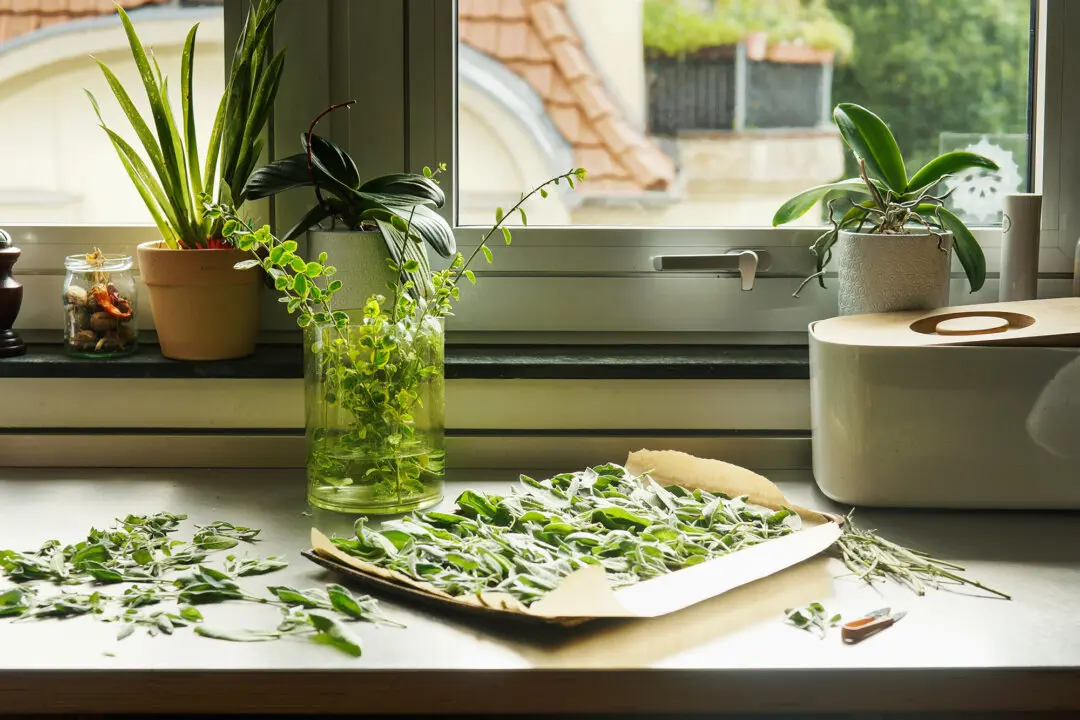
For an even more continuous harvest, stagger several rows (or large containers) that can be reseeded at alternating intervals (for example, two areas that alternate between being reseeded every two weeks instead of one area that is reseeded monthly). Another option for “no gap” harvests is to start lettuce and spinach seeds in a germination tray in the home nursery, either in a window that gets six hours of sun a day or under grow lights, and plant out as needed.

But Wait! There’s More
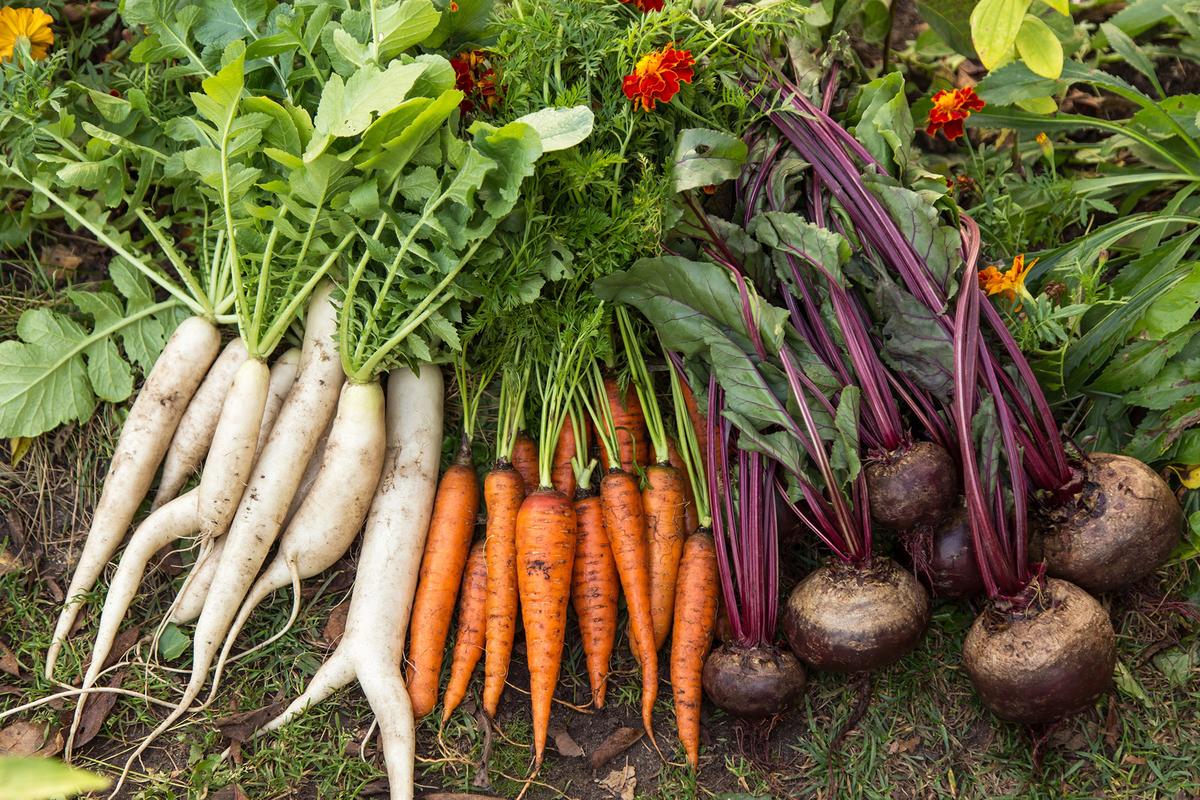
Other good candidates for the repeated plantings method include arugula, endive, escarole, mustard greens, Asian greens, bok choy, beets, turnips, and bunching onions. They simply require longer growing times, typically of six to eight weeks.Fast-producing varieties of cucumbers and bush beans (50–60 days), peas (55–70 days), and corn (60–90 days) also allow the opportunity for successful succession planting. Even a quick summer squash, which can take 10 weeks to harvest, can be succession planted if the season is long enough or if one lives in a frost-free zone.
While all can be direct seeded, it is usually a good idea to start seeds indoors and plant out hearty seedlings, particularly in summer’s high heat or when time grows close to fall’s first frost—with the exception of beets and turnips, whose roots don’t want to be disturbed.
Vigorous Veggies
By planting several varieties with varying days to maturity, a gardener will get a naturally staggered crop with minimal effort. While many gardeners do this in spring, it works equally well for a second crop from summer into fall.Plant Progression
The multi-season approach allows the gardener to truly maximize space by planting a completely different vegetable after the current crop stops producing. For example, you may plant tomatoes, peppers, and beans first, and then, in late summer, plant kale, broccoli, Brussels sprouts, cool-season radishes, beets, or greens.This can be further maximized by interplanting slower-growing vegetables such as Brussels sprouts with fast-growing radishes, beets, or greens. Pick plants with the same moisture needs to make care easier.
With the exception of radishes, beets, and greens, all should be started indoors while the summer crop is still going strong to get a four- to eight-week jump on the next growing season, particularly in areas with an early first frost.
Save some seeds. These cool-season plants will work equally well to get a head start next spring.