“In football the object is for the quarterback, otherwise known as the field general, to be on target with his aerial assault, riddling the defense by hitting his receivers with deadly accuracy in spite of the blitz, even if he has to use a shotgun. With short bullet passes and long bombs, he marches his troops into enemy territory, balancing this aerial assault with a sustained ground attack that punches holes in the forward wall of the enemy’s defensive line.
“In baseball the object is to go home! And to be safe! I hope I'll be safe at home!”
Carlin’s comparison between the two sports brings a laugh, but it’s also insightful. Football players, coaches, fans, and announcers all bring the language of the battlefield to the playing field.
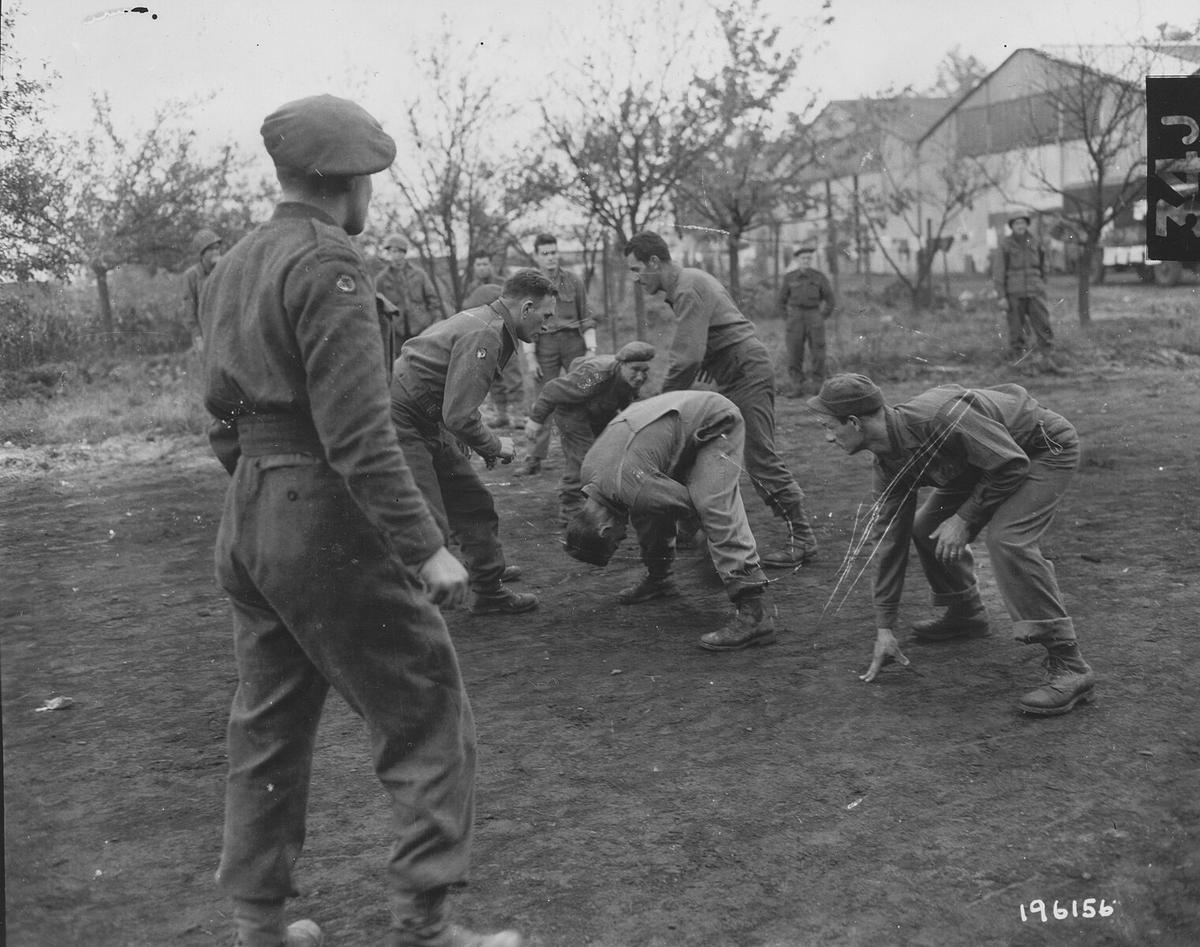
Applied to World War II, this gridiron language takes on new meaning when we remember that thousands of American college and professional football players left behind their games and locker rooms and marched off to war.
Wars Without Stadiums
In 1941, just two weeks after Pearl Harbor, the National Football League’s Chicago Bears defeated the New York Giants 37–9 in the league’s championship game, the equivalent today of the Super Bowl. In those days, professional football—the NFL was only 21 years old—played second fiddle to baseball in popularity. Attendance at this playoff contest, for instance, was less than 14,000. The league sported 10 teams in cities around the country.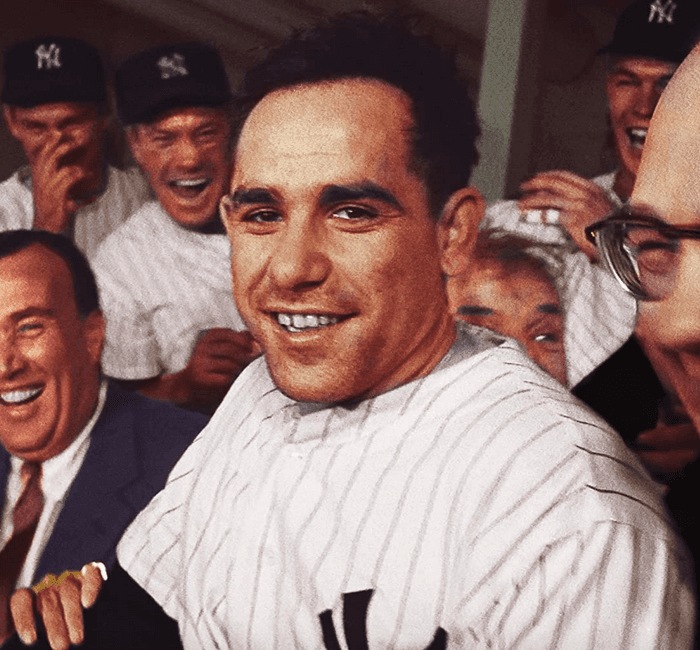

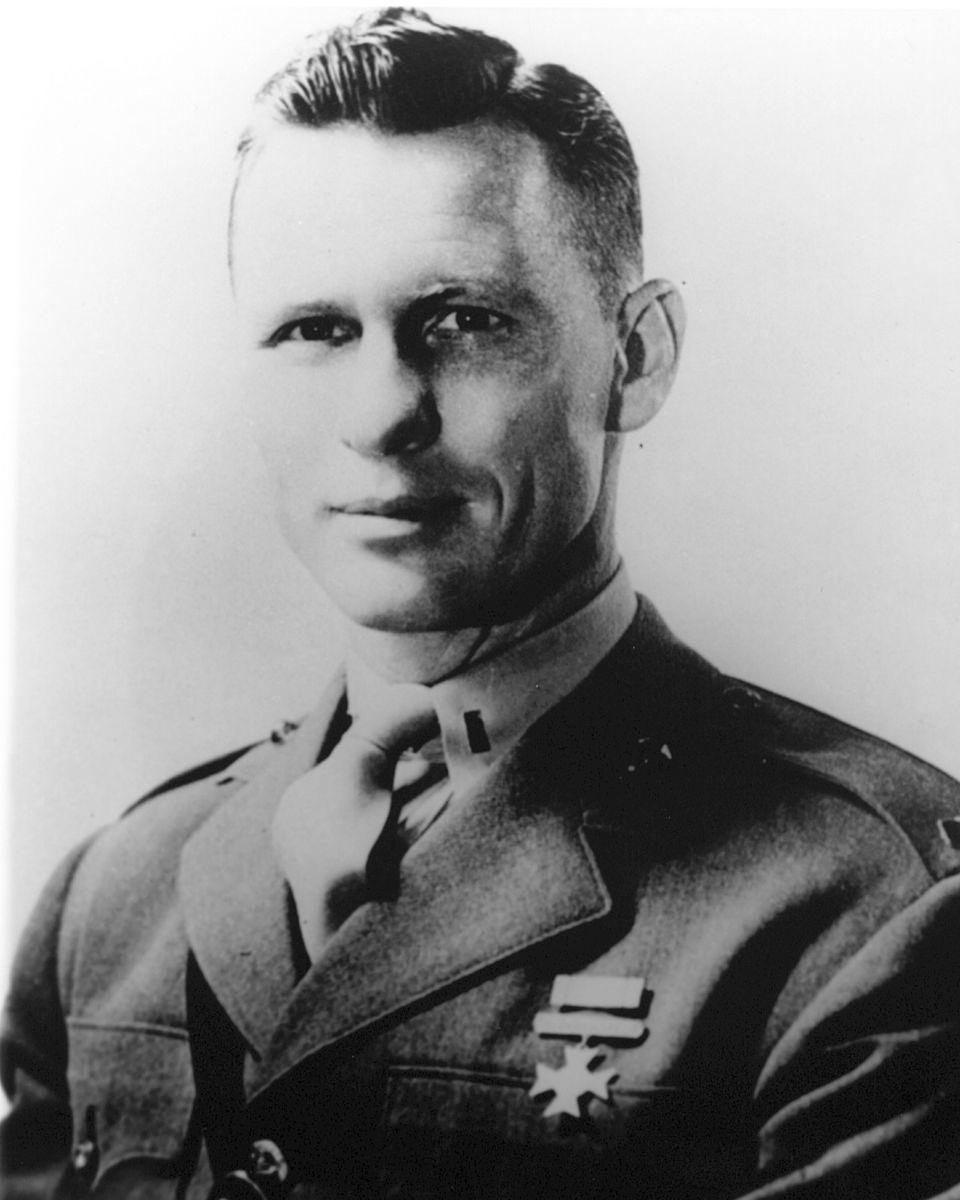
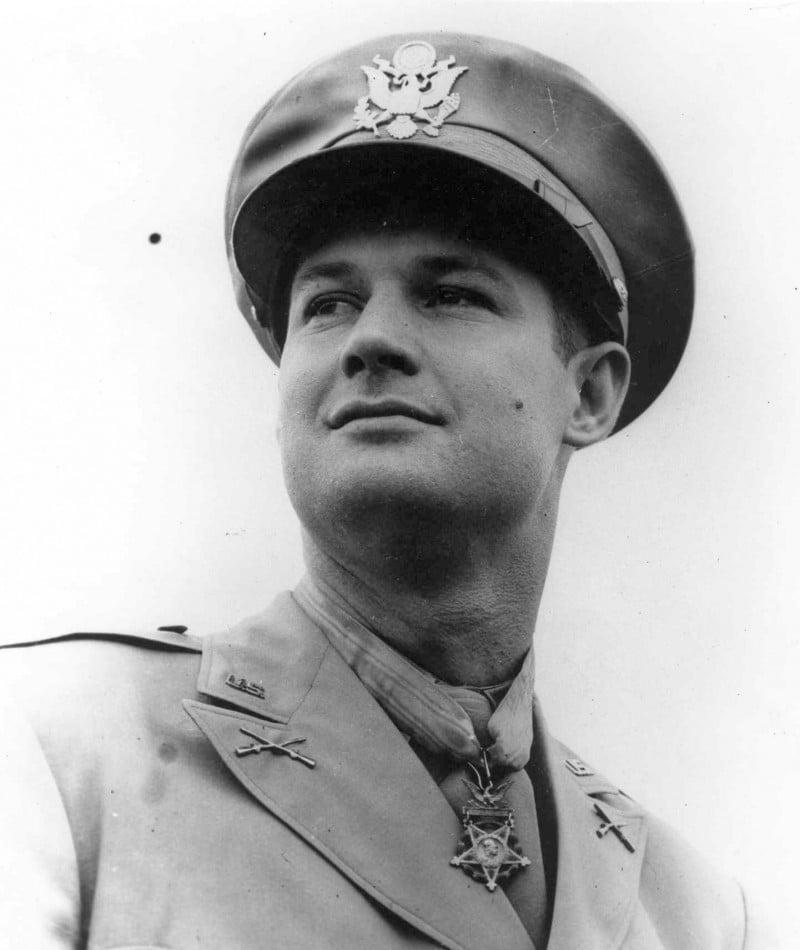
Interestingly, Britt, who had played ball at the University of Arkansas, and Baylor’s Lummus had three times faced each other on the field. Later, as players for the prewar NFL, they played against each other once.
The College Boys
There is no accurate count of the thousands of college players or recent graduates who exchanged their jerseys and pads for a uniform. Yet we do know that because Uncle Sam called so many of these athletes into service, a number of schools either shut down or suspended their football programs. Some, like Gonzaga, never brought the sport back to campus, while others, like Alabama, Virginia Tech, and Michigan State, had by 1943 put a pause on their programs.As might be expected, the nation’s service academies—West Point and Annapolis—dominated college football during the war years. West Point’s record for 1944, during which the team outscored opponents 504–35 and defeated Notre Dame 59–0, can be traced to two factors: the Army’s ability to select football players from military recruits and encourage them to enter the academy as students, and the player-depleted ranks of their rivals due to the war.
A Coach’s Patriotism
Some of these college and professional football players were drafted into the military. Others signed up to beat the draft and have some say-so in which branch they served. Still others volunteered from love of country in the aftermath of Pearl Harbor.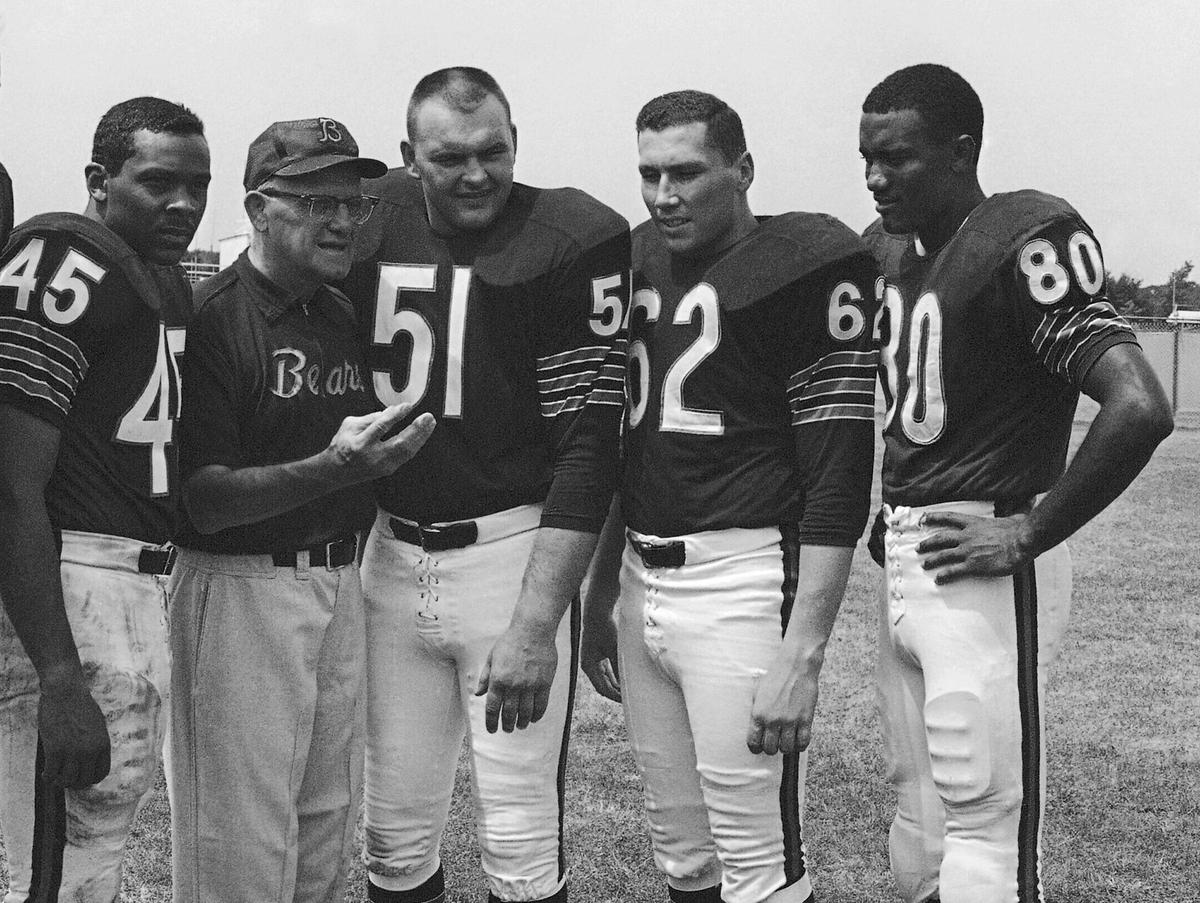
Other Fields of Fire
The conflicts that followed World War II—the Korean and Vietnam Wars, the fighting in the Middle East—also found some players carrying weapons rather than footballs. Eddie LeBaron, for instance, appeared in two 1950 Washington Redskins games before being sent to Korea as a lieutenant with his Marine Corps reserve unit. There he was wounded in action, received the Purple Heart and the Bronze Star, and returned to the United States to play seven more seasons with the Redskins and four with the Dallas Cowboys.Rocky Bleier played the 1968 season with the Pittsburg Steelers, was drafted into the Army, and then sent to Vietnam, where he was hit by shrapnel in the leg. Though warned by doctors that he might never play again, Bleier went on to spend 10 seasons in the NFL, including playing in four Super Bowls.
Then came the 9/11 attacks.
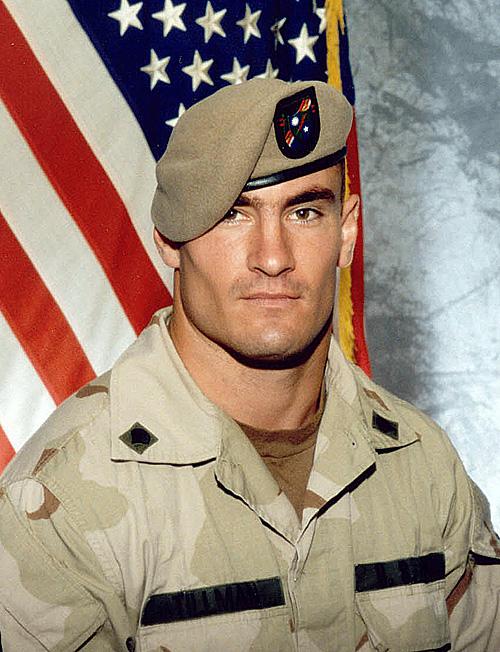
Interviewed the next day, Tillman said: “At times like this you stop and think about just how good we have it, what kind of system we live in, and the freedoms we are allowed. A lot of my family has gone and fought in wars and I really haven’t done a damn thing.”
A Hidden Cost of War
Like George Halas, Maurice Britt, and Pat Tillman, millions of Americans in World War II and afterward had their plans and their lives overturned by their country’s call to arms. Some were celebrities, like actor Jimmy Stewart, who left Hollywood behind, enlisted in the Army Air Corps, rose from private to colonel, flew 20 missions over Europe, and was honored for his courage with two Distinguished Flying Crosses. Some were athletes, like the NFL and college players and men like New York Yankees catcher Yogi Berra, who was playing on the club’s minor league team when he was drafted at 18. He joined the Navy and volunteered to serve on a newly designed rocket boat during the D-Day Invasion.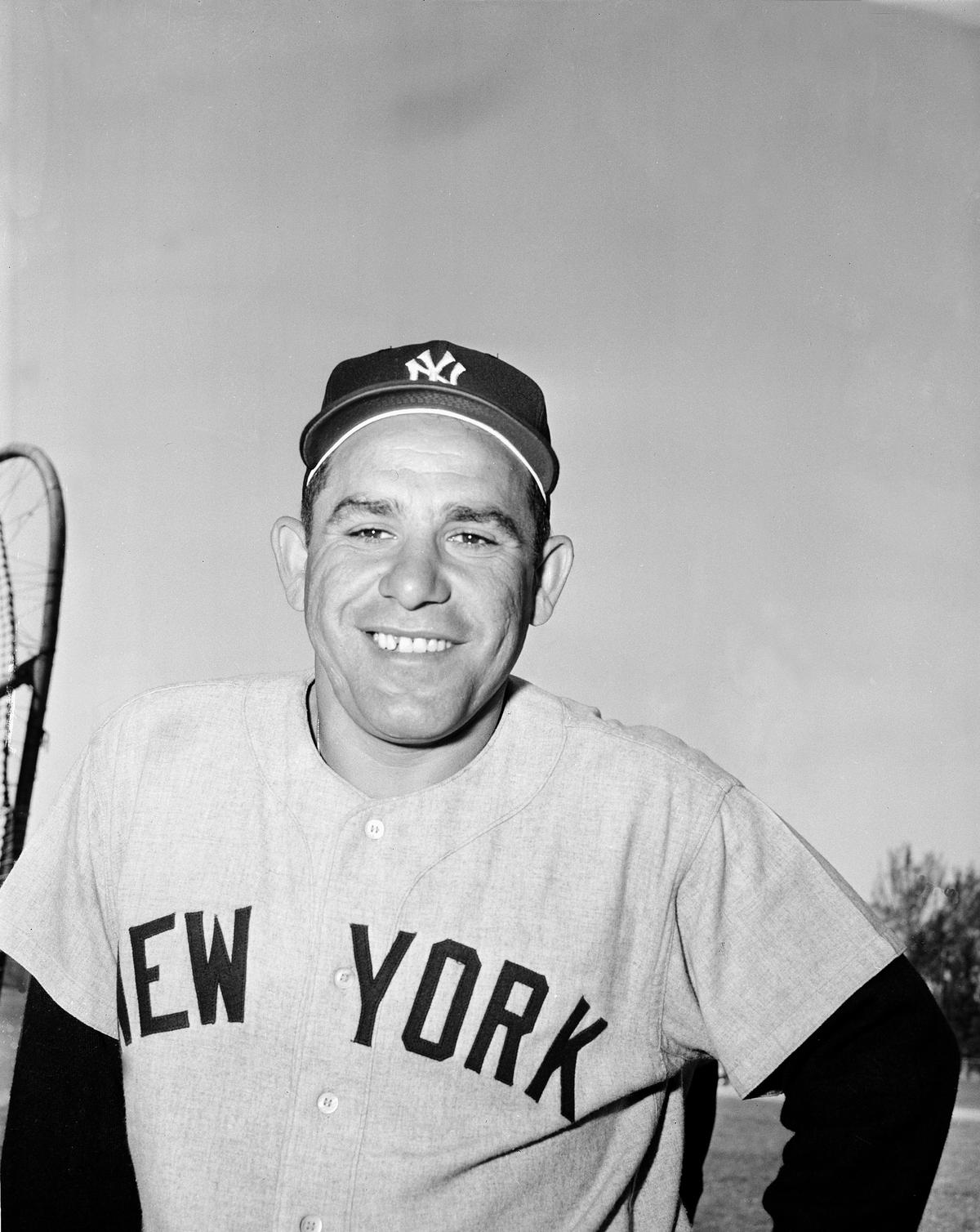
We rightfully pay our respects to these public figures who sacrificed years of their careers, and in some cases their lives, to serve their country. But behind them are those countless ordinary Americans, men and women who made the same sacrifices but without the fanfare. This disruption of ambitions and plans, marriage and family, and careers is an often overlooked consequence of war.
Recollecting those NFL players and other athletes who sacrificed some of their key performance years to serve their country can help us remember the millions of other Americans who did the same.