How can gray images on a flat screen continue to thrill and give chills 90 years after they were filmed? The power to draw audiences into a make-believe story is the great secret of the theater, brought to more intense levels by the magic of the movie industry.
Although much credit is given to classic masters of suspense in the directorial and cinematographic departments, Hollywood owes a good deal of its abilities to sway the emotions to its composers.
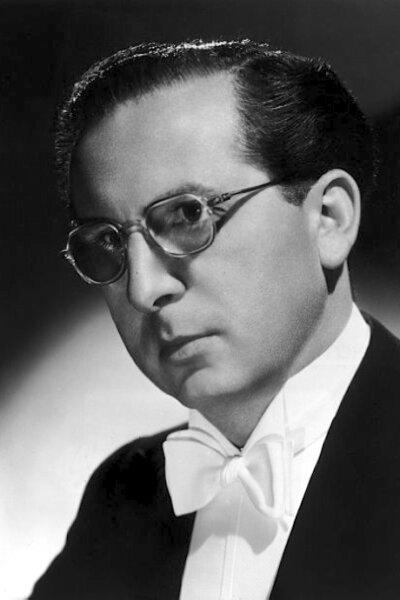
Out of the thousands of films made during the Golden Era of Hollywood, most were scored by a handful of film composers. Not the least of this group was Franz Waxman, a gifted classical composer who applied his musical genius to writing some of the most hauntingly brilliant scores of the 1930s to 1960s.
The Sound of Suspense
Franz Waxman’s Hollywood career lasted from his arrival in the United States in 1934 until his death in 1967. During that time, he wrote 144 film scores. Some of the most recognizable titles in that number are suspense or horror films. Waxman got his start in Hollywood with the 1935 Universal horror film “The Bride of Frankenstein.” This sequel reteamed Boris Karloff, the unforgettable monster of the 1931 hit “Frankenstein,” with acclaimed horror director James Whale.Now four years deeper into the talking picture era, Hollywood needed a stronger score that wasn’t just background music. It needed to heighten the tension and increase the nuance. Whale gave Waxman the job because he was impressed by his score for the 1934 French film “Liliom,” one of his first dramatic scores.
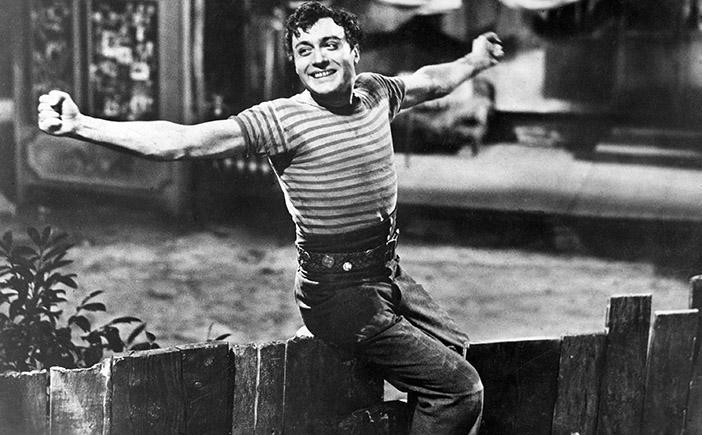
“The Bride of Frankenstein” was so successful that Waxman was appointed head of Universal Pictures’s music department.
Waxman also achieved success in another chilling genre: suspense. In 1940, he wrote the score for British director Alfred Hitchcock’s first American film, “Rebecca.” By that time, he was under a 7-year contract at MGM, but he was loaned to David O. Selznick for the project.
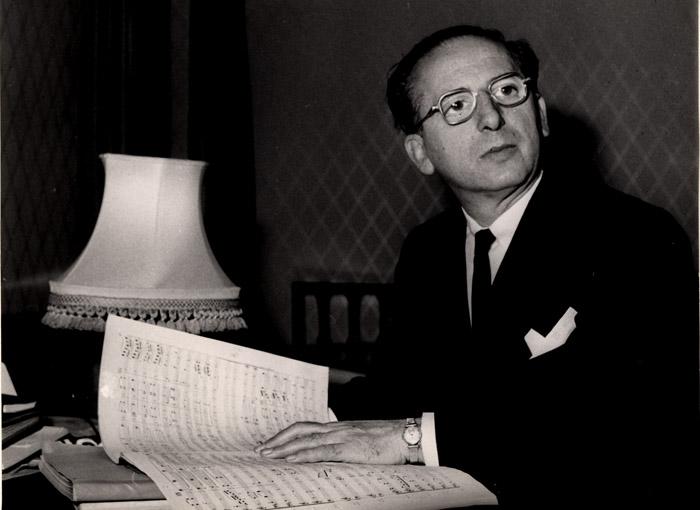
Musical Roots
Franz Waxman was born Franz Wachsmann on Dec. 24, 1906, in Upper Silesia, Germany, which is now Poland. The youngest of six children, Franz began piano lessons at the age of 7. As no one in the family was musical, his industrialist father was concerned about the instability of the music career his son had his heart set on pursuing.The young man followed his father’s wishes by working as a bank teller at age 16. Meanwhile, he used his salary to fund his piano lessons and studies in harmony and composition.
European Films
His inroad to motion pictures was Frederick Hollander. Hollander would write Hollywood film scores in later decades. This German composer had written some songs for the Weintraub Syncopaters, and he recognized Waxman’s talent.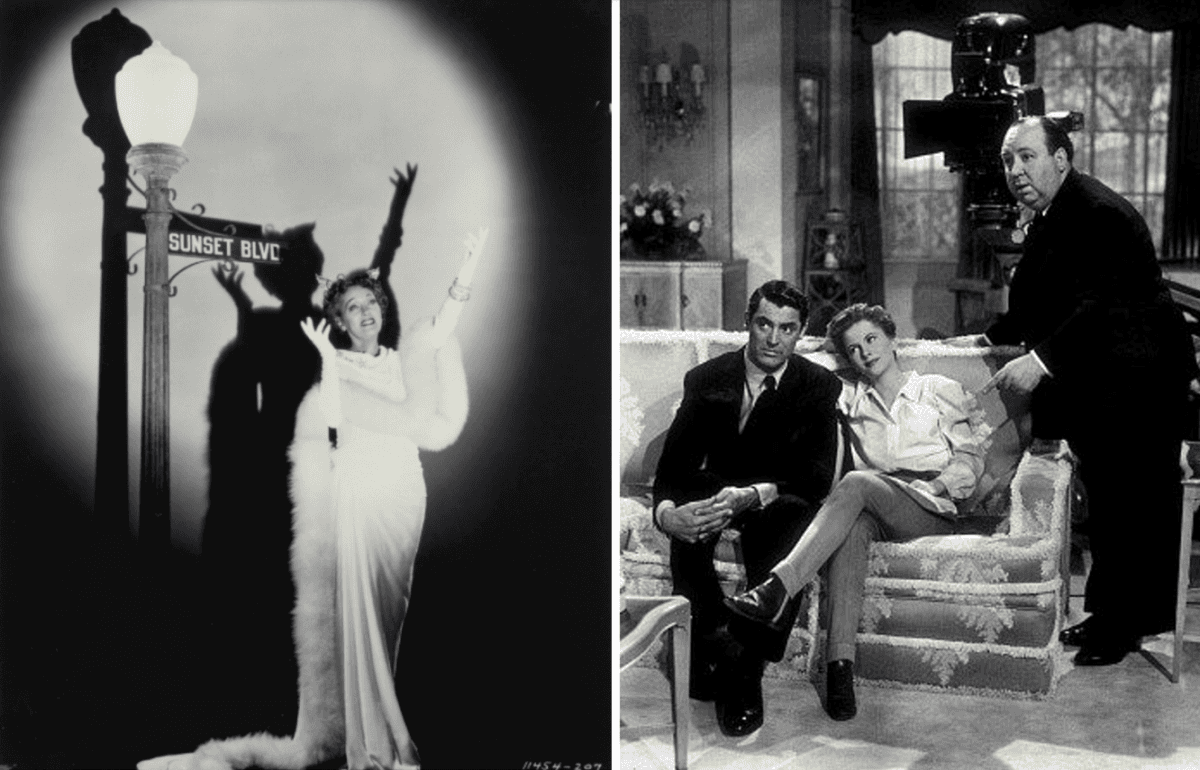
He hired Waxman to orchestrate and conduct Hollander’s score for the 1930 Marlene Dietrich hit “The Blue Angel.” The film’s producer, Erich Pommer, was also the head of Berlin’s UFA Studios, and he was very impressed with Waxman’s work.
Waxman worked on about 19 European films in the early 1930s. By 1934, however, Berlin was no longer a safe place for Jews, and Waxman suffered a beating at the hands of Nazi sympathizers. He and his wife fled with Pommer to Paris, where they filmed “Liliom.”
This dramatic film was based on the same play that would inspire the Rodgers and Hammerstein musical “Carousel.” It offered Waxman his first chance to write an important original score.
The next year, Pommer had the opportunity to produce a Jerome Kern musical, “Music in the Air.” Now that his Jewish heritage put him in danger of the rising Nazi party throughout Europe, he was eager to accept this offer to return to Hollywood. He took his friend Waxman with him to act as arranger.
Waxman in the Concert Hall
Franz Waxman was nominated for 12 Academy Awards during his 32-year Hollywood career. Of those 12 nominations, he won for “Sunset Boulevard” in 1950 and “A Place in the Sun” the next year, making him the only composer to win in two consecutive years for over 50 years.Waxman was renowned for his ability to integrate the grandeur and complexity of European classical music into the very American art form of cinema. While other great film composers used their classical roots merely as a foundation for the popular Hollywood style they developed, Waxman believed that classical music could and should be an integral part of film scoring.
He did this by arranging classical masterpieces that figured into the plot, cleverly quoting snippets from well-known themes or creating his own classical-style melodies to convey powerful messages.
For his ability to sway the heart and thrill the senses, Waxman deserves to be remembered as a brilliant composer who brought the genius of Europe to Hollywood’s shores, fulfilling the American dream on the silver screen.