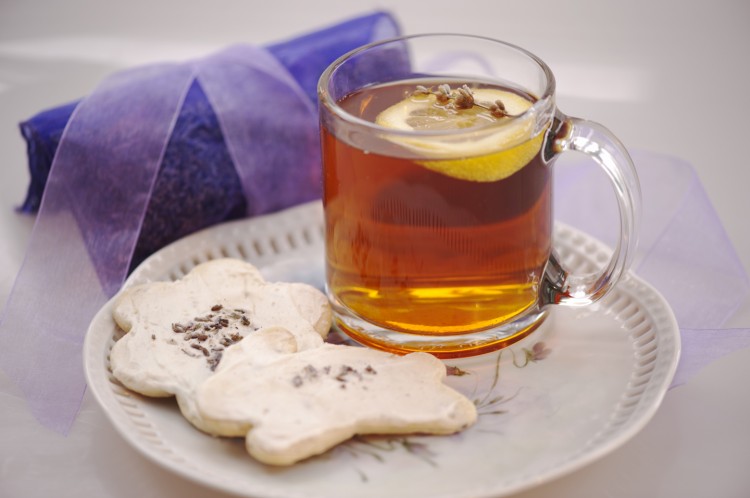
Lavender is breaking out of its old-fashioned, narrow fragrance image—perfumes, sachets, air fresheners, and linen spray.
Its antimicrobial properties make it an attractive key ingredient in commercial and homemade cleaning and bathing products, body lotions, and first aid remedies. In addition, lavender’s taste and distinctive fragrance are definitely inspiring cooks, gardeners, crafters, and small-scale farmers alike.
Why lavender buds in cookies?
Because it is “simply delicious,” says author and lavender grower Sarah Berringer Bader. She explains in her new book “The Lavender Lovers Handbook” that “lavender-infused desserts are becoming popular.”
By sharing her recipes, Bader hopes others will try using lavender buds in their own recipes. Count me in after trying her lavender shortbread cookie recipe, the one selected for this article.
Bader expands our imagination when it comes to the many possible uses for lavender. Lavender-infused sugar, syrup, jam, vinegar, spice mixtures, and cooking oils from simple recipes are some inviting blends to attempt at home.
“There are 100 beautiful and fragrant lavender varieties,” Bader writes. Some varieties are recommended for culinary or crafting uses, others to provide a curbside appeal hedgerow, while others can be planted in containers.
According to Bader’s book, the best lavender for taste is the L. angustifolia variety, which includes Folgate, Hidcote Pink, Melissa, and Royal Velvet.
Lavender plant varieties can also be selected for growing by bloom colour, plant size, blooming times (early or all season), and craft or culinary uses. Lavender is ideal planted with other drought-resistant plants and in well-drained and sunny areas.