One benefit, among many, of the lakeside cottage I own in the rolling mountains of western Maine is that it’s close to a wide choice of hiking opportunities. These range from a short stroll along the route of an abandoned railroad track, to a stretch of the Appalachian Trail. That walking route extends nearly 2,200 miles between Georgia and Maine, passing through 14 states along the way.
Trails come in many lengths and traverse a variety of terrains. You can choose a brief walk near where you live or a driving expedition far from home. As you travel around the country—and the world—consider a trail tour that will delve into places and stories that match your interests and introduce intriguing chapters of history.
That’s true of a journey along Louisiana’s Great River Road, which runs between Baton Rouge and New Orleans. Among the antebellum plantation houses that it leads to is the Laura Plantation, where Creole families lived during the 18th century. Standing nearby the “big house” are several original cabins in which enslaved people lived.
Another stop, the River Road African American Museum, features materials relating to slavery and African American life in the area. Exhibits include an interactive kiosk relating freedom stories from the Underground Railroad, information about rural black doctors and inventors, and the country roots of jazz music.
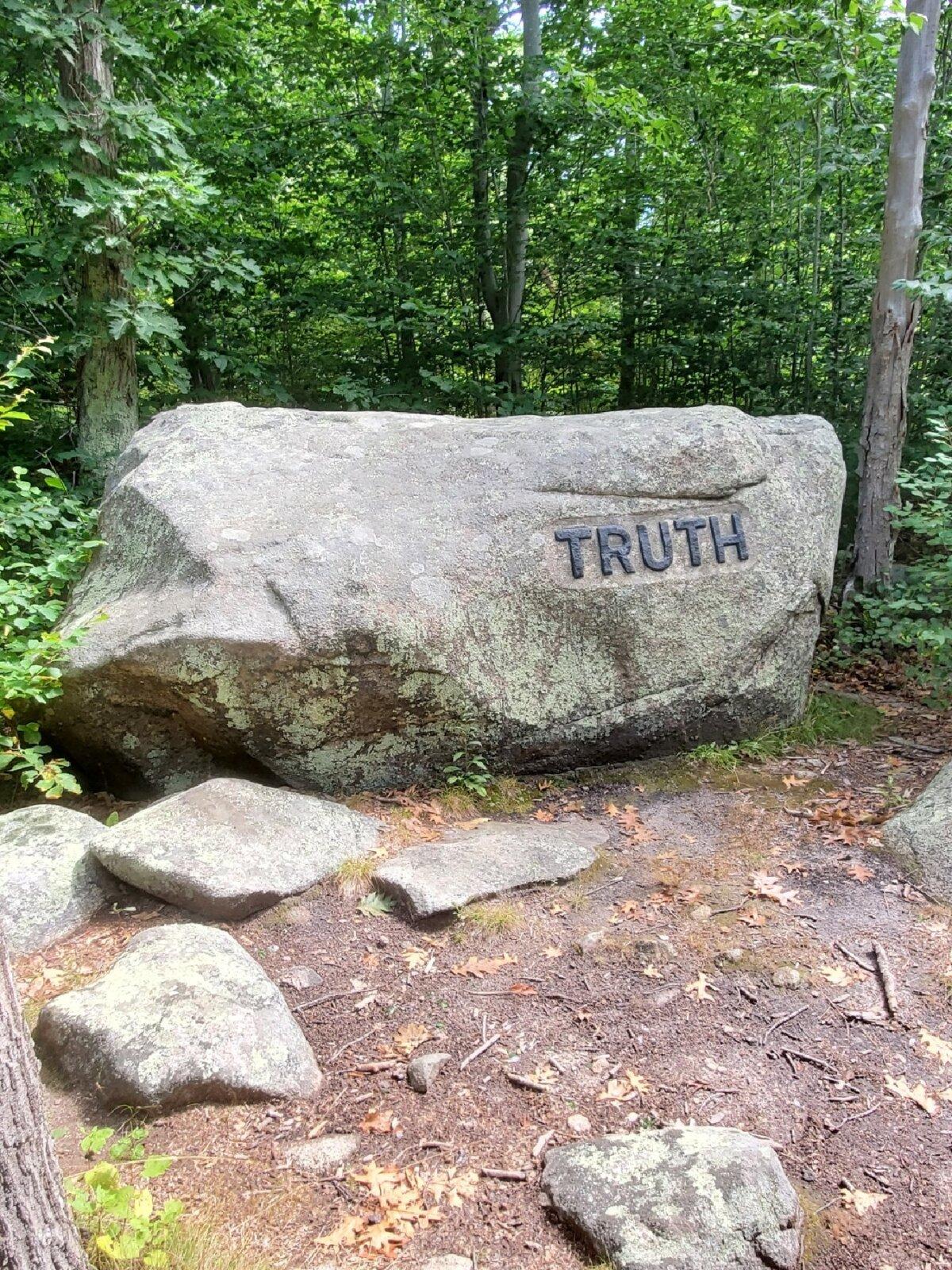
At the Dogtown and Babson Boulder Trail in Gloucester, Massachusetts, a wealthy man named Roger Babson established a path leading past boulders carved with inspirational words and phrases. Those who follow this trail today see what are known as the Babson Word Rocks.
The past also comes alive at Three Island Crossing State Park in Idaho. It was the site of the most challenging water passage along the Oregon Trail. That 2,170-mile route connected Missouri River Valley with the Oregon Territory. It was used by fur trappers and traders during the early 19th century and later by wagon trains. Original wagon wheel ruts and replicas of Conestoga carts serve as reminders of that time.
Clues to a much earlier period greet visitors to Colorado’s Picket Wire Canyon Trail. The largest known dinosaur track site in North America, the 17.6-mile-long Picket Wire Canyon Trail follows more than 1,400 individual tracks left by the plant-eating Brontosaurus and carnivorous Allosaurus some 150 million years ago.
Then there are trails known primarily for the beauty of the areas through which they run. That’s true at the Beartooth Mountains in Montana. The soaring rock walls and steep pinnacles—including 12,807-foot-tall Granite Peak, the highest point in the state—are reflected in the clear waters of sparkling lakes.
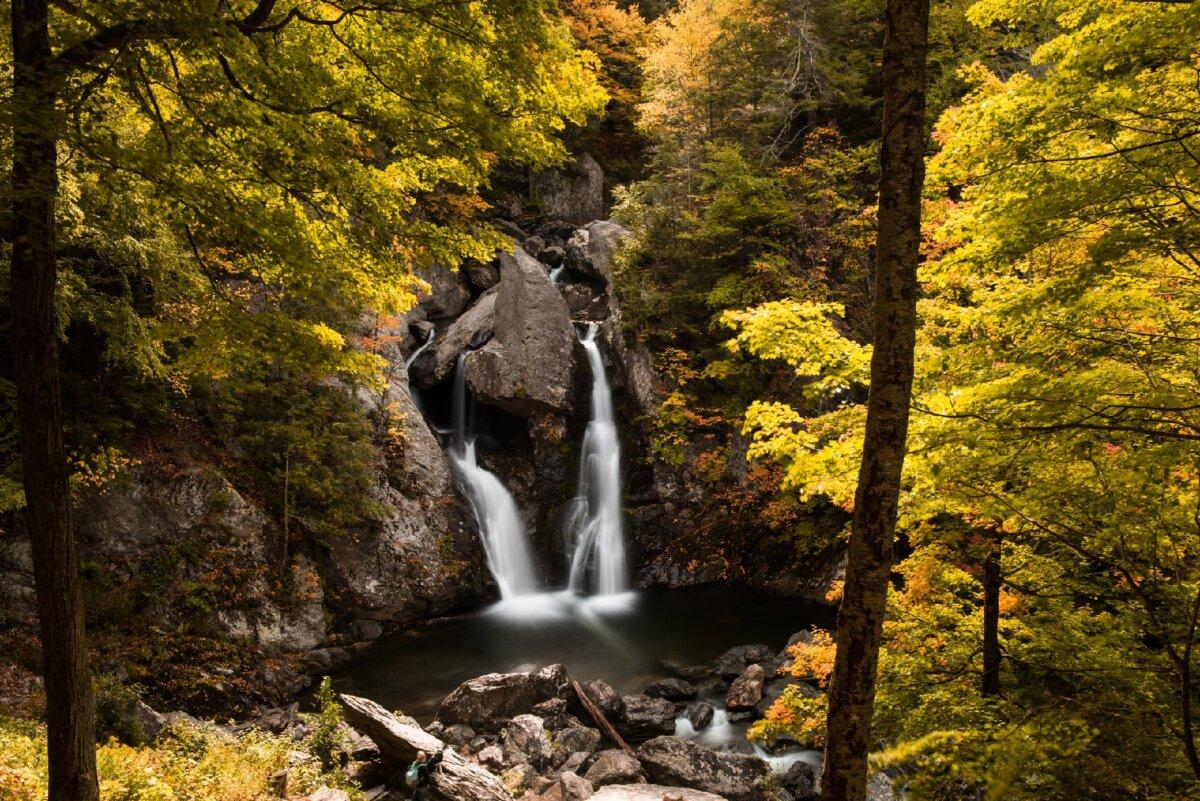
Water is the main attraction at the Bash Bish Falls in Massachusetts. According to legend, the unusual moniker came from the name of a Native American woman who was accused of adultery and punished by being lashed to a canoe that was sent over the falls, resulting in her death. Several walkways lead to and around the cascading water, including one to its peak that rewards hikers with views into Taconic State Park. That enclave, which is part of one of the largest unfragmented forests in the East, has been designated by The Nature Conservancy as one of “America’s Last Great Places.”