I grew up with kilts, bagpipes, fiddles, and ceilidhs. No, not in bonnie Scotland, but in beautiful Cape Breton Island, Nova Scotia.
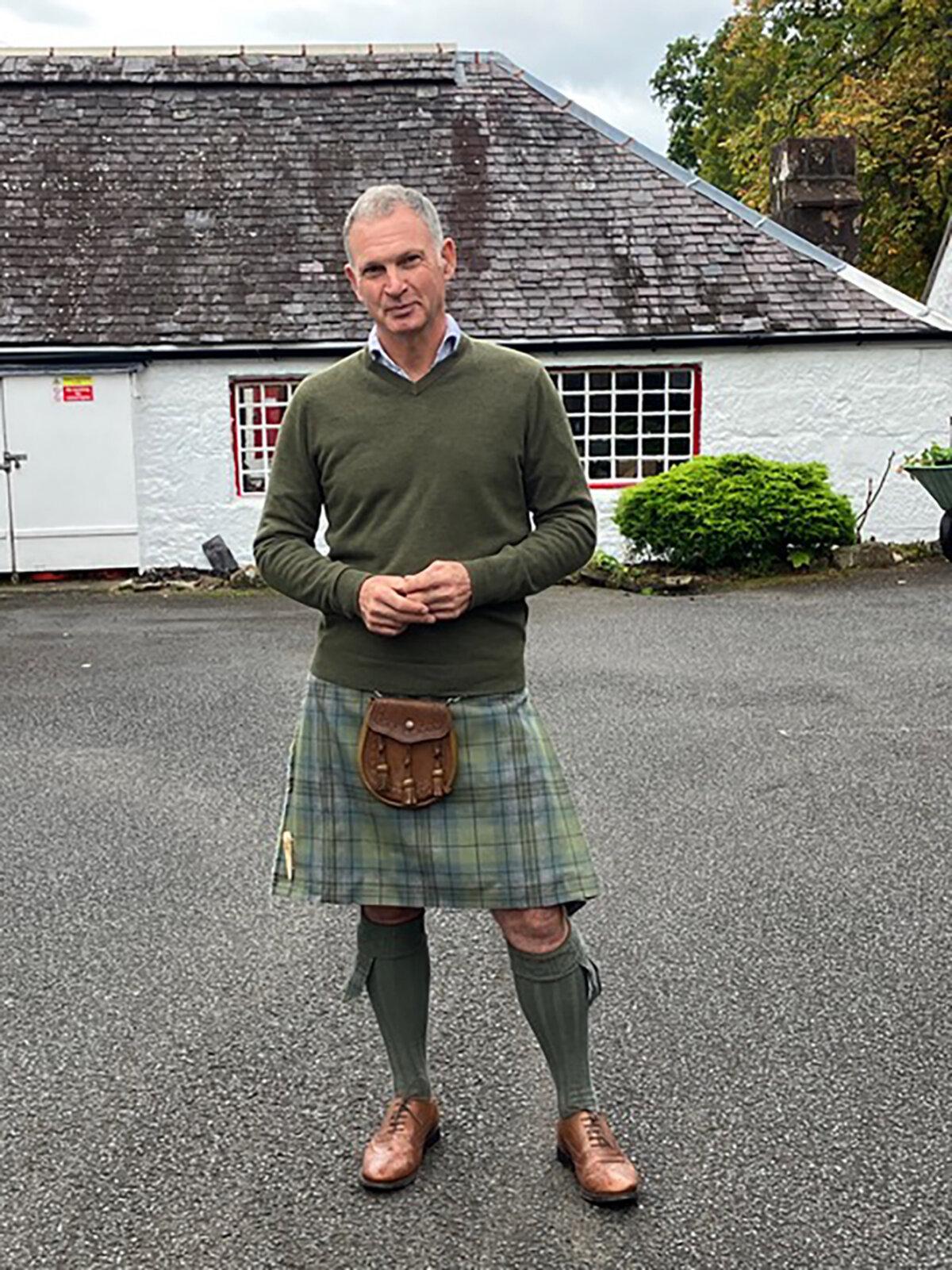
So, when at last I visited Scotland’s Isle of Arran this past September, my guide, the engaging Alex Dickinson of Mogabout Tours, dressed from top to toe in tartan, made me feel right at home. But then, the 167-square-mile Isle, just shy of a population of 5,000, confirmed what I had felt: welcomed with a warmth and a generosity of spirit that was entirely authentic.
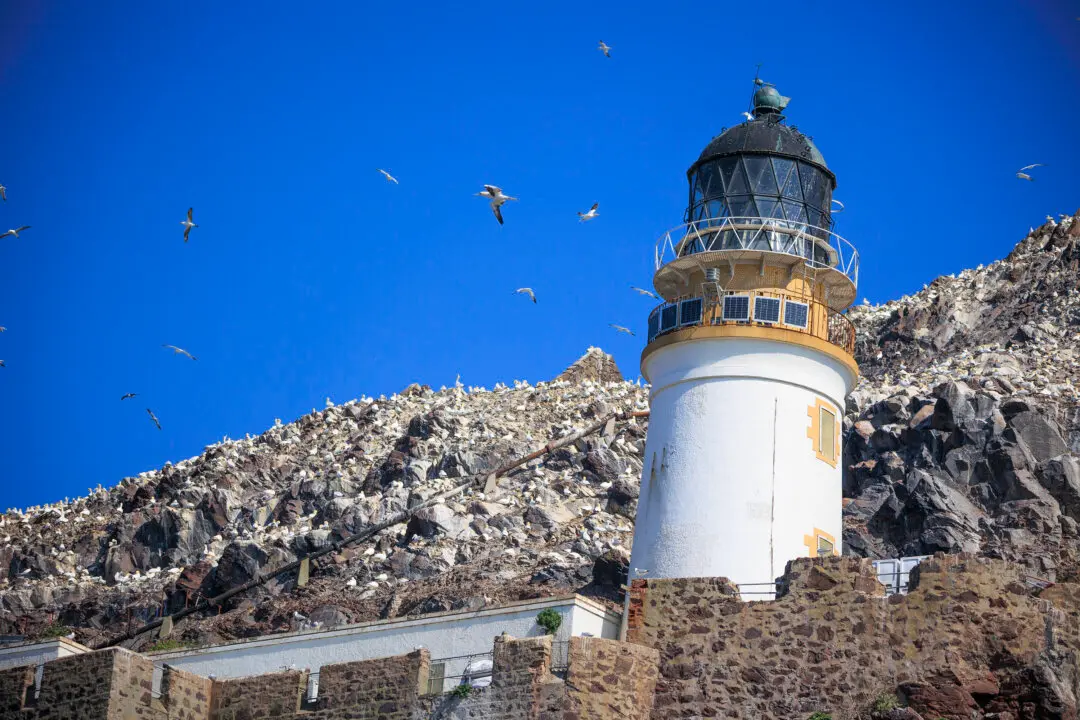
Recently anointed a UNESCO Geopark and nicknamed “Scotland in Miniature,” Arran is an island on the west coast of Scotland anchored in the sheltered waters of the Firth of Clyde, an hour-long ferry ride from the city of Glasgow.
During my visit, Alex didn’t leave a Viking’s stone unturned or a 12th-century shell of Lochranza Castle on the beach unexplored. We hiked up hills carpeted with heather and thistle and viewed panoramic scenes of the sea and green-hued landscape at a vertiginous drop below. A “Fairy Rain,” as the Islanders refer to it, fell gently, laced with the scent of the briny sea.
Next stop: Lochranza Distillery, where a dram or two of the award-winning Arran Single Malt warmed the cockles of our hearts. It’s one of only 12 independent whiskey distilleries in all of Scotland, and a behind-the-scenes tour of the complex process is highly recommended. Apparently, a key to the quality of the product is the water, and as the distillery tour guide told us, “The area is home to the purest water in all of Scotland.”

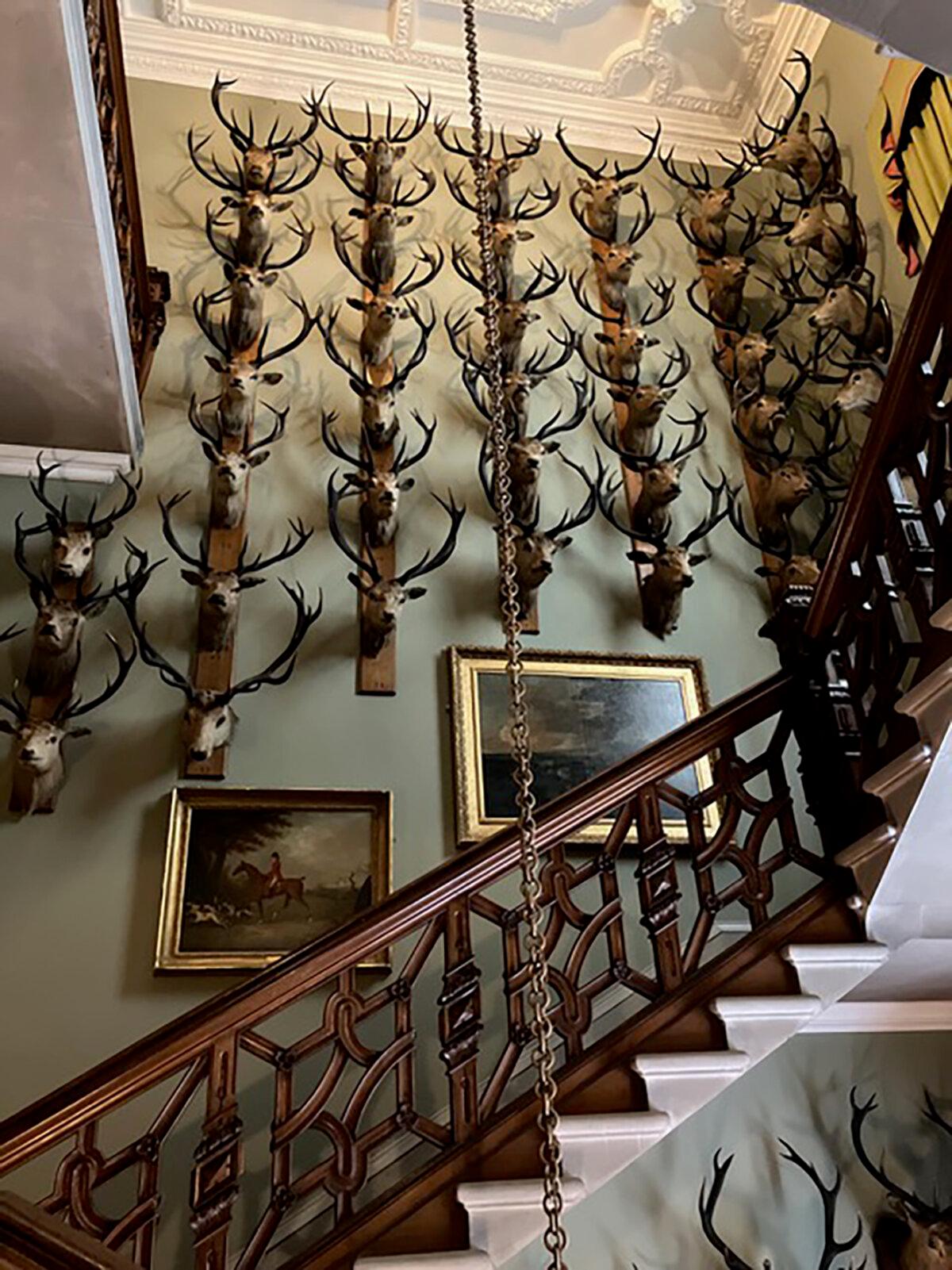
After our smooth libation, off we drove to the majestic Brodick Castle—the former ancestral home of the dukes of Hamilton and the only island country park in all of Britain. Considered a baronial masterpiece, it’s replete with historic art and artifacts and peppered with stories of scandalous intrigues, the dissolute life of one of the heirs a case in point. I must admit that the massive staircase sporting innumerable taxidermy mounts of antlered deer was a wee bit unsettling.
A groaning table in the kitchen was laden with realistic replicas of the abundance and variety of food the Duke and Duchess provided for their elaborate parties. Haggis, the traditional Scottish food, may have been part of their diet. Not mine, mind you. Somehow the thought of eating a pudding containing sheep’s heart, liver, and lungs encased in the animal’s stomach didn’t quite appeal to me. However, for a perfectly illogical reason, local fish and seafood did. So off we went to Mara Fish Bar and Deli in the village of Corrie. Basking in the sun on the deck facing the sea, we feasted on locally sourced hand-dived scallops, homemade fish tacos, and mounds of crisp French fries, and downed it all with the other national drink, the carbonated soft drink IRN-BRU.
As wonderful as all of this was, I must admit that Bellevue Farm stole my heart.
Specifically, Harry the calf, and, oh yes, Milly the goat and all five of the alpacas. Not that the rest of the farm’s 60 cows, 200 sheep, and 20 goats weren’t a joy, but bottle-feeding each one would have been impossible. So a girl has to choose. Harry, the russet-colored Highland cow, was irresistible. He sucked on that milk bottle for dear life, pulling me this way and that with every gulp.
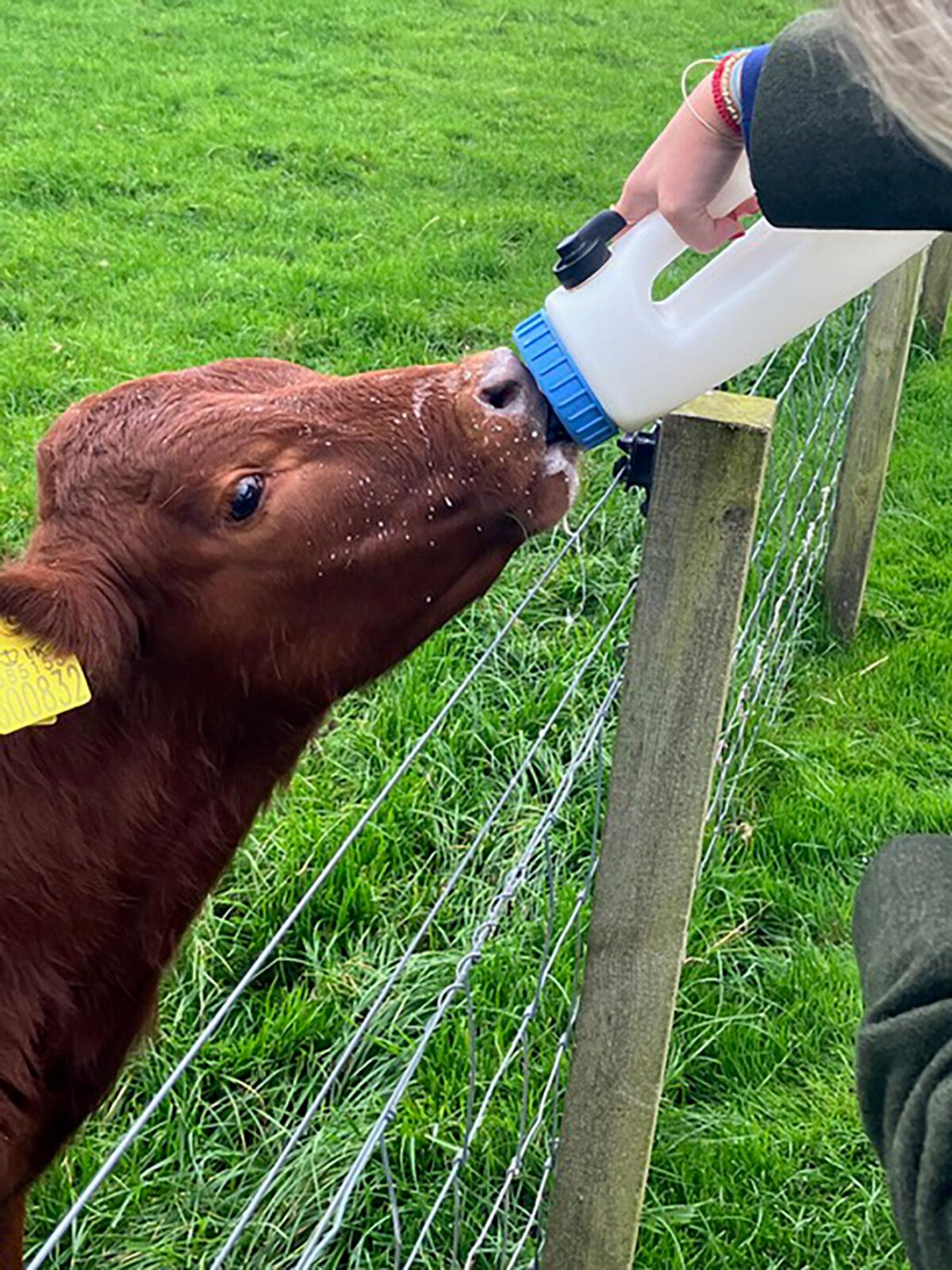
But that was exactly what Ailsa and Donald Currie hoped for. Their working farm is a magnet for animal lovers, sustainable farm practices, and literally farm-to-table fare. We humans also were well fed with a hearty meal prepared by Ailsa from the Bellevue community garden.
The cooperative spirit of the islanders was evident when Katie Murchie arrived to greet us. Her family has the only dairy farm on the island, Tigheanfroach, and the Arran Ice Cream they produce is a dream—a fine finish to our lunch.
Bellevue sells its barley to the island’s distilleries. Cooperation and congeniality are keys to a community that knows well how to flourish in partnership.
And at the end of each day, how appealing it was to return to the welcoming and comfortable Douglas Hotel overlooking Brodick Bay. From hearty Scottish breakfasts promoting the island’s cottage producers like Wooley’s oatcakes to the dinner menu featuring Arran and Ayreshire lamb, beef, and venison. And yes, Arran Ice Cream.
In Search of Textiles
Now, Scotland has almost 6 million people, 7 million sheep, and 5,000 goats. Where, you may ask, is this narrative thread leading?Well, as an amateur crafter of textiles, my west-to-east-coast Scotland journey was, in part, in pursuit of the wool and cashmere fabrics for which Scotland is world renowned.
Next stop, the village of New Lanark, in South Lanarkshire. It’s a totally charming 18th-century textile mill town on the shore of the Falls of Clyde with a population of 200. Under the guidance of Robert Owen, New Lanark became a model for industrial communities in the 19th and 20th centuries. In 2001 it was anointed one of 6 UNESCO World Heritage Sites in Scotland. Tourists from around the world flock to explore its National Nature Reserve, stay in the lovely New Lanark Mill hotel, and learn about its history at the Visitor Center, including a well-stocked shop selling woolen products made on-site.
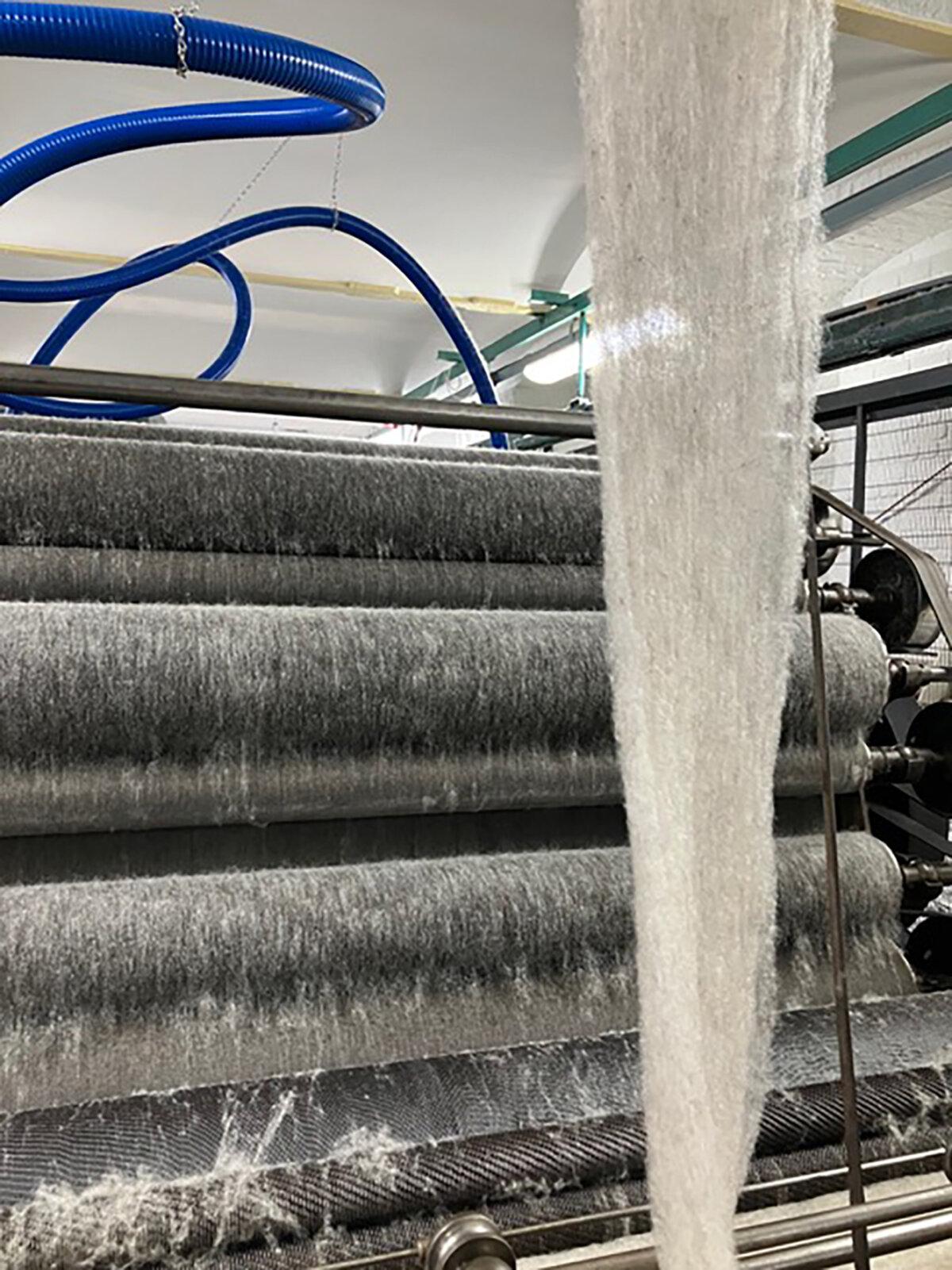
The last was the main draw for me. Iain Dickie, the lone textile operator, dazzled me on a private tour of the entire process, starting with harvesting the sheep’s wool, then washing, spinning, and dyeing it as he orchestrated a dizzying number of machines. The end product—skeins—are the foundational threads used in all woolen products. It takes a full month to make a 100-gram skein of wool!
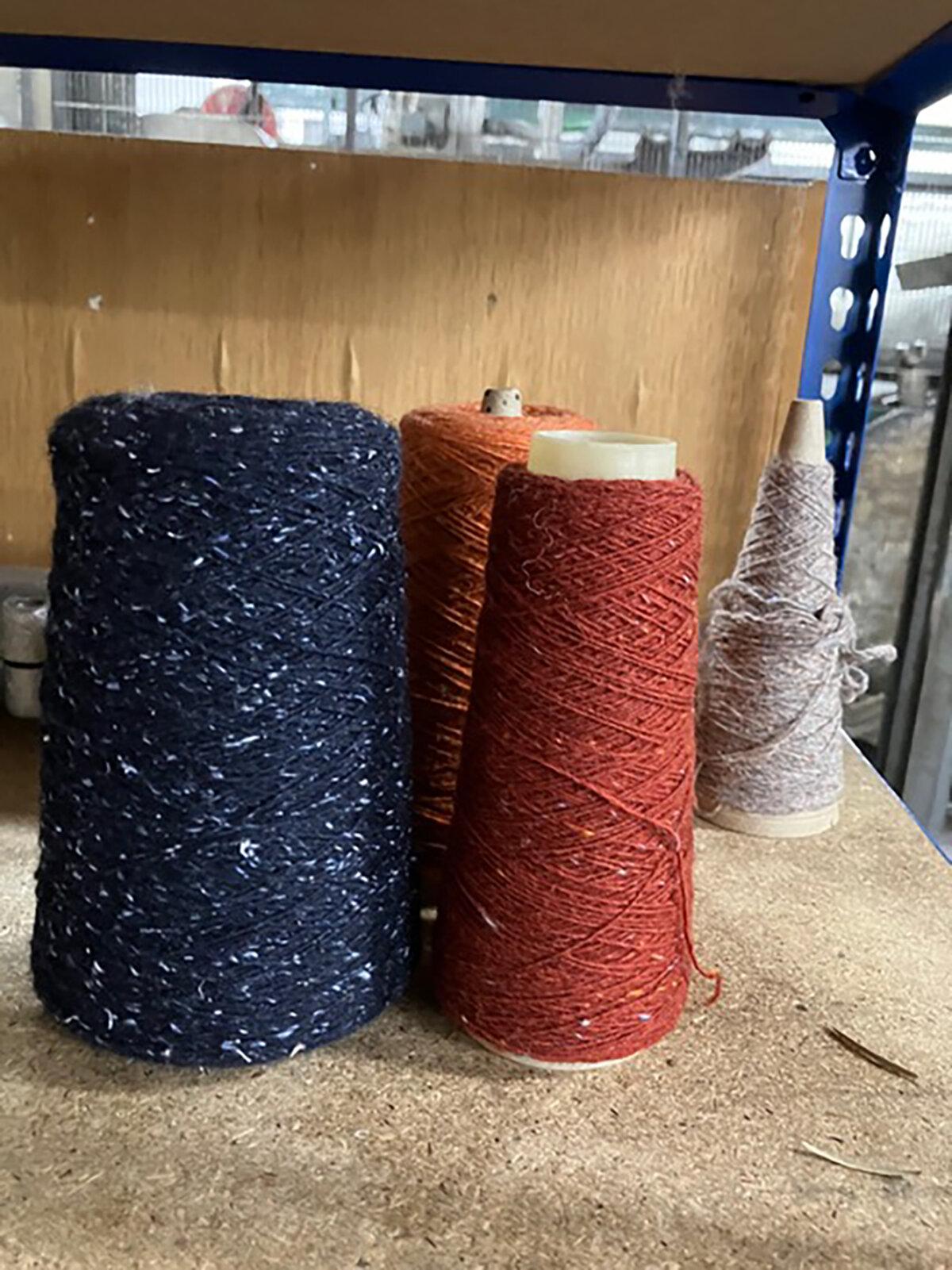
Iain, a rather modest man, revealed with some pride that he fashioned two wools for the Harry Potter films.
After a scenic train ride across the soft green countryside dotted with sheep, I arrived at Lunan Bay Farm in Angus on the North Sea to spend a day with 150 cashmere goats. Farmers Jillian and Neil McEwan are the guardians of the largest remaining farmed herd of cashmere in the United Kingdom and the only farm of its kind in all of Scotland. The setting is, in a word, spectacular. Their acreage spreads out along the vast sandy beach with an 11th-century castle perched on a nearby hill.
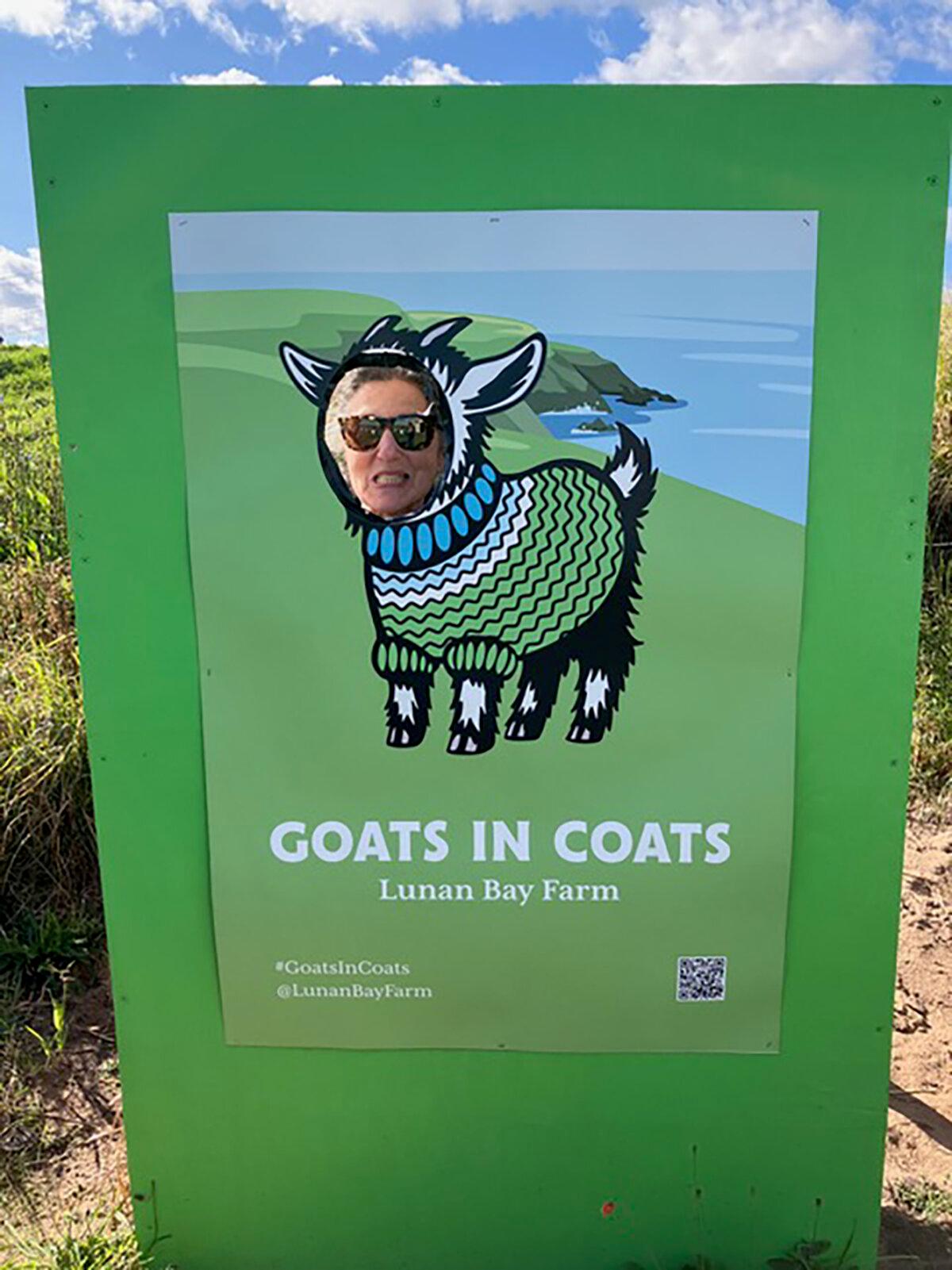
The sun was shining, and the goats were bleating. Unlike the more passive sheep, goats are more animated and hierarchical. Feeding a few seemed like a bit of a wrestling match, as the alpha goat was butting its head against any other who tried to, yes, butt in. But they all loved a bit of cuddling. Cashmere fiber is the soft down under the thicker outer layer. One goat will yield only 75 grams of pure spinnable cashmere per year!
Giving to the community at large, Jillian and Neil work with schools and colleges, offering a Goatgetters project, an outreach farm education, with their goats. And every Easter the popular Goats in Coats Festival features the baby cashmere goats in hand-knitted jumpers. (2026 dates are April 11, 12, 18, and 19.) Get your tickets fast, as it always sells out quickly! But if you can’t go, then Jillian and Neil open their farm to guests throughout the year, and not only will Jillian’s homemade lunch be served, but their small cashmere shop offers the best-quality cashmere items on the market. I must admit, for a brief moment I considered staying there and becoming a goat whisperer ... the day was that divine.
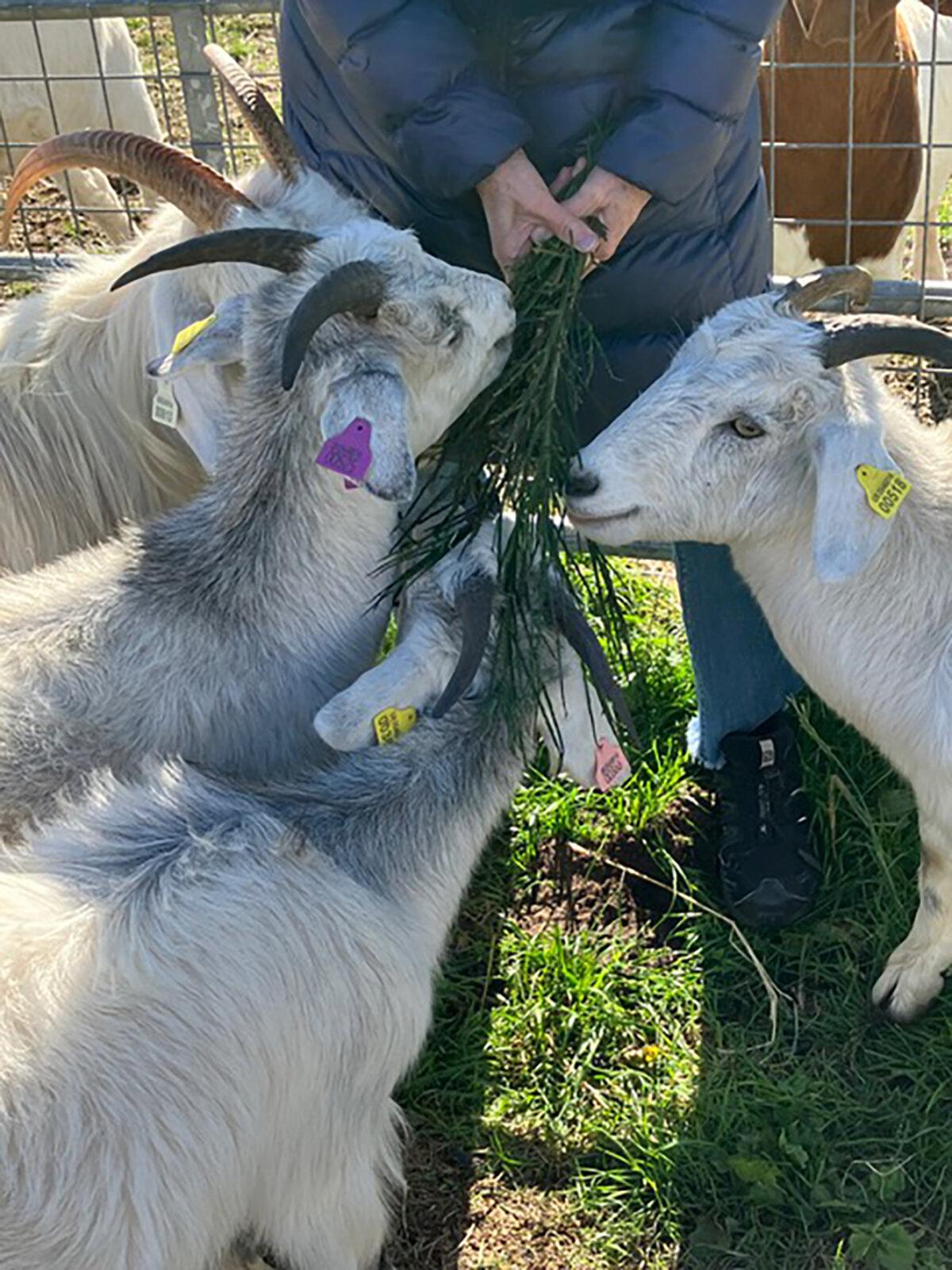
Threads of sheep wool and cashmere invariably find their way into the iconic tartans of Scotland. At last count, the official number of registered tartans rang in at 10,000.
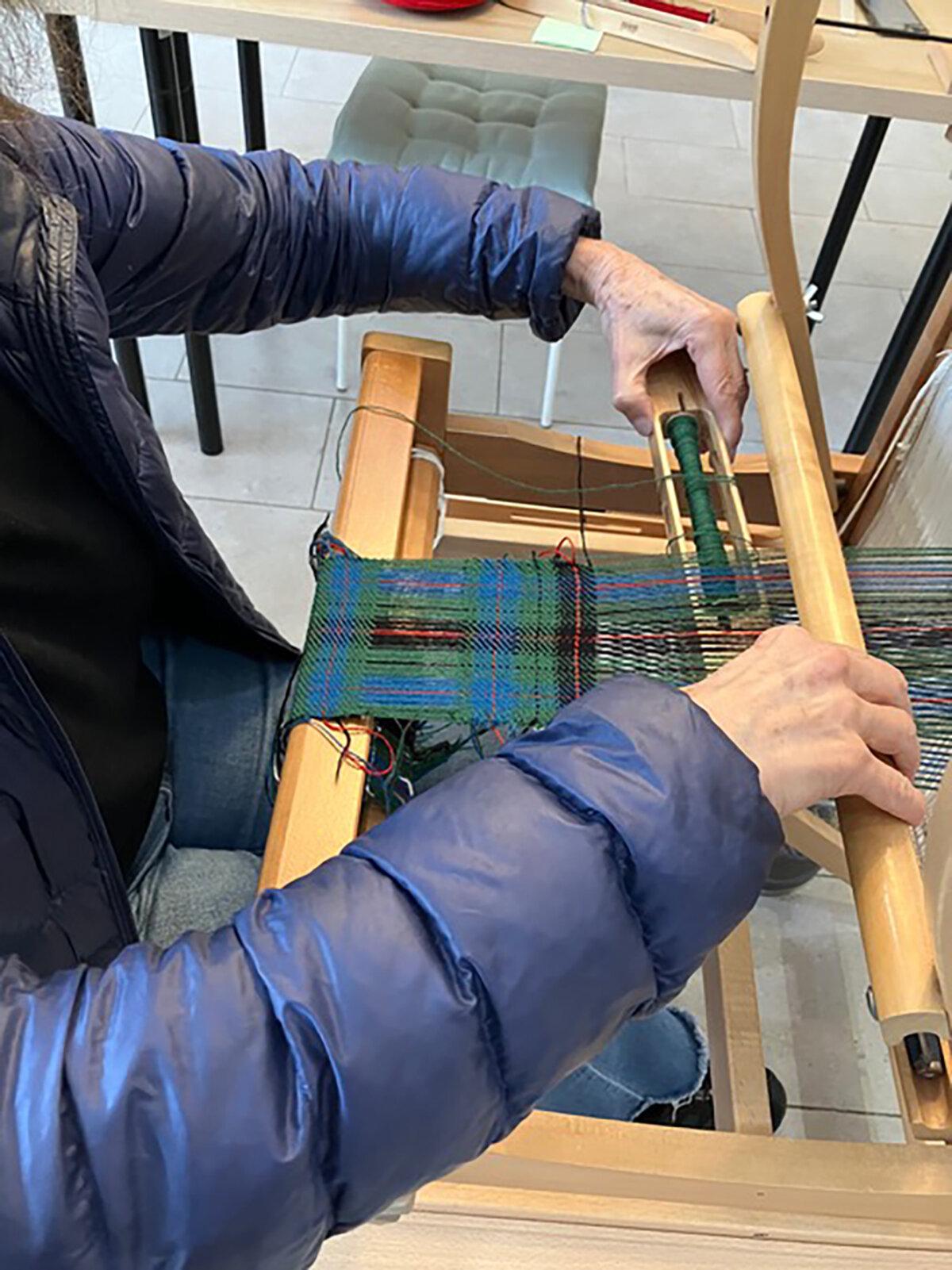
At Radical Weavers in the city of Stirling, I discovered that the Davidson tartan was one of them. In a three-hour workshop, Peter, the 25-year-old master weaver, had me, the novice, pressing levers and throwing the shuttle back and forth to thread the blue, black, green, and red fibers into an actual square of tartan. What a thrill!
Evidence of Scottish textiles was liberally scattered throughout Cromlix, the luxury Victorian mansion and estate in the secluded Stirlingshire countryside near Dunblane. The owners, Kim and Sir Andy Murray (Scotland’s champion tennis player), have created an oasis of comfort, quiet, and beauty, as well as achieving a rare two-key Michelin rating. My dinner served in the airy glasshouse was, without exaggeration, one of the best of my well-traveled life. The halibut was perfection itself. The service, superb.
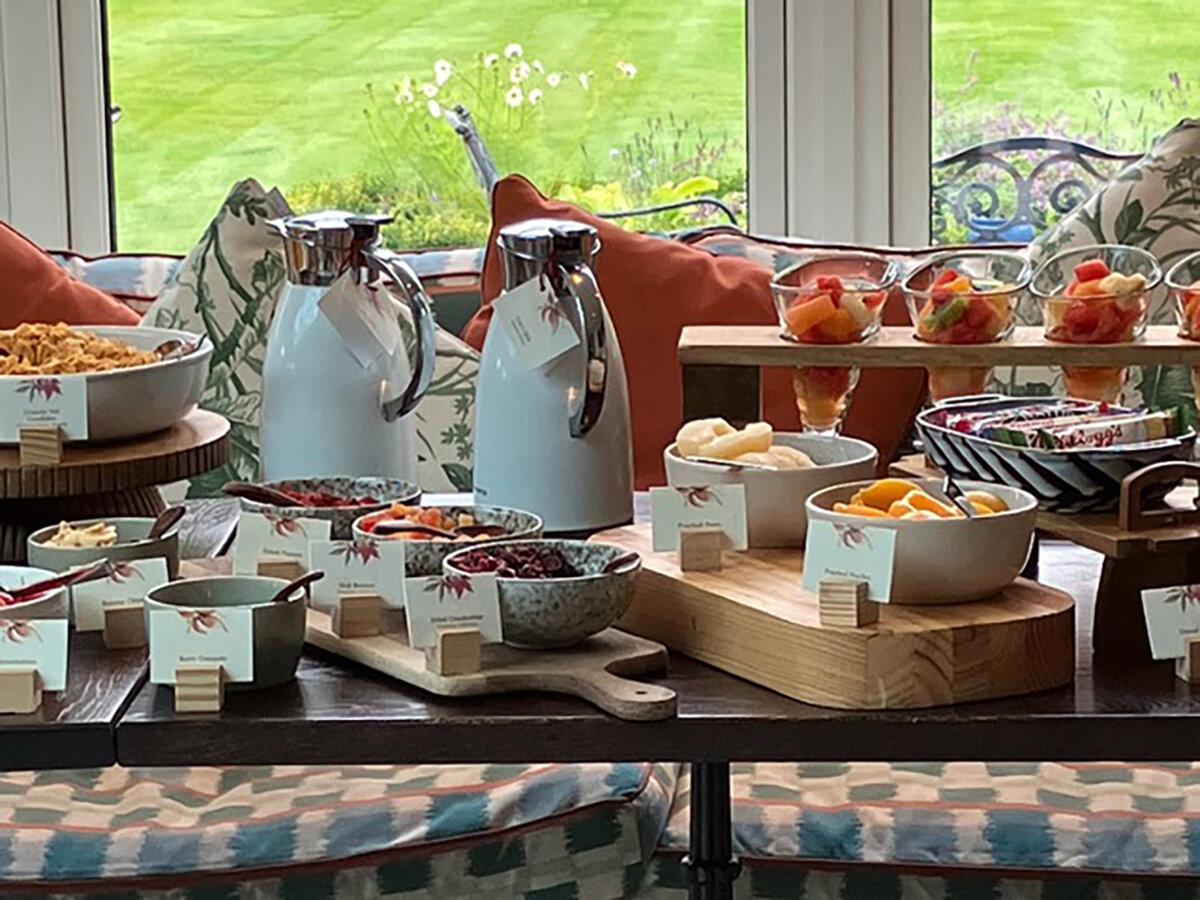
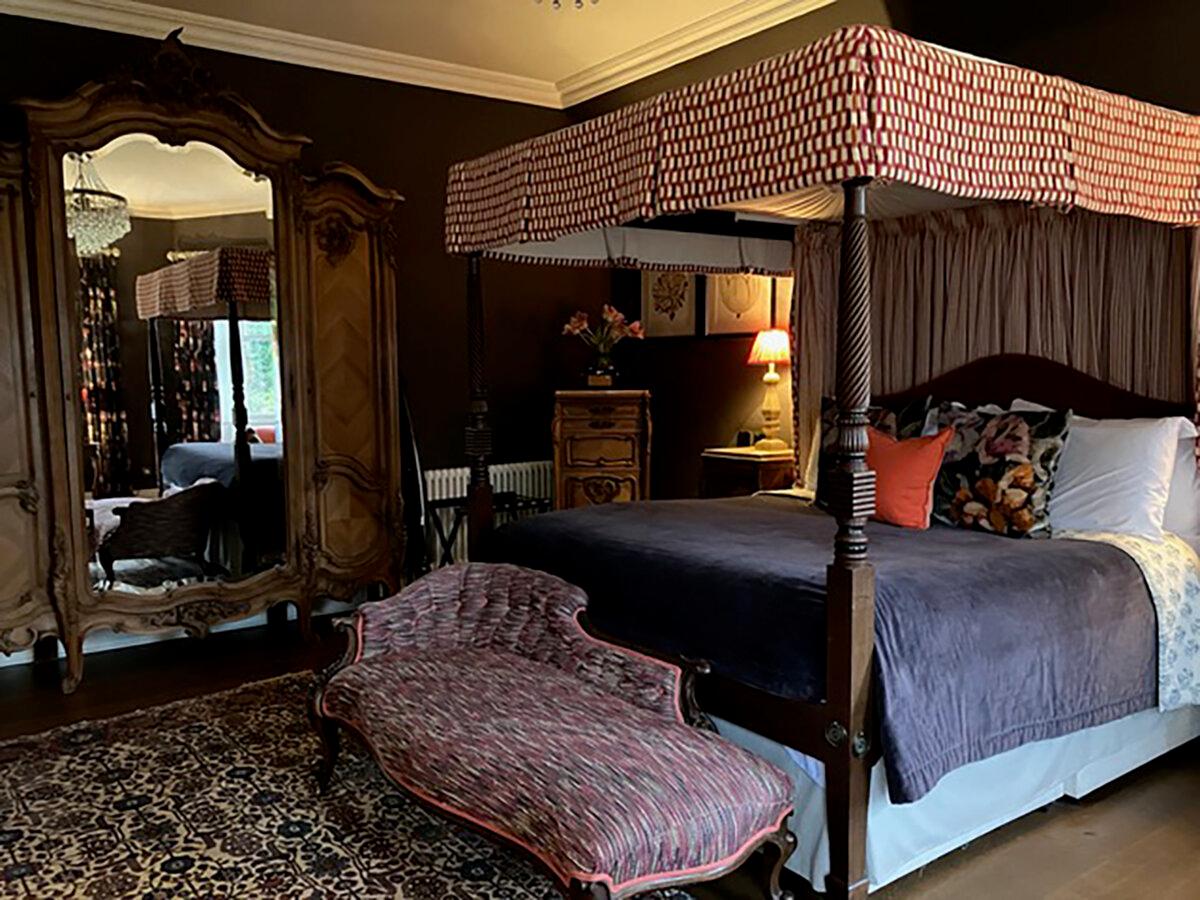
I slept well in a canopied four-poster bed in a suite that rivaled those of “Downtown Abbey” fame. Cromlix capped an extraordinary time in a country I have for a long time longed to visit.
How does Scotland compare to my beloved Cape Breton? Admirably!