Is dog sunscreen available? Can dogs get skin cancer from too much sun?
You can shield Rosie by dressing her in ultraviolet-protective pet clothing and applying sunscreen. Choose a fragrance-free sunscreen that protects from UVA and UVB rays, preferably one formulated for dogs.
It’s important to avoid excessive sun exposure because of the problems it causes, from a painful sunburn to skin cancer.
Like humans, dogs exposed to the sun can develop actinic keratosis, a firm, thickened, crusty skin lesion that may progress to skin cancer.
The most common sun-related skin cancer in pets is squamous cell carcinoma.
Chronic exposure to sunlight can also cause hemangioma or hemangiosarcoma of the skin. “Hem-” refers to blood, “-angio-” to vessels, and “-oma” to a mass. So a hemangioma is a benign tumor of blood vessels, while a hemangiosarcoma is the malignant version.
A hemangioma appears as a small, flat, red or purple discoloration of the skin. It may grow into a large nodule that ulcerates and bleeds, and it may progress to a malignant hemangiosarcoma. Usually, you'll see multiple tumors.
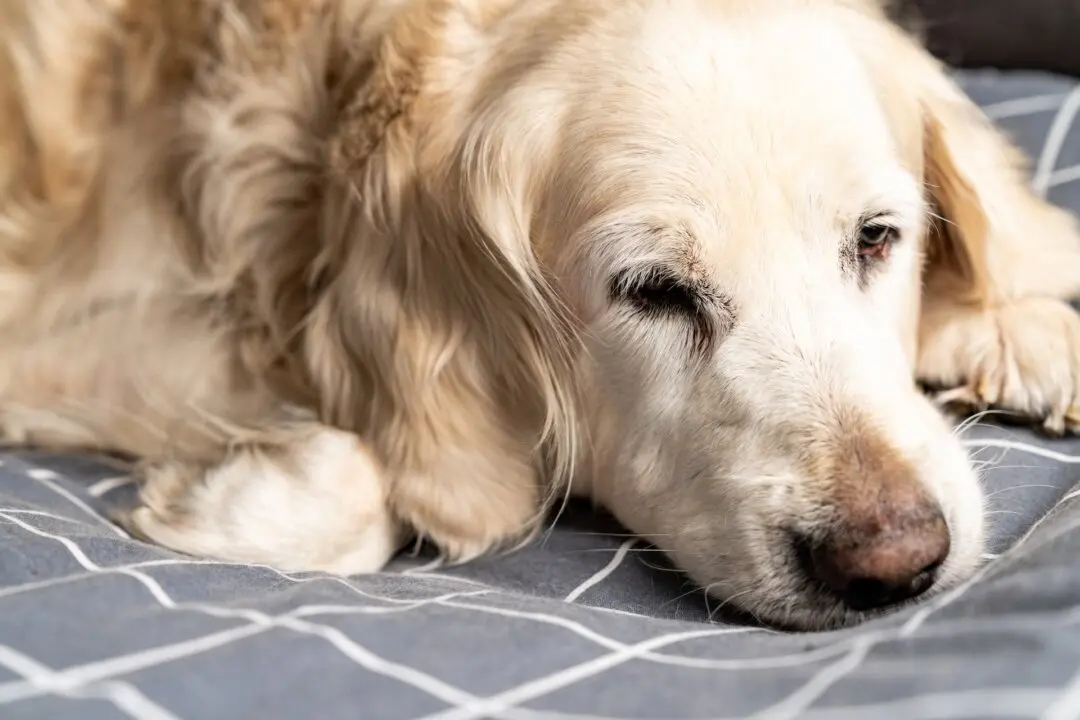
Rosie is at increased risk of sunburn and UV-induced skin cancer because her hair is short and her pale skin contains little protective pigment. You are wise to safeguard her from the harmful effects of the sun.
Supplements that contain probiotics, the good bacteria that work in the intestines, deteriorate when subjected to excessive heat or humidity.
Water-soluble vitamins, including the B vitamins and vitamin C, are also very sensitive to heat and humidity. High humidity can cause vitamin C to lose its potency within a week.
The omega-3 fatty acids in fish oil become rancid when exposed to heat.
SAMe and creatine can be broken down by moisture, particularly if the packaging doesn’t protect them well.
Minerals and glucosamine-chondroitin products are fairly stable in the heat.
If you receive a supplement that is discolored or a bottle of pills or powder that contains drops of liquid, the supplement was probably damaged by heat or humidity. Also, degraded B vitamins emit a sulfur odor, and damaged vitamin D has a fishy scent.
I suggest you buy your pets’ supplements from your veterinarian, at least during the summer. Don’t leave them in your car while you run errands, because the car’s interior heats up quickly. Likewise, don’t leave dry pet food in a hot car because the heat can make the oils in the kibble rancid.