I have a theory that most of us would be more than willing to let go of the stuff that’s cluttering our homes if we knew these things would serve a worthwhile cause or help someone else. And I know too well the conflict.
It’s nearly impossible for me to let go of things that are not worn out or broken—clothing or household items that are still lovely with considerable useful life. The solution I’ve discovered that allows me to let go with a lot of joy and relief is to make sure these items are re-homed to a place they will be appreciated and put back into useful service.
Here are those worthwhile causes for your seven biggest clutter problems:
No. 1: Vases, baskets, containers, and anything else that held flowers you have received. If they’re cracked or broken, no one wants them. For the rest, take those in like-new condition to the closest flower shop to be recycled.
No. 2: Excess dishes. If you do not use them at least once each year, sell them to an antiques dealer, or give them to a local thrift shop or the church’s annual rummage sale. Dishes are highly desirable in resell shops. Provided you are donating to a tax-exempt charitable organization, you may receive a tax-deductible receipt for the market value of those items.
No. 3: Pots and pans. Offer them to family members, take them to the thrift shop or see if your church kitchen or camp could use some decent cookware. College students setting up their first apartment or dorm room are likely to jump at the chance to take them off your hands.

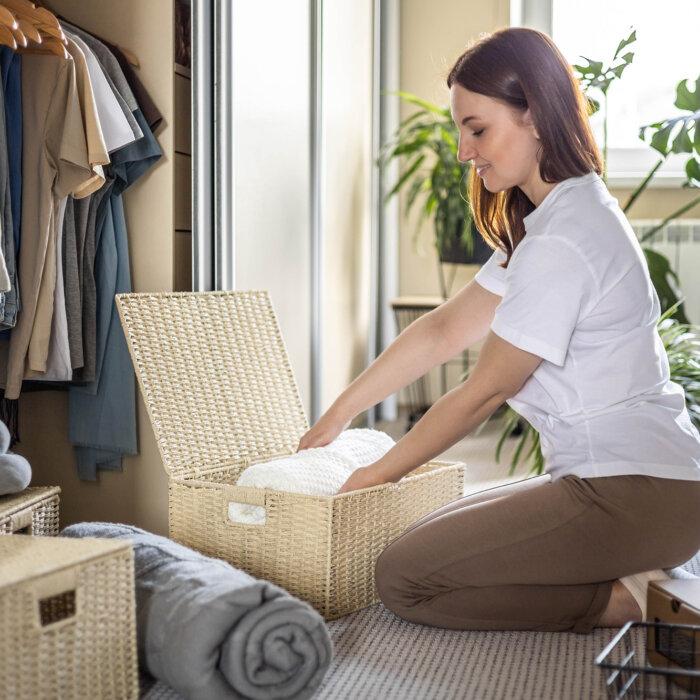
No. 4: Clothing. Can’t bring yourself to dump your good clothes into a parking lot collection bin? Find an organization with specific needs. Crisis pregnancy homes, battered women’s shelters and drug rehab centers are just a few of the places that will be so grateful to get gently used clothing that their clients can wear to job interviews. Beyond gently worn, stained, missing buttons, broken zippers? Toss them. Now.
Because clutter and organization is a huge problem for many of us, here are more tips to help with the mess:
Assign a “home” for everything you own, and then put things away when you are finished using them. If something doesn’t have a home, perhaps it’s time to rethink that item.
If you are having trouble parting with something and you want to save the memory of the item, consider taking a photo of it for future reference. Organize your kitchen pantry. Group like items together so you‘ll know what you have and what needs to go on the grocery list. You’ll be amazed what’s lurking on your shelves.
Go through your medicine cabinets twice a year (January and June) and throw away expired medications. Make a list of items you need to replace.