Shaping a Sculptor
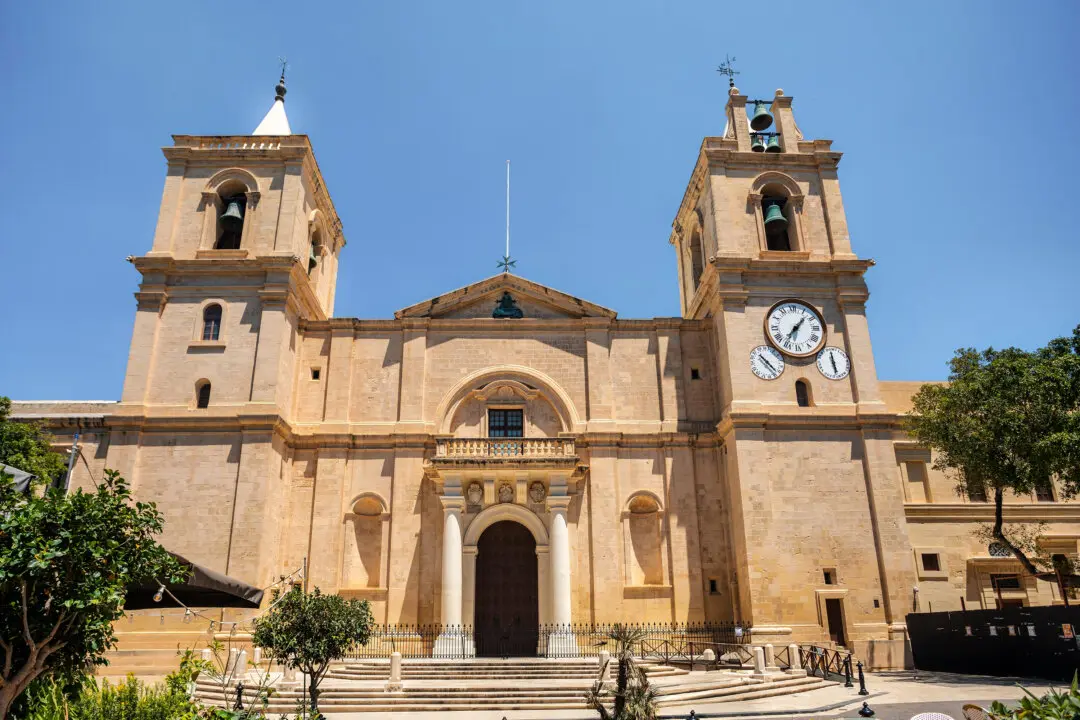
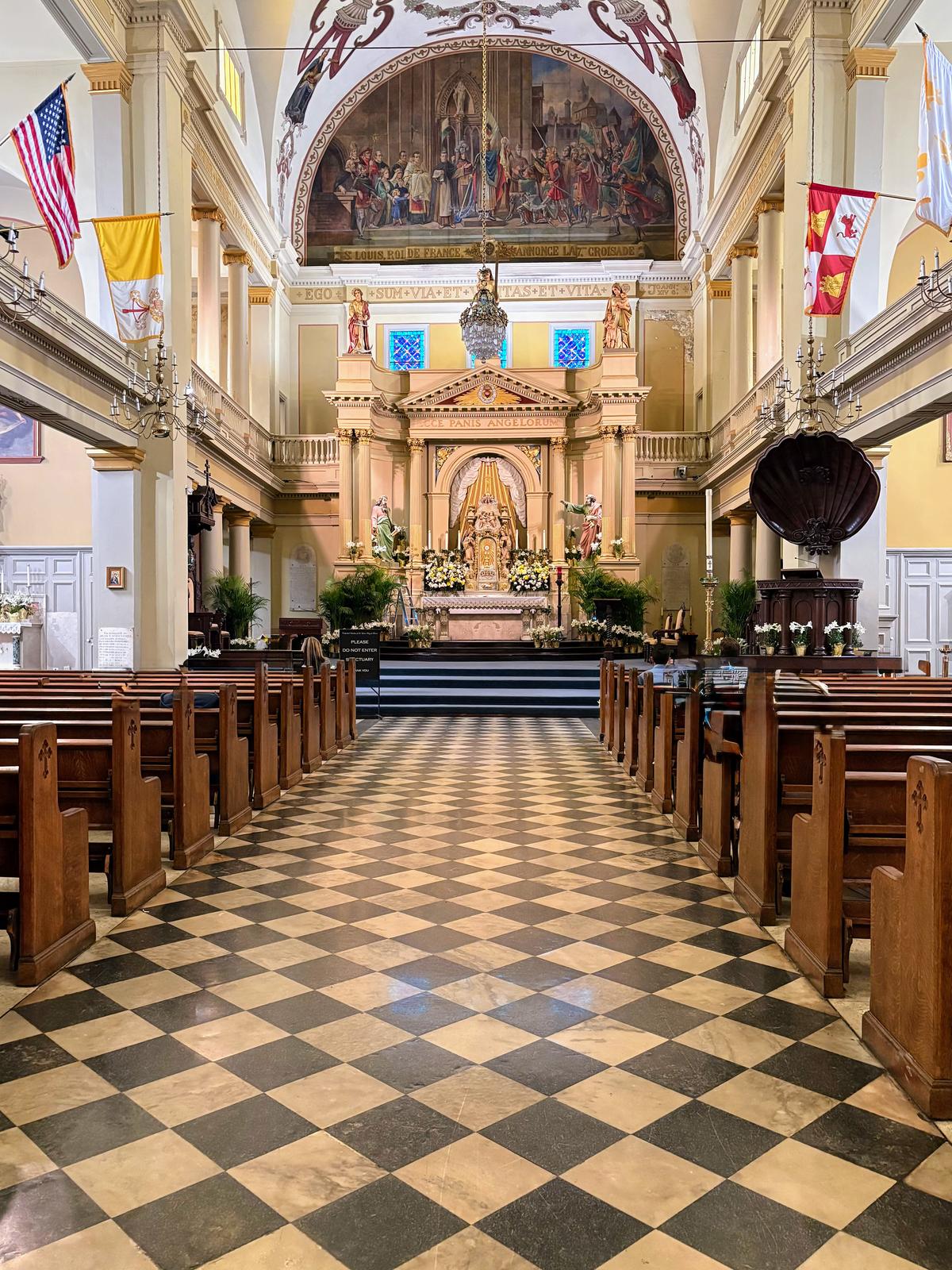
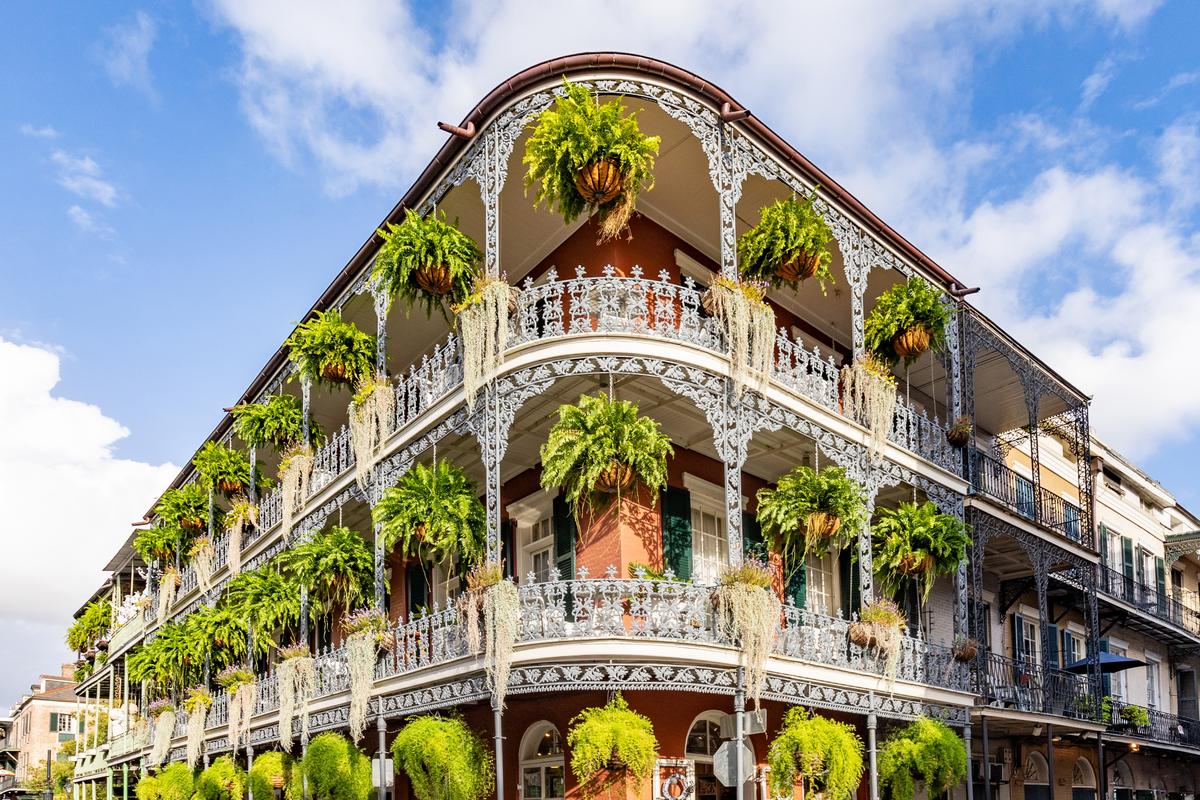
Warburg was born around 1825 in New Orleans, under complex circumstances. His father, a Jewish immigrant from Hamburg, Germany, held his mother, Marie Rose Blondeau, a biracial woman from Santiago, Cuba, in enslavement. He granted her freedom following Warburg’s birth and freed his son when he was 4.Warburg grew up amid the tensions of a world where freedom and bondage coexisted uneasily, but his talent allowed him to find a way. Warburg apprenticed as a marble cutter, learning precision, measurement, and the physical demands of carving stone. One of his projects was the striking black-and-white marble flooring of St. Louis Cathedral, where Warburg combined practical stonecutting with refined aesthetics.
By the late 1840s, he opened his own studio in the French Quarter where he took on a range of commissions that established him as a versatile neoclassical sculptor.
A Brilliant Career Interrupted
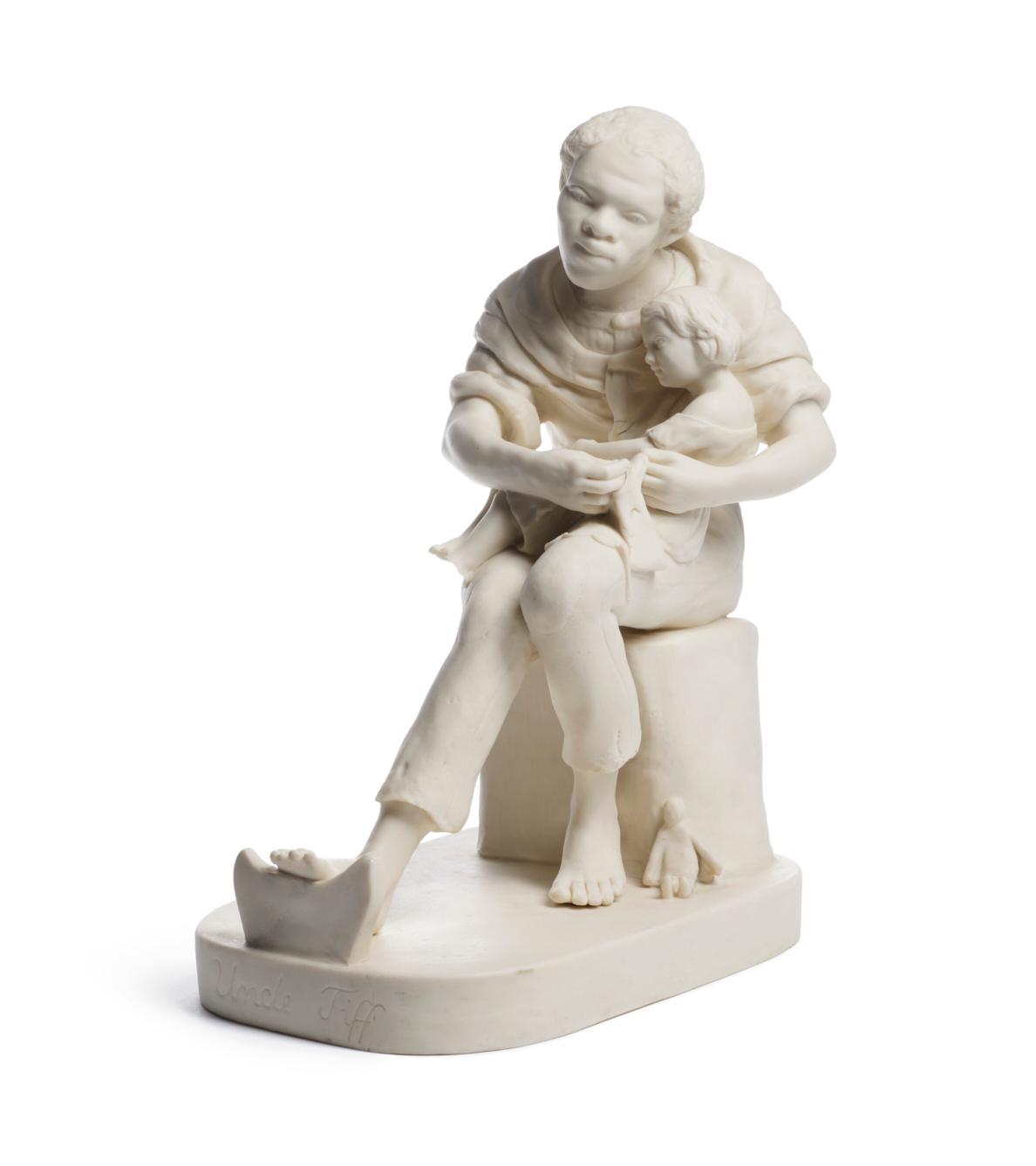
In 1852, Warburg left New Orleans for Europe, moving through Paris, Belgium, and England. There, he expanded his materials and techniques, developing skill in parian porcelain, a delicate unglazed medium made to replicate marble on a smaller, more accessible scale. One of his most remarkable surviving works from this period is the parian figure “Uncle Tiff,” produced with the English manufacturer W.T. Copeland.Depicting a black man cradling a white child, drawn from Harriet Beecher Stowe’s abolitionist novel “Dred,” the sculpture demonstrates Warburg’s technical versatility and his engagement with socially relevant themes.
Europe offered Warburg both opportunity and uncertainty. He moved in circles with American and British patrons, gaining support from abolitionists like Stowe and the Duchess of Sutherland. Commissions such as a series of nuanced bas-reliefs inspired by “Uncle Tom’s Cabin” allowed him to fuse classical technique with moral purpose. Yet many of these works—perhaps vivid in their original presence—have vanished, leaving only tantalizing mentions in letters, catalogs, or exhibition notices, as if scattered clues to a career interrupted.
Warburg eventually settled in Rome with his wife, Louise Ernestine, near the Spanish Steps. In Rome he found a community of American artists and, for a time, something like stability—but it didn’t last. In 1859, he fell ill and died, not yet 34 years old. When word finally reached New Orleans, the local newspaper, l'Abeille, marked his passing with an obituary:
“Death has just stricken Louisiana in one of her children who promised fair to shed lustre on his native land. … [Warburg] had already shown a remarkable talent which gave hope for a fine future. Death, in striking him at the beginning of a career which opened so brilliantly before the young artist, did not leave him time to complete his work. … Eugène Warburg would incontestably have taken an eminent place. … It is a loss for America; a cause of mourning for New Orleans; an emptiness in the arts.”
The Mystery of What Remains
For a man of his talents, it’s remarkable how little of Warburg’s work survives. Even during his lifetime, his output was intentionally modest. He preferred carefully considered pieces over prolific production. One reason is likely that many were executed in fragile materials like plaster or parian, meant as preparatory studies or intimate figures rather than permanent monuments. Political upheaval in Europe, particularly in Germany, only deepened the vulnerability of what he left behind.Warburg’s works may have also been overlooked, misattributed, or absorbed into private collections without record—their origins obscured, their maker forgotten. What remains feels less like a body of work than a set of clues, each piece hinting at a larger story that may never be fully told.