For over 250 years, an iconic American institution has acted as an unofficial national historian—by making paper.
When Colonial entrepreneur Stephen Crane launched his papermaking business with the purchase of the Liberty Paper Mill in 1770 near Boston, Crane unintentionally ingrained himself into the very life and heart of American history.
Storied Heritage
Crane had a penchant for excellent handicraft, which he passed on to his son Zenas Crane. In 1801, Zenas founded Crane & Co., the basis for today’s fine stationery company. He passed the torch to his sons Zenas Marshall Crane and James Brewer Crane, who continued producing security and banknote papers along with stationery and engraved paper products. After splitting from the currency-making part of the company, Crane & Co., in 2015, Crane Stationery continues the heritage of hand-engraved stationery that started with its founders.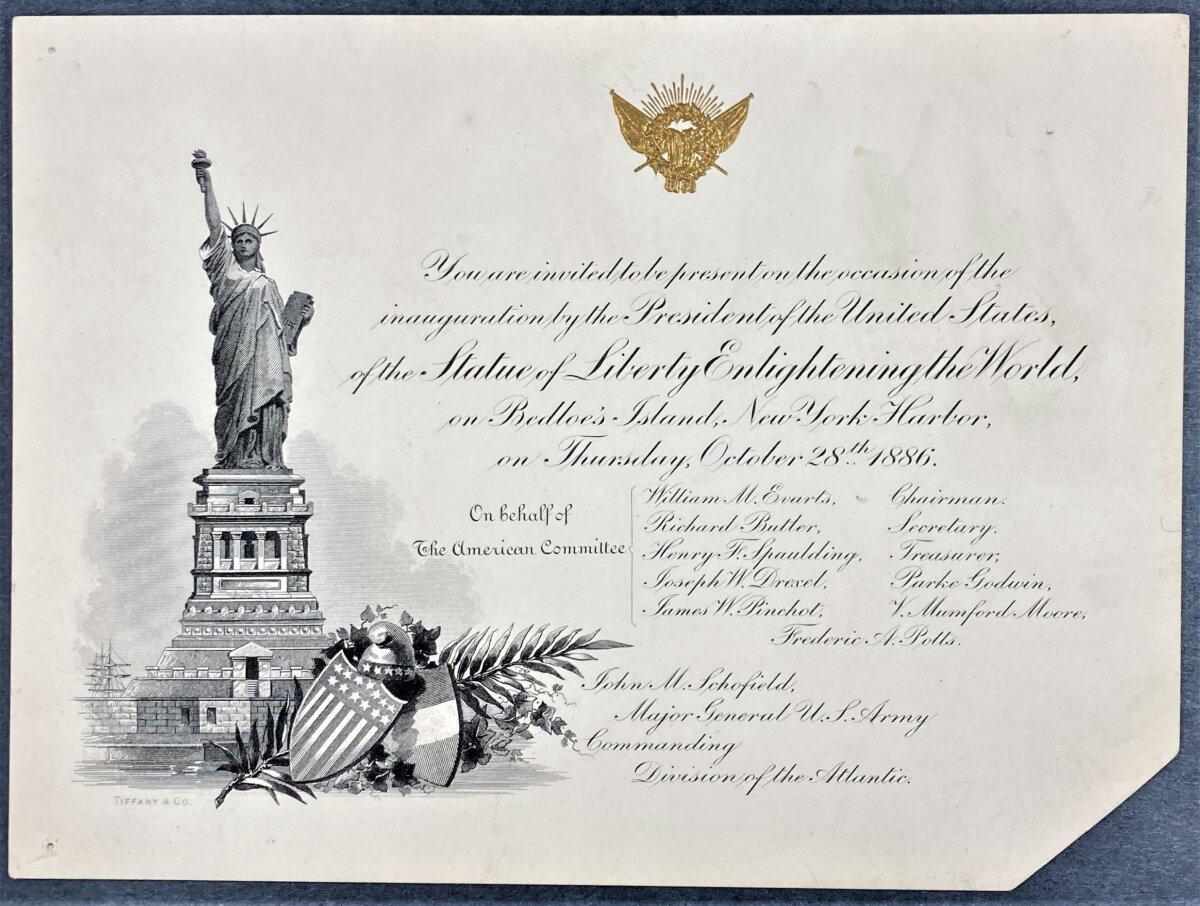
Crane Stationery CEO Robert Buhler wants to honor the craft that has been a part of American values, institutions, and culture. “Every important thing in America has been done on Crane stationery,” Buhler said. “We are part of the very fabric of American history.”
Craftsmanship
The traditional print-making process endures to this day. Though difficult and labor intensive, the company has employed the same method since 1770, passed down from generation to generation. It’s this precision mastery of the art of engraving that gives ordinary individuals, dignitaries, royalty, and A-list celebrities a way to personally communicate important thoughts and messages on paper.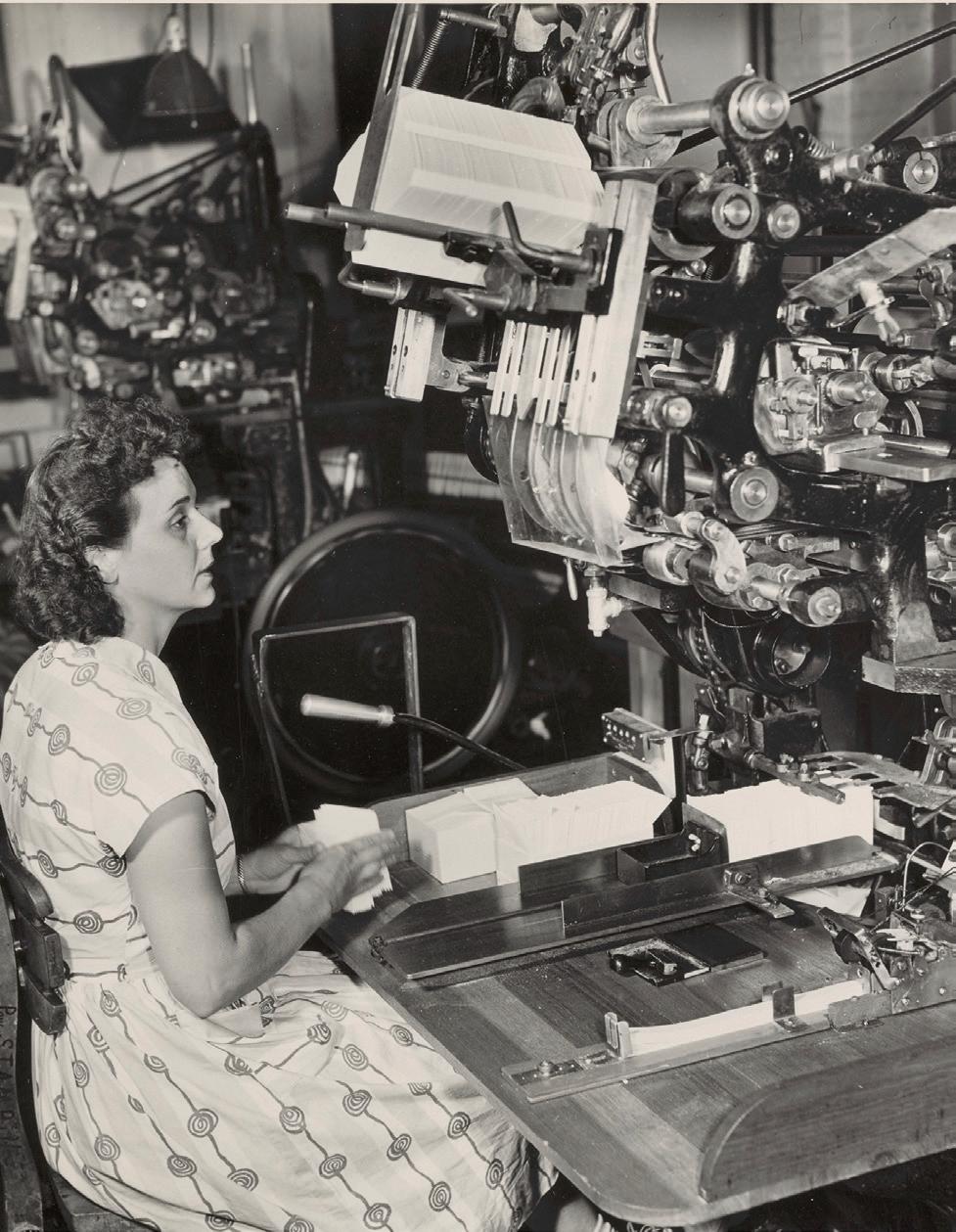
The engraving process is completely mechanical. The company uses 100 percent cotton paper sourced in America, though no longer made by the Crane company itself. The paper products are imprinted with a design that is hand-carved onto copper plates. With the force of 10,000 pounds of pressure, the design gets pressed from the plate onto the paper. The carvings in the metal hold the ink and apply the color attributes to the overall finished product. The designs can be simple or intricate, depending upon the customer’s order or the occasion (the company produces a variety of designs for holidays, weddings, thank you cards, sympathy cards, and more).
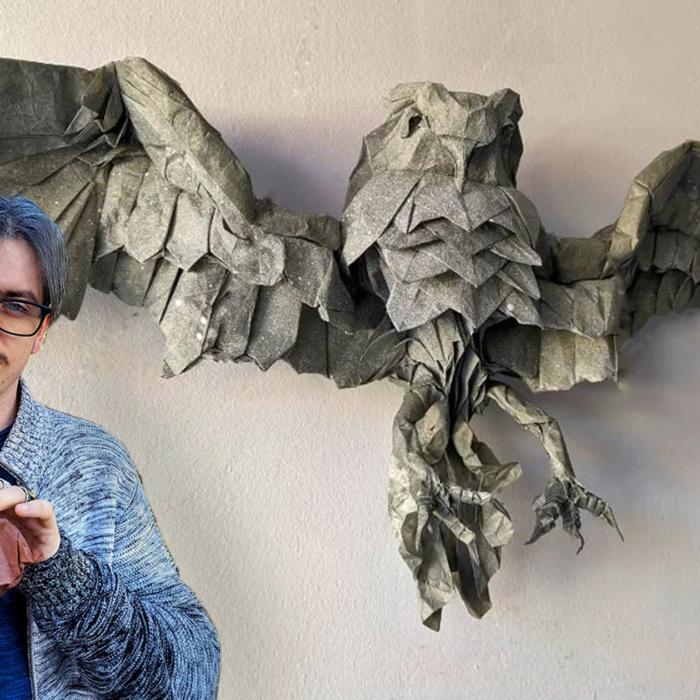
Few people in the world know how to craft high quality engraved paper. Master engravers dedicate their lives to this art. Apprentices who are serious about learning the craft typically take at least a year to master a single color in the engraving process. For additional colors, it requires additional years.
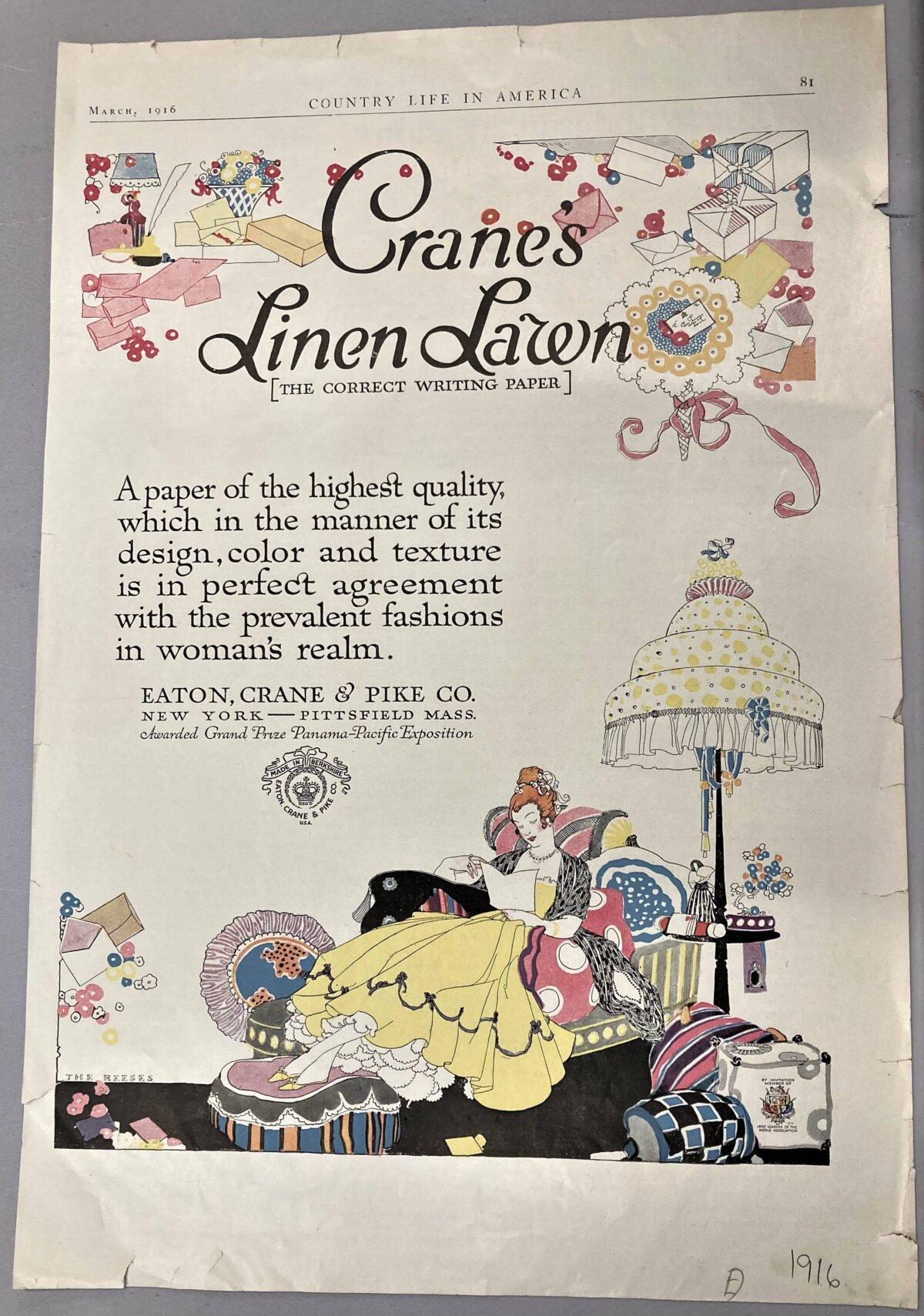
Crane’s stationery is in rare company. “Our clients demand excellence. You have to be perfect every single day. For those with discerning tastes, we produce premium stationery the traditional way because it is the only way to make it for kings, queens, and presidents,” Buhler said. What’s premium stationery used for? Think White House presidential stationery and holiday cards. Or, making formal invitations for dignitaries to attend the official inauguration for the Statue of Liberty in October 1886, or the Golden Gate Bridge opening in May 1937. Crane also created personalized sympathy cards for Jacqueline Kennedy after John F. Kennedy Jr. was assassinated in November 1963.
Over the course of Crane Stationery’s history, many of America’s important milestones have been captured for posterity. For everyday Americans, too, Buhler believes that the memorable moments in life are best preserved through paper. It’s been tried-and-treasured to express sincerity and authenticity through handwritten messages. “Expressing true emotions is best with a handwritten note,” he said, for they are the ones that are saved, cherished, and remembered.