In my 20s, I was a nanny in Switzerland, wrote a book in Spain, and backpacked the globe. My husband, Benjamin, was raised in Spain, studied music in Germany, and fell in love with a restless American Swiss girl in California. That’s me.
“Citizens of the world,” we call ourselves, with bloodlines from Africa to Greece. While we might be rooted in San Diego, our limbs have clawed toward a brighter sun—the type that leaves mental tan lines as seasons change.
And so, on our recent escapade we chose France, a country we’ve visited more than a dozen times, but always to the usual suspects. Now, nearing our 50s, we are plummeting through a midlife crisis. With 12 days on the calendar and restlessness on our hands, we dropped a pin where we could surf, hike, and raise a glass to French cheese, Spanish tapas, and everything in between.
Enter the French Basque Country, cradled between the Pyrenees and the Atlantic, and a fútbol kick from Spain. We knew nothing about the area other than it sounded curated by us.
Our plan was to fly into Barcelona, road-trip through southwestern France, and fly out of Paris. As usual, we started sleep deprived, stressing our way toward relaxation. We were ready for change, craving a remodulation of life in the mist of redundancy. This trip meant more than a vacation.
It meant hope.
As a beacon of limitless potential, it illuminated where retirement might lead. For now, that was Avis at the Barcelona airport. In Spain, Benjamin felt right at home, other than the fact we were renting an electric car with more screens than an American sports bar. In the United States, the car would be “compact,” but in Barcelona we were driving an SUV.
Lanes were narrow, traffic was thick, and drivers were bold. Siri spoke Spanish through the car and English through our phones, and we couldn’t understand either because we were screaming at her. I bit my knuckles, wrung my shirt, and braked the floor of the passenger side.
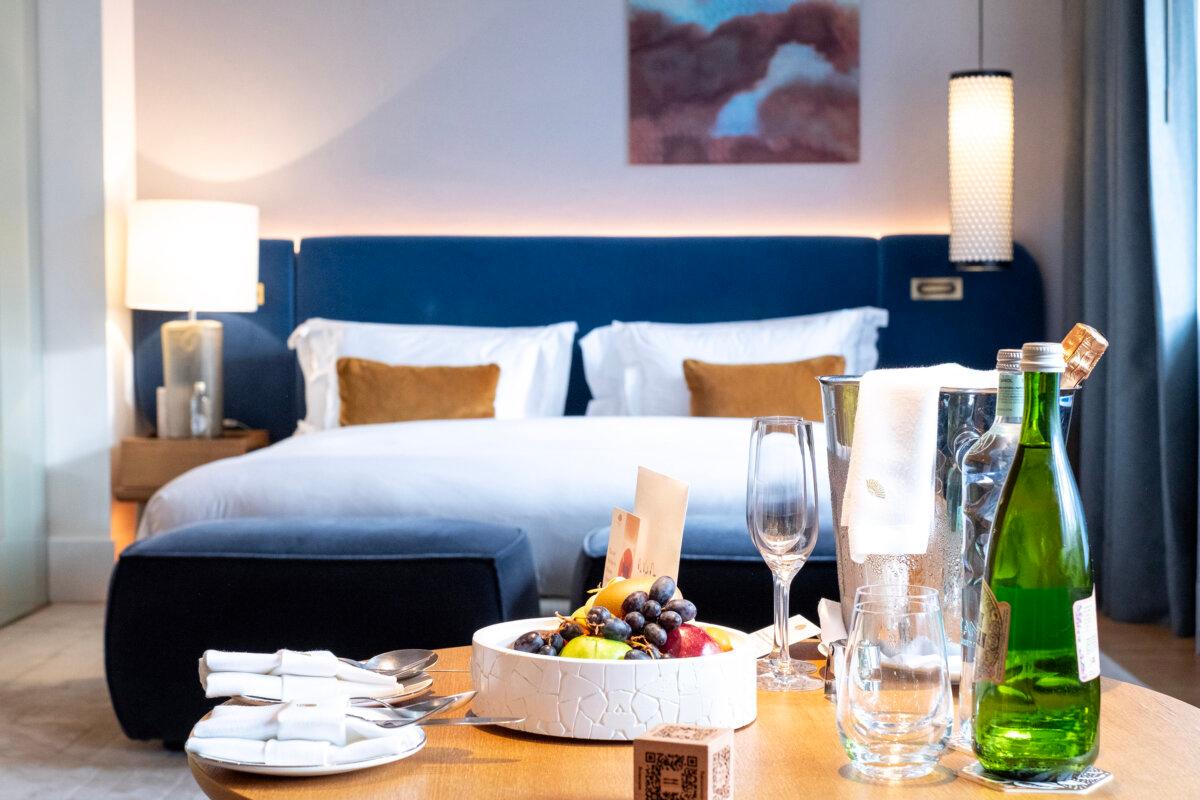
Pulling into Mandarin Oriental Barcelona, we needed a drink, and the hotel delivered with a bottle of champagne in our room. Behind the design was Patricia Urquiola, splashing contemporary touches that spilled onto the rooftop garden, spa, and restaurant by seven-Michelin-star chef Carme Ruscalleda.
After a drink, steam, and swim, we hit the town unsure of our destination. Two days were set aside to acclimate, but little did we know Barcelona would be a culinary awakening. Our hotel was smack in the middle of Quadrat d'Or, gleaming with modernism architecture by Antoni Gaudí, Lluís Domènech i Montaner, and Josep Puig i Cadafalch.
It felt good to explore, and more so when we stumbled onto Rambla de Catalunya, where chic boutiques lure the fashionable. It snagged us with bars where jamón ibérico (cured ham), steamed mussels, tortilla de patatas (Spanish omelet), and other tapas left us speechless.
Finally, we could exhale and sleep—12 hours to be exact. We felt revived to eat again, this time during a tapas tour hosted by City Experiences (Devour). Eating our way around the Gothic Quarter and Born neighborhoods, we paced ourselves on Catalan wines and small bites at family-run restaurants. From grain cellars to bustling bodegas, these tucked-away treasures were about authenticity.
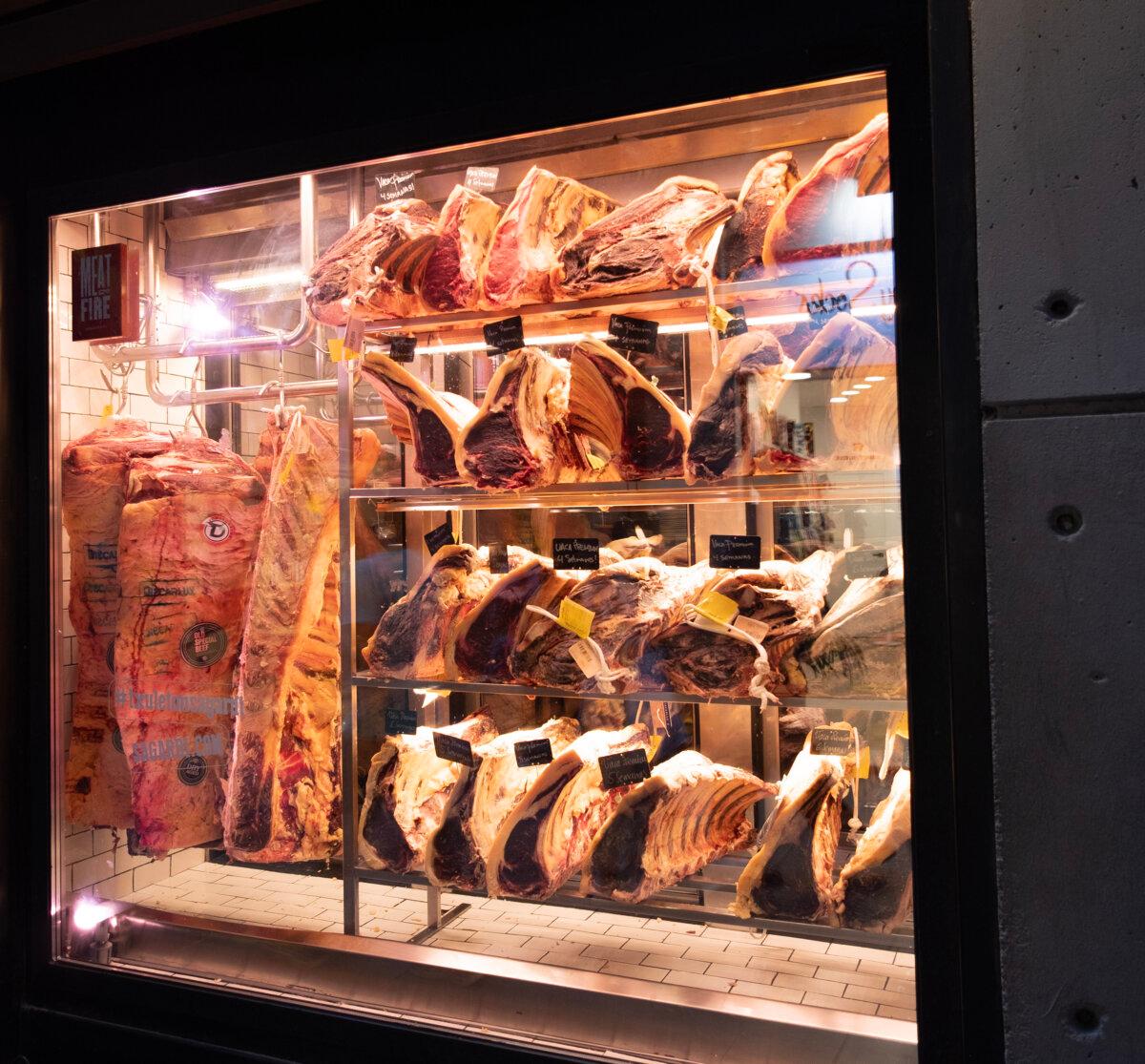
Duvets and Catalan flags fanned from balconies where curious cats watched the world go by. We drank around wine barrels on cobblestone plaças where flamenco dancers passionately stomped near cathedrals. Behind storefront windows swayed sausages and pig legs, as chalkboards temped sangria and beer.
Steps within drinking was Sagrada Familia, Barcelona’s iconic Basilica designed by Antoni Gaudí. It was under construction when I saw it as a child and still was now. Despite cranes and scaffolding, the World Heritage Site was buttoning up for completion in 2026 to coincide with the 100th anniversary of Gaudí’s death. Until then, I would stand in awe of the architectural masterpiece.
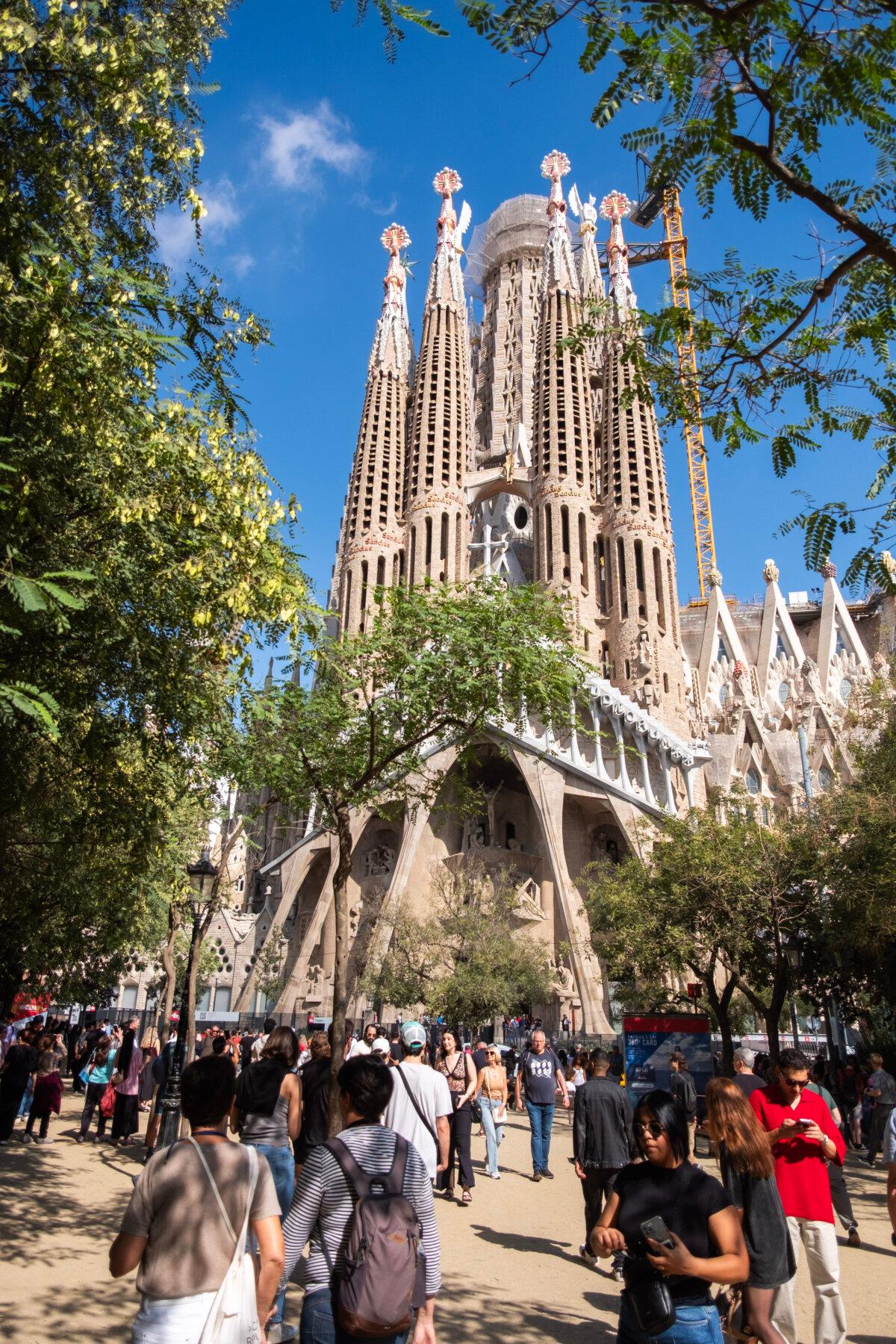
Just outside, couples were kissing, children were chasing bubbles, and locals were walking dogs, playing dominos, reading books, and doing everything that made life present.
“Maybe we should stay in Spain,” I suggested.
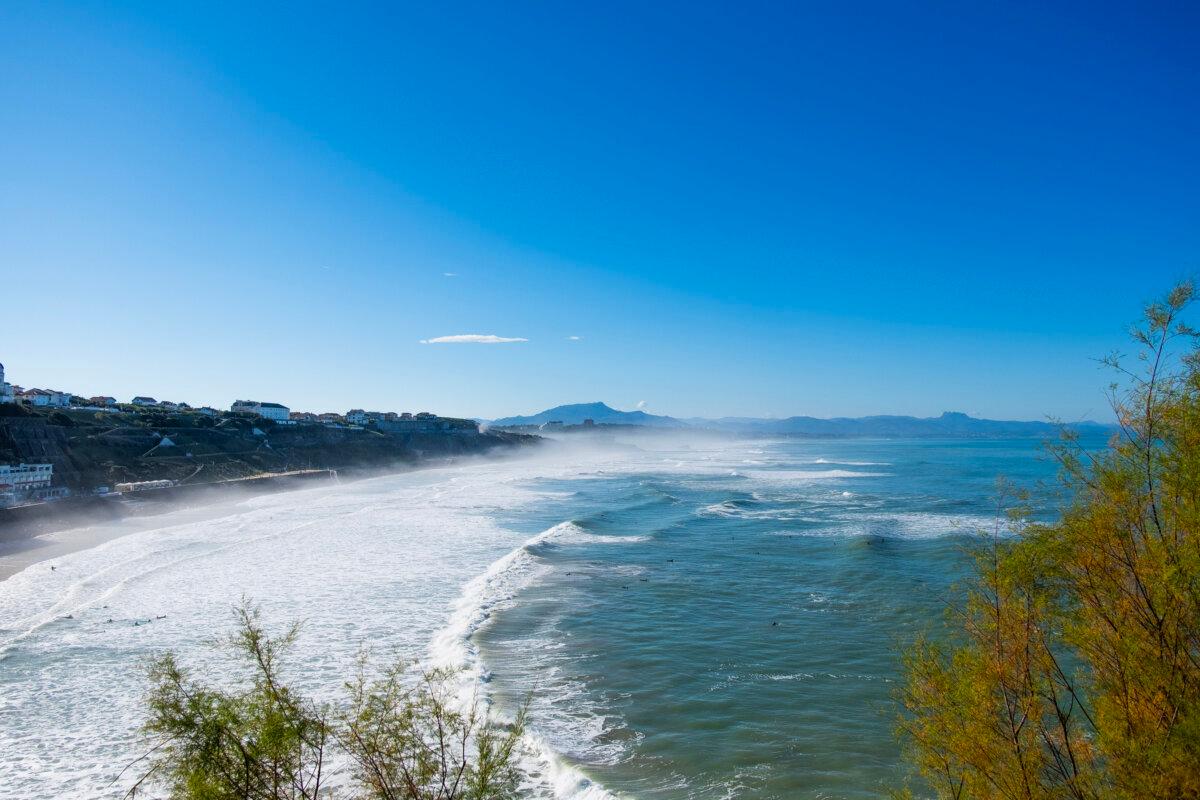
Instead, we drove seven hours to Biarritz, a seaside resort just over the French border and the birthplace of European surfing. In the 19th century, European royalty put it on the map, and in the 1950s, surfers kept it there. A far cry from San Diego’s surf scene, streets were lined with elegant architecture, luxury boutiques, and regal properties including Hôtel du Palais Biarritz—the former residence of Napoleon III and Empress Eugénie.
The city’s blend of haute couture and surf culture was unlike anything I had seen. Surfing, eating, exploring became our unwritten itinerary—and of course, sleeping at Regina Experimental. Founded in 1907, the five-star hotel had a resurgence in 2024 with sleek rooms boasting French balconies opening to the sea and Golf de Biarritz—one of Europe’s most prestigious courses.
Reimagined by Dorothée Meilichzon, decor of the Belle Époque edifice applauded both Basque Country and seaside living with marine stripes and a wink of sisal and rope. Centering the hotel was an atrium where guests gathered for cocktails, piano, and breakfasts that made the lactose intolerant claim they were cured.
Cut tableside were paper-thin slices of jamon that melted on the tongue paired with brie, butter, and baguettes. We popped olives like candy and ate croissants like they were trending. From our room was a direct shot of the lighthouse where yoga took place on weekends. A rooftop pool, spa, and fitness center were all sampled by moi because, for these 12 days, c'est la vie.
By day, we surfed La Grande Plage, walked the boardwalk, and admired how locals looked effortlessly fashionable. It made me want to invest in scarves.
Detours were made at Halles de Biarritz market and Côte des Basques beach—the surfing epicenter of Biarritz. From cliffside cafes, people drank wine with lunch, as if work was an afterthought. Joining the masses, we ordered a bottle, turning strangers into friends along Rue Gambetta. Gone were cellphones and language barriers, and in their place were eye contact and unfiltered authenticity.
Of course, the camera came out the next day during our culinary tour of Bordeaux. The two-hour drive from Biarritz landed us back under the guidance of City Experiences (Devour). Between bites, we toured the center with its picturesque squares and narrow streets lined with boulangeries, brasseries, and boutiques.
From chocolate croissants and caramelized canelés to Tonka-bean truffles and dunes blanche (cream pastries), we sampled our way from one emblematic treat to another. The highlight was meeting cheesemonger Delphine, whose fromagerie served us charcuterie fit for a king—literally. Chez Delphine has fed everyone from the King of England to, well, us.
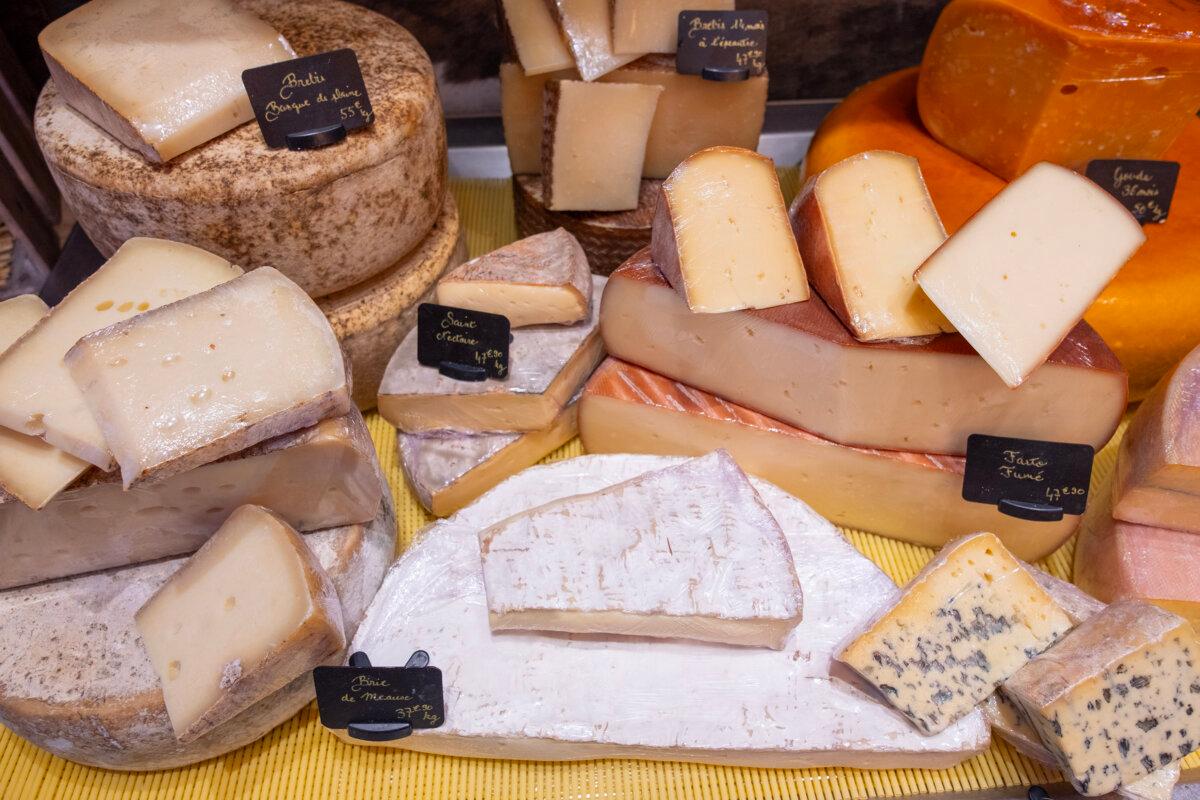
In non-royal fashion, I asked how one might go about smuggling the 80-pound cheese wheel. It was easy to lose sight of reality, especially exploring Cathedral Saint André and Golden Quarter. As a UNESCO World Heritage site, Bordeaux had much more to offer than wine and cheese. In the late-1990s, a restoration effort by Mayor Alan Juppé brightened historic buildings, renewed abandoned warehouses, and revived the waterfront. In 2017, a fast train cut commuting from Paris down to two hours—plus its location ranks Bordeaux among the best qualities of life.
Understandably so. We were hooked on southwestern France, especially on those long drives with stops at village cafes and Dune du Pilat—the tallest sand dune in Europe. Kids barreled down hillsides, dogs chased kitesurfers, and I shoveled sand with my toes.
We were far from ready to bid farewell to the ocean. Back in Biarritz, we moved to Le Garage, the sister hotel of Regina Experimental. The boutique property originally served as a parking garage—and then a mechanic shop—for classic cars of Regina’s wealthy guests.
In 2021, the garage was reborn as a design hotel with a neo-retro style complete with a bistro and pool. The minibar, espresso machine, bathrobe, and slippers—I used them all because back home, life was not this. From our terrace, Benjamin mumbled something about the wild waves.
Wild was an understatement. A swell came in, meaning waves pounded seaside cliffs. And so we drove 45 minutes to surf in Spain. Zurriola Beach in San Sebastián was our spot of choice, where we paddled among locals while respecting the wave as theirs before ours. On the shore, dogs ran freely, couples loved openly, and I couldn’t stop smiling.
Post-surf, we walked to Parte Vieja, historical old town in search of tapas, or “pintxos” in the Basque Country. We ordered a dozen of these open-faced sandwiches and skewers, leaning into San Sebastián’s reputation for the highest concentration of Michelin-starred restaurants per capita in the world.
Walking under the moonlight, I asked Benjamin, “Are we sure we don’t want to retire in Spain?”
Back in France, that question faded in the foothills of the Pyrenees. In the town of St-Jean-Pied-de-Port, hikers were everywhere, backpacks locked and loaded as they embarked on the 500-mile Camino de Santiago trail. The 35-day pilgrimage spans from Saint-Jean-Pied-de-Port into northern Spain.
“Should we grab a beer?” Benjamin asked, timely.
We did, right after walking the city ramparts over arched bridges to the Citadel. The fairy tale continued at our bed-and-breakfast, Clos Mirabel, a white manor on the outskirts of Pau. With sweeping views of the Pyrenees, the property was built in 1732 as a Béarnaise farmhouse. The 15-acre estate changed hands many times, including to those of English lords and Parisian merchants, before landing in those of current owners, André and Ann.
In 2005, the French Canadian couple turned it into a hilltop haven while retaining its historical soul. Three years later, the manor opened its doors as a hotel, and most recently as the creative retreat Clos Mirabel’s Art Ateliers. Hosted by renowned artists, weeklong stays cater to painters, writers, tailors, carpenters, photographers, botanists, and other artisans. Meals were prepared with ingredients from the poolside garden, overlooking vineyards and the Pyrenees. For something more private, there’s a villa and an apartment, the latter which became our base.
Ranked by Forbes among the top 10 places to retire, Pau was intentional. As the capital of the Béarn region, it was the birthplace of Henri IV and possibly the resting place of us. Low-cost living, high-quality life, old-world charm—it had all the makings of a retirement dream. Throw in free health care, low crime, good weather, and its location between mountains and sea—it was easy to envision ourselves hiking, surfing, skiing, and basking in the French sunshine.
But for now, we would stroll Boulevard des Pyrénées, Les Halles market, and Beaumont Park—part of Pau’s 1,900 acres of gardens that make Pau one of the greenest cities in Europe.
We drank at Aragon and dined at Le Berry, a lively brasserie with lines out the door.
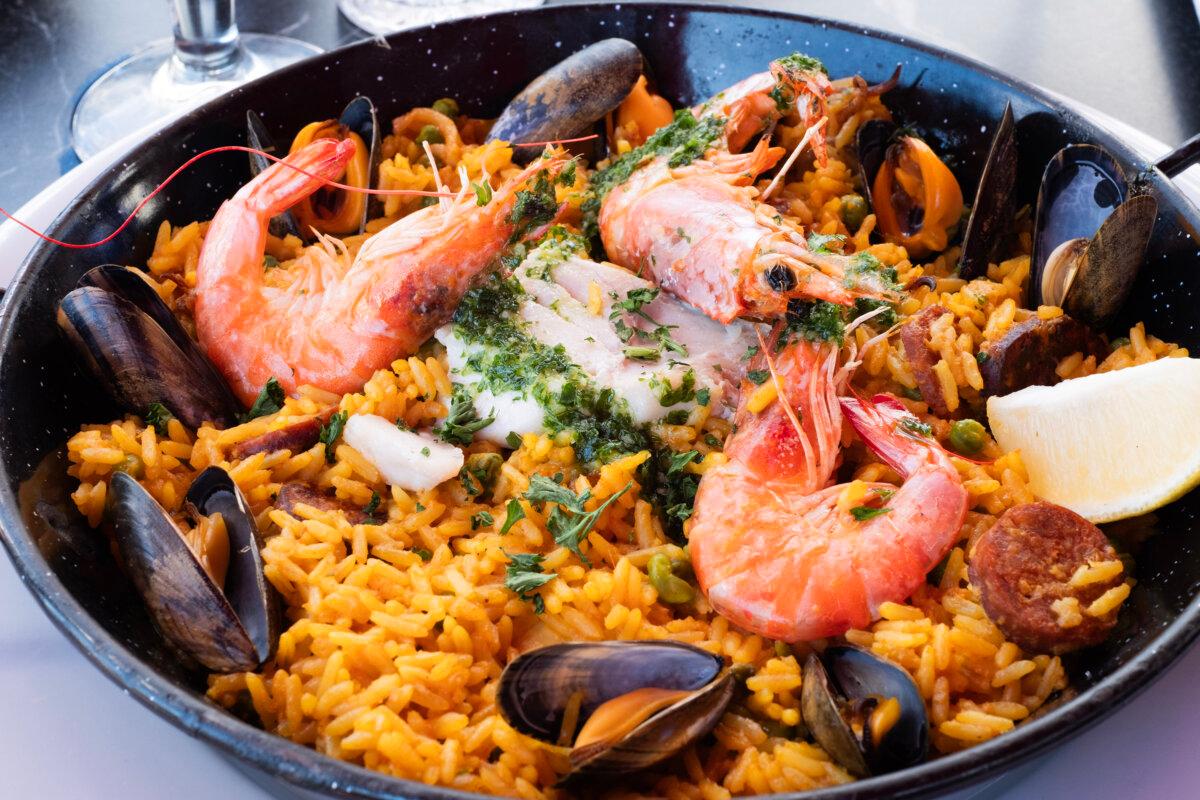
Just when we thought we had tapped it all, we discovered Saint-Jean-de-Luz, a fishing village where slender streets unlocked the bay of Grande Plage. On the water’s edge, we lunched at La Terrasse, where grilled sardines, seafood paella, drinks, and dessert cost just $53.
No one seemed to be in a hurry, walking the strand with dogs as accessories or surfing the outer banks. Even the pigeons looked content, strutting with fries dangling like cigarettes.
As our last stop in Basque Country, we paused in Bayonne, a city known for its medieval streets, Gothic-style cathedrals, and riverwalk with red-shuttered half-timbered houses. Before our eight-hour drive to Paris, we stocked up on supplies, particularity chocolate that earned Bayonne the name the “chocolate capital of France.”
Anxiety returned in Paris, weaving into the thickness of tourism as I directed Benjamin into parking spaces with the use of my “accordion” hands. Park Hyatt Paris-Vendôme saved the day, our hotel where we could walk everywhere: the Louvre, Palais Garnier, the Eiffel Tower, and the Arc de Triomphe.
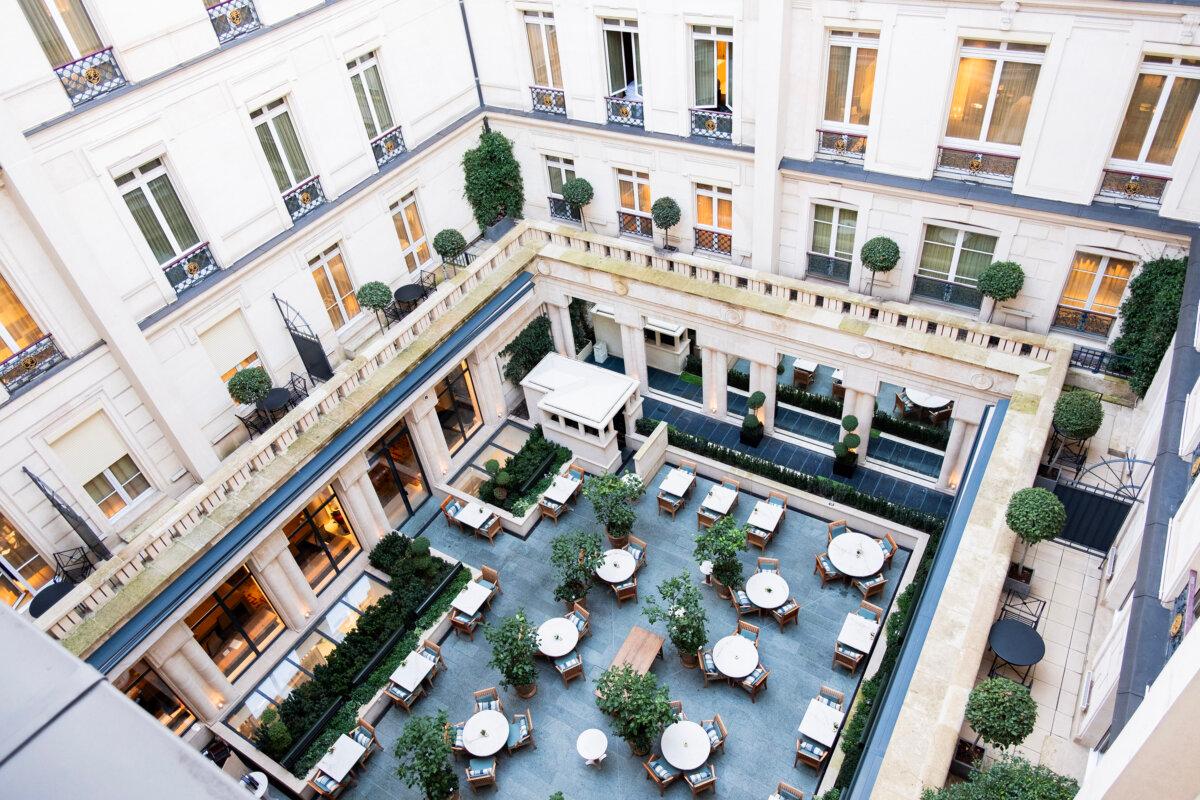
Despite our exploring, we set aside time to relax at our Hyatt palace, balancing classical architecture with contemporary design. Outside were unobstructed views of Parisian rooftops, and inside were mahogany headboards, white linens, and bronze sculptures by Roseline Granet.
As the grand finale, we dined at PUR’, the hotel’s restaurant by architect Hugo Toro and Michelin-starred Chef Jean-François Rouquette. This collaboration of art and gastronomy was like stepping into a 1930s private residence, with a tasting menu spanning stuffed morels to open-sea abalone.
The 5 a.m. drive to the airport was painful, as we were still in a daze as headlights sparkled like diamonds through the guardrail. As much as we loved Paris and Barcelona, it was the French Basque Country that fed us culture over couture and freedom over fashion.
Squeezing Benjamin’s hand, I told him I wanted to come back ... for good.
On the flight home, we discussed how we could go about starting a new life—and making an impact—in a country that was not our own. We spoke of a sickly boy named Gaudí who went on to become one of the most influential architects of all time, and of 1950s American surfers who longboarded their way into Biarritz, and a French girl named Delphine who visited more than 100 dairy farms before building a fromagerie fit for the king. We talked of a mayor who turned a forgotten city into a UNESCO World Heritage site, and a Spanish city whose people loved food so much that it now had 18 Michelin stars within a 10-minute drive; we reflected on a French Canadian couple who took an abandoned estate and turned it into a hilltop manor for global artisans.
“Let’s do it,” Benjamin said. “Let’s retire in France.”
His words were not just a fantasy. They were a manifestation. And now, some six months later, we have the mental tan lines to prove it.