With a run of springlike weather and the beginning of Lent, now is a great time to try a new batch of recipes that are lighter in preparation but not in flavor. (We’re following the Lenten rule and allowing fish.)
Give tuna salad a mayo-free makeover by infusing the pantry staple with Southwestern flavors and serving it on a tostada. Or combine a can of oil-packed tuna with vegetables, olives and hard-boiled eggs, then stuff them into empanadas for a portable Spanish-inspired meal.
Marinate salmon in an Asian sauce before mixing it up with noodles, baby bok choy, and peanuts. Try your hand at salmon escabeche, a traditional Spanish preparation that’s ceviche-adjacent, and serve it atop a bed of fresh greens for a lighter meal that evokes warmer weather.
Or try a pasta dish that gets its protein from walnuts, funk from Gorgonzola and a side of bitterness from radicchio. It’s a flavor powerhouse.
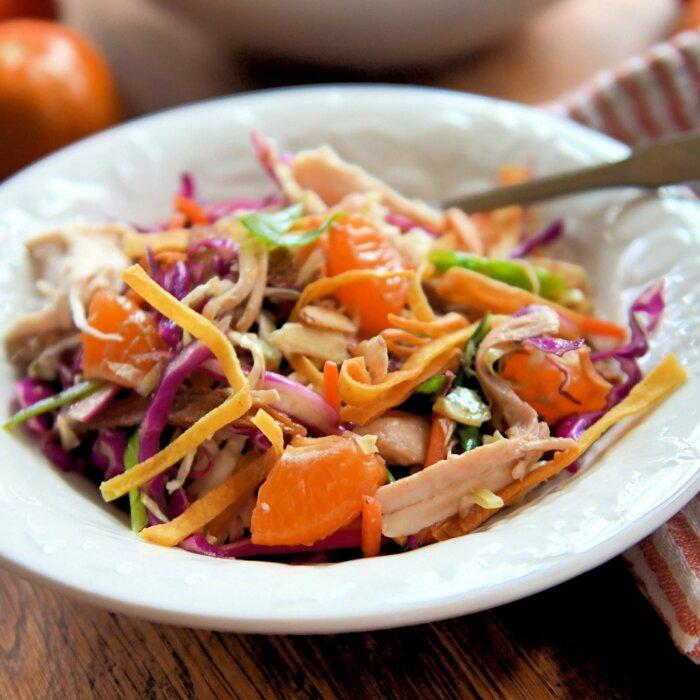

Tuna Salad Tostada
Serves 4 to 5.- 1 pound fresh tuna (or canned tuna, drained and shredded with a fork)
- 1/4 medium white onion, diced
- 1 cup diced tomato
- 1 cup diced red bell pepper
- 1 cup cilantro leaves
- 1 teaspoon sesame seeds
- Juice of 2 limes
- 1/2 teaspoon sea salt, plus more for salting the fish
- 1 teaspoon chipotle powder
- Tostadas, for serving
- 2 to 3 avocados, thinly sliced
- Chili oil, for serving, optional
In a medium bowl, combine the onion, tomato, red bell pepper, cilantro, sesame seeds, lime juice, salt, and chipotle powder. Mix well, and add the shredded fresh or canned tuna.
Salmon Escabeche
Serves 4.- 1 pound wild-caught salmon fillet, cut crosswise into 1-inch-wide slices
- 1 1/2 teaspoons kosher salt
- 2 teaspoons freshly ground pepper
- 1 shallot, thinly sliced
- 1/2 fennel bulb, trimmed and thinly sliced
- 4 sprigs fresh parsley, coarsely chopped
- 1/4 cup extra-virgin olive oil
- 2/3 cup dry white wine, such as Albarino
- 4 cups mixed greens
- 2 tablespoons finely chopped fresh tarragon, for garnish
In a small saucepan, heat the oil and wine over medium-high heat and boil for 1 minute. Immediately remove from heat and pour the mixture over the salmon. Cover and set aside until cool. Transfer to the refrigerator and let the salmon marinate for at least 12 hours.
Salmon Satay Noodles
Serves 2.You can swap the salmon for prawns, chicken, or pork tenderloin, or use any sort of noodles you wish. To get ahead, make the dual-purpose satay sauce/marinade the day before or in the morning. From “Clodagh’s Happy Cooking,” by Clodagh McKenna (Kyle, 2026).
- 2/3 cup (5 1/2 ounces) soy sauce
- Finely grated zest and juice of 2 limes
- 1/2 cup (4 ounces) toasted sesame oil
- 2 tablespoons honey
- 2 tablespoons rice wine vinegar
- 3 cloves garlic, crushed
- 1 (2-inches) piece of ginger root, peeled and finely sliced or grated
- 2 tablespoons hoisin sauce
- 2 tablespoons peanut butter, preferably smooth
- 2 tablespoons water
- 2 salmon fillets with skins
- 2 teaspoons olive oil
- 2 egg noodle nests
- 1 large red pepper, finely sliced
- 2 heads of baby bok choy, halved
- 1 tablespoon chopped roasted peanuts
- 1 green onion, finely sliced
- 1 tablespoon chopped cilantro leaves
- 1 lime, halved, for serving
To make the salmon: Place the salmon fillets in a bowl, pour over half the sauce and turn to coat all over. Cover and place in the refrigerator for at least 30 minutes, or up to overnight.
Set a frying pan over medium heat and add the olive oil. Remove the salmon fillets from the marinade, shaking off the excess, and place them in the hot pan, skin-side down. Sear for 5 minutes, or until the skin has browned, then turn and cook until opaque, 1 to 2 minutes. Transfer the salmon to a plate, cover, and allow to rest.
Cook the noodles according to the package instructions, then drain and set aside.
Add the red pepper and bok choy to the frying pan and cook, stirring constantly, for 2 to 3 minutes, or until crisp-tender. Add the rest of the satay sauce to the frying pan and heat through. Finally, tip in the noodles and toss to coat with the sauce.
Strozzapreti With Radicchio, Walnuts, and Gorgonzola
Serves 4 to 6.- Kosher salt, to taste
- 12 ounces strozzapreti (see Tip)
- 10 tablespoons (5 ounces) unsalted butter, cut into pieces
- 1/3 cup extra-virgin olive oil
- 2 medium heads Treviso or the more common Chioggia radicchio, cut into ribbons 1/2 inch. wide
- 2 cloves garlic, peeled
- Freshly ground black pepper, to taste
- Leaves from 2 sprigs fresh rosemary, chopped if large
- 1/2 teaspoon red wine vinegar, plus more as needed
- 1/2 cup finely grated Parmesan cheese, plus more for garnish
- 6 tablespoons chopped toasted walnuts, preferably black walnuts, plus more for garnish
- 3/4 cup crumbled Gorgonzola cheese
Meanwhile, start the sauce: In a deep 12-inch sauté pan, melt the butter and olive oil over medium heat. Add the radicchio and garlic and sauté, stirring now and then, until the radicchio is tender, about 5 minutes. Season with salt and pepper to taste. If the pasta isn’t ready yet, remove the pan from the heat.
When the pasta is ready, return the pan with the radicchio to high heat and add 1 cup of the hot pasta water and the rosemary. Bring to a simmer and use a spider strainer or large slotted spoon to scoop the cooked pasta from the water and transfer it straight to the pan. Shake and swirl the pan until the sauce reduces a bit more and begins to hug the pasta, 1 to 2 minutes (keep the pasta moving, adding a little more pasta water if necessary to create a loose, creamy sauce). Taste the sauce and season with the red wine vinegar, adding more to taste. Toss everything until the pasta and sauce begin to marry.
Remove from the heat, add the Parmesan and toasted walnuts, and keep tossing until the sauce thickens further and the pasta and sauce marry, leaving little to no sauce in the pan. Remove the garlic cloves before serving.
Dish out the pasta in mounds onto warmed plates. Garnish with the Gorgonzola, some more toasted walnuts and some Parmesan.
Galician Empanadas
Makes 4 empanadas.The Galician empanada is distinguished by its shape and filling. Traditionally made as one large, round pie with crimped edges, this empanada is filled with tuna and a sofrito of vegetables; it is cooked whole and served in wedges. Alternatively, as we do here, the empanada can be cooked in individual round tartlet pans. From “Tapas Espana: 70 Easy Recipes for Gathering and Sharing,” by Catherine Cogliandro Alioto (Weldon Owen, 2026).
- 2 1/2 cups all-purpose flour
- 1 teaspoon kosher salt
- 1 cup (2 sticks) cold unsalted butter, cut into small pieces
- 1/2 cup ice-cold water
- 3 tablespoons olive oil
- 1 onion, diced
- 1 green bell pepper, seeded and diced
- 2 cloves garlic, minced
- 3 Roma tomatoes, chopped
- 1/2 teaspoon kosher salt
- 1/2 teaspoon freshly ground pepper
- 1 (5-ounces) can tuna, packed in oil, drained and flaked
- 1/4 cup green olives, pitted and coarsely chopped
- 1 hard-boiled egg, sliced
- 2 tablespoons fresh parsley, chopped
- 2 teaspoons smoked paprika
- 1 large egg
- 1 tablespoon cream
Preheat the oven to 400 degrees F.
To make the sofrito: Warm the oil in a large sauté pan or skillet over medium-low heat and add the onion, bell pepper and garlic. Cook for 3 to 5 minutes until translucent. Add the tomatoes and season with salt and pepper. Continue to cook for 5 minutes until the tomatoes release their juices. Set aside to cool.
Once cool, in a large bowl, combine the sofrito with the tuna, olives, hard-boiled egg, parsley, and paprika. Stir gently to combine. In a small bowl, whisk together the raw egg and cream.
Roll out the dough and cut out eight 3-inch rounds. Press four of the rounds into the bottom of four tartlet molds. Divide the vegetables and tuna mixture among the molds and top each with another round of dough. Seal the edges and, using a paring knife, make two small vents in the top of each empanada. Brush the empanadas with the egg wash. Place the tartlets on a baking sheet and bake for 30 minutes until golden brown.
Store wrapped or in an airtight container in the refrigerator for up to 3 days.