Tropical cruises, dips in the pool, white sand beaches in Bali—these are things we expect from posh summer vacations. But beyond vacation destinations they’ve become classroom venues for families like the Mumfords from Australia who are following a new movement in education: worldschooling.
Nicky and Brad Mumford spent last fall kicking off what is becoming a grand tour of southeast Asia, visiting Vietnam, Malaysia, and Bali with more trips, including Japan, still in store. They entered a trend that began around 2000 as something “counterculture” but exploded into the mainstream after the pandemic. Worldschooling is an extension of unschooling, which is an extension of homeschooling. It’s based on hands-on learning via travelling the world.
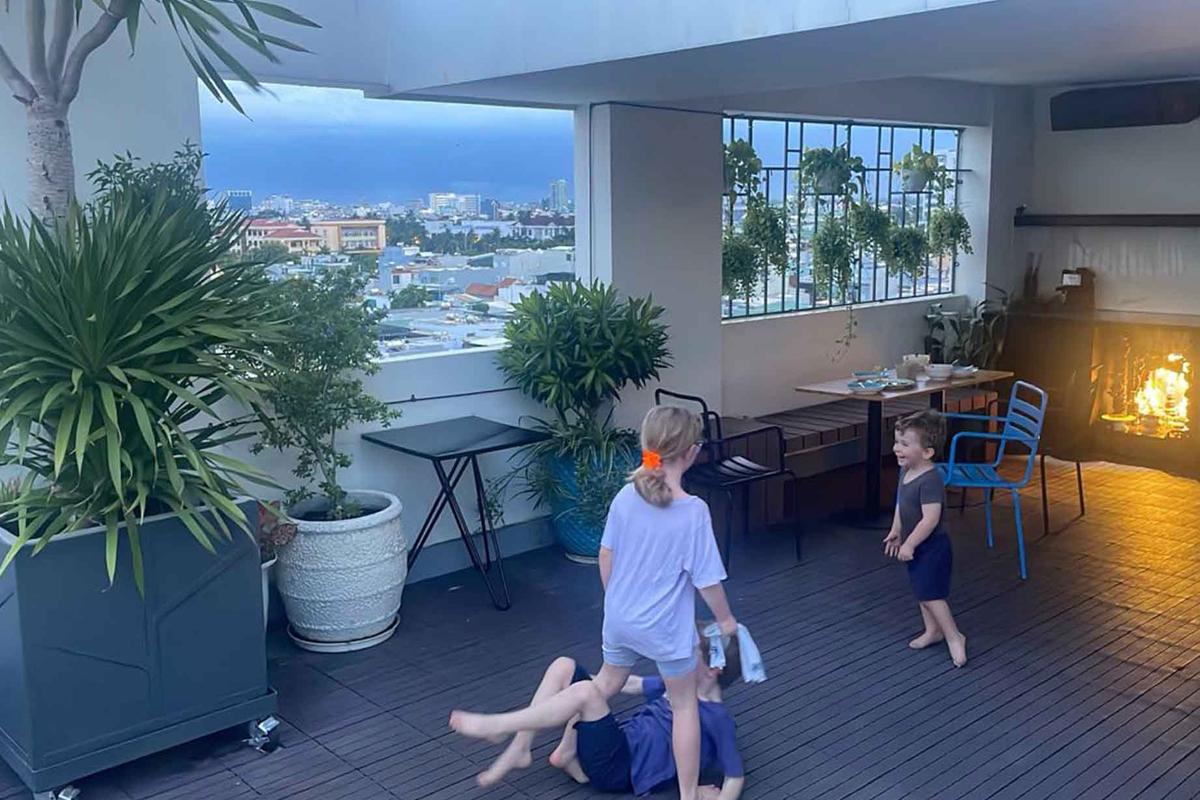
Waking at 7:00 a.m., the Mumfords and their four children, Hannah, 12, Madelyn, 8, Ari, 6, and Micah, 4, begin a new day in a foreign country overflowing with rich history. After breakfast in their hotel room, the kids begin lessons with Mom—two math lessons and two English lessons per day are standard—while Dad heads downstairs to a cafe with his laptop to manage clientele. He runs a worldschooling hub to meet a growing demand from homeschool parents worldwide.
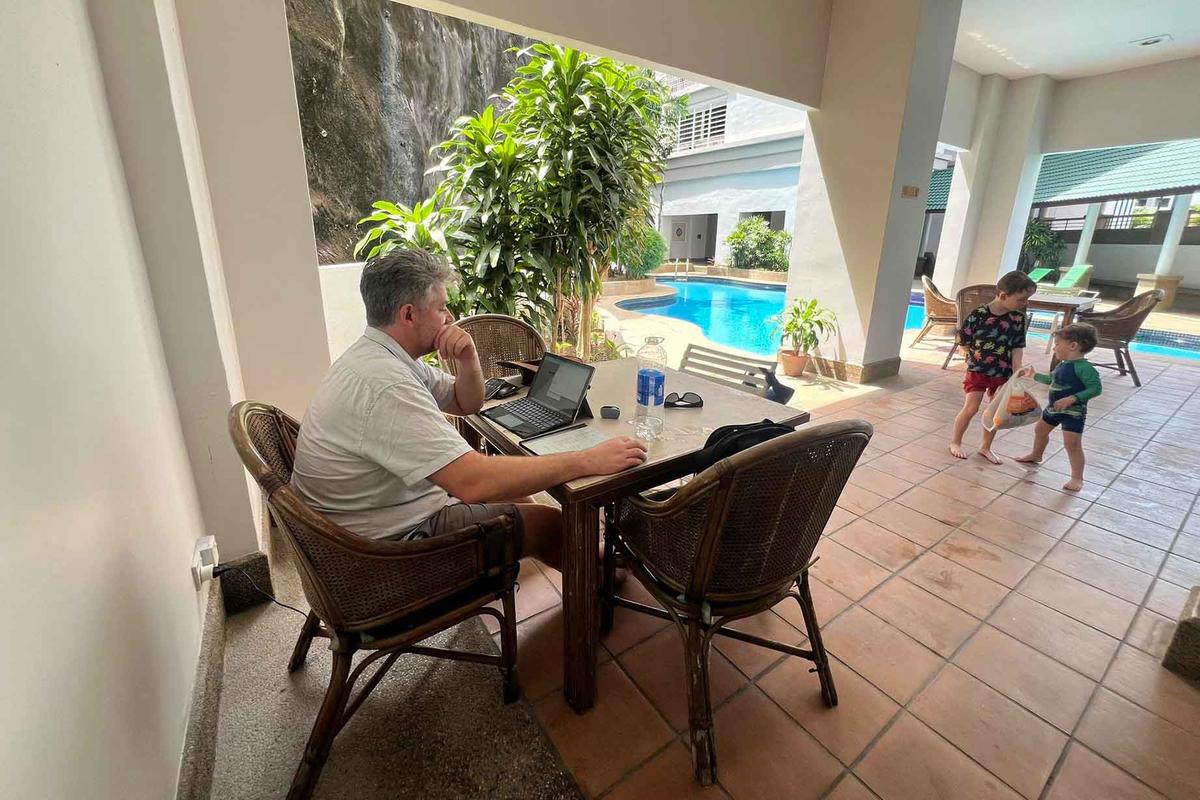
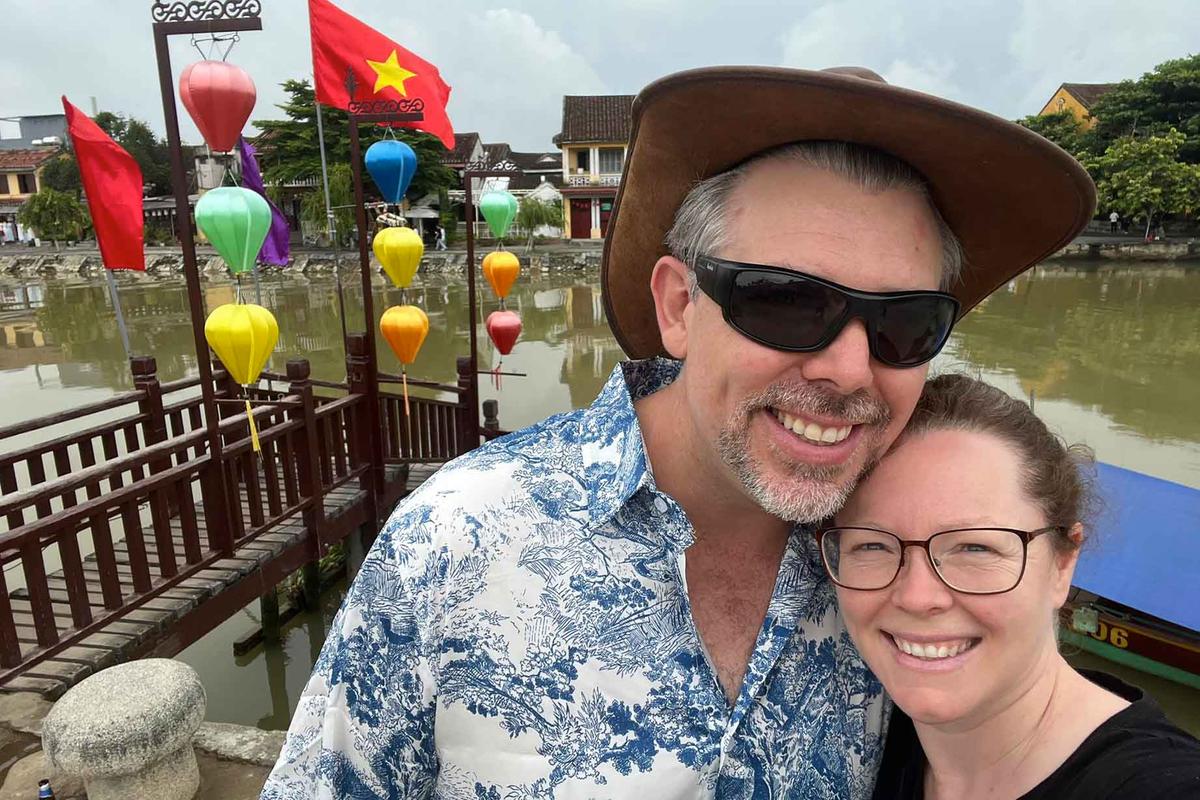
Brad Mumford, a 40-year-old former bricklayer-turned travel agent from Adelaide, South Australia, has been organizing “worldschooling camps,” as he puts it, planning extravagant trips for homeschool families like his.
“We’ve got a cruise coming out of Brisbane in February,” he told The Epoch Times, speaking of their upcoming jaunt to the Great Barrier Reef in 2026. “We’ve got a small group going through Egypt, another group going through Japan, Borneo, Australia, New Zealand.”
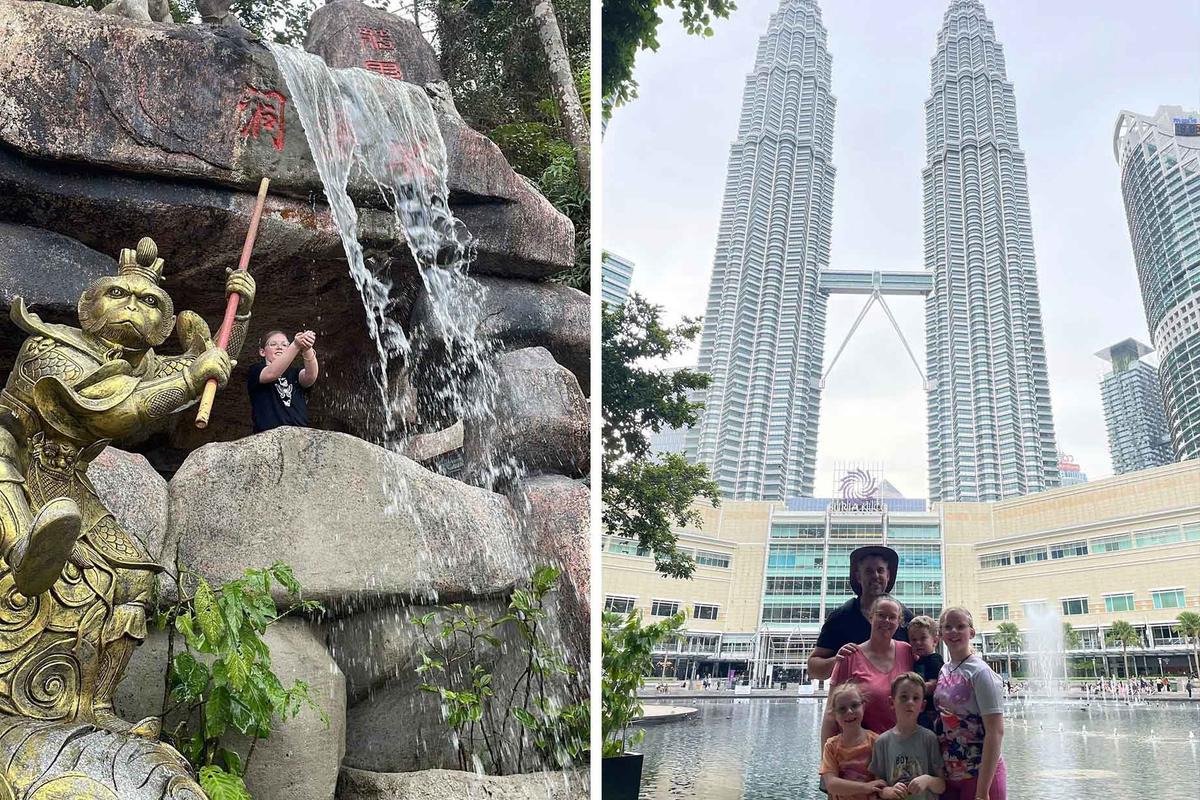
One or two days a week, the family caps off classroom work with an adventure. It could be an ancient Buddhist temple near Kuala Lumpur, a national museum, or Ha Long Bay in Vietnam. Their southeast Asian adventures also include new cuisine; they found peppery spice inescapable, almost no dairy, and a new love for Nicky: pho, a Vietnamese soup dish.
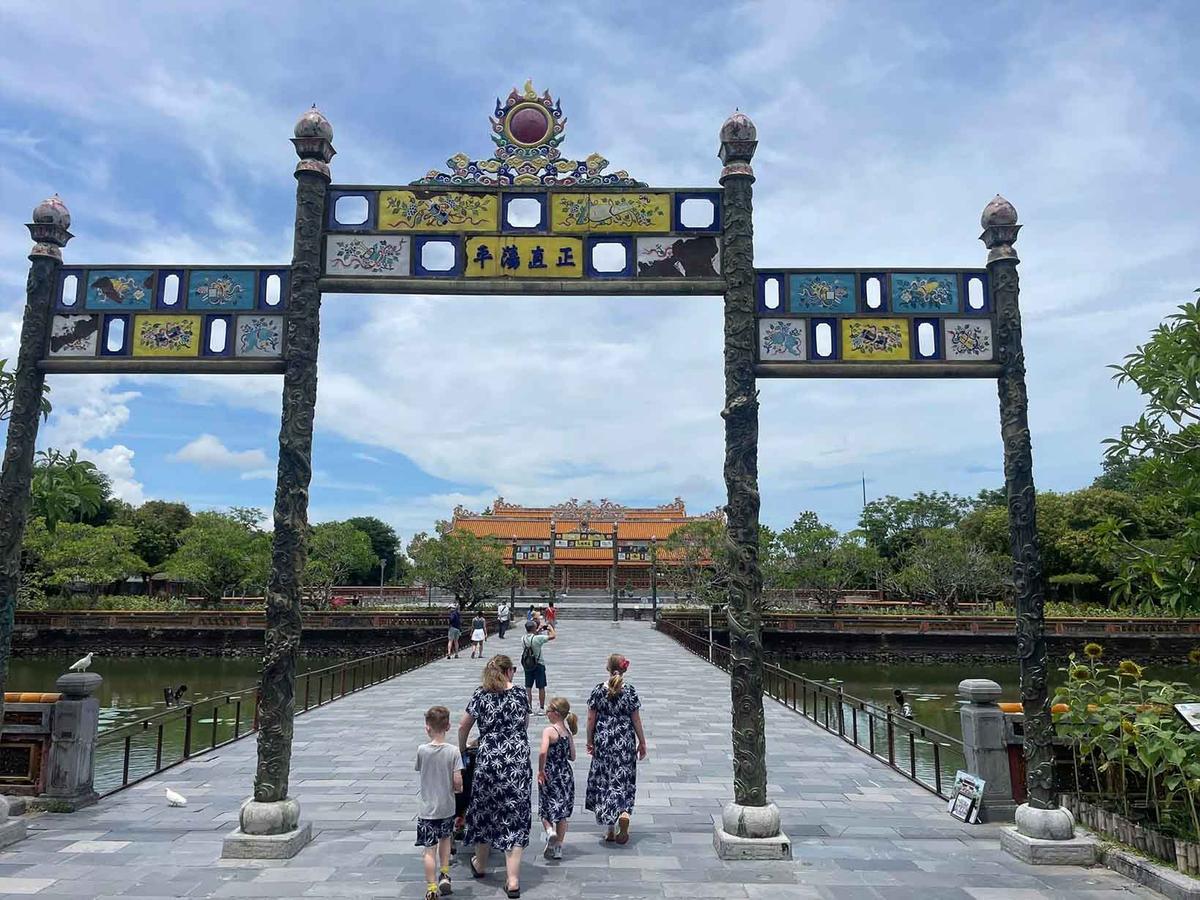
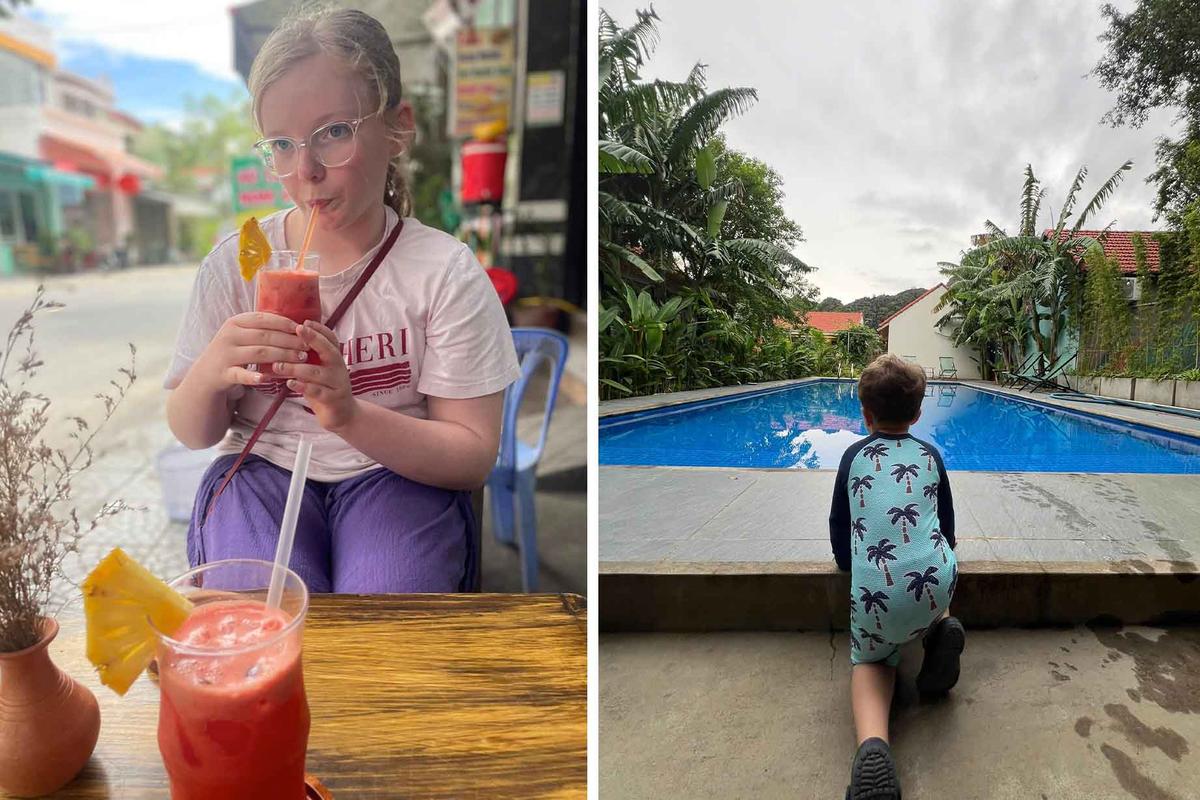
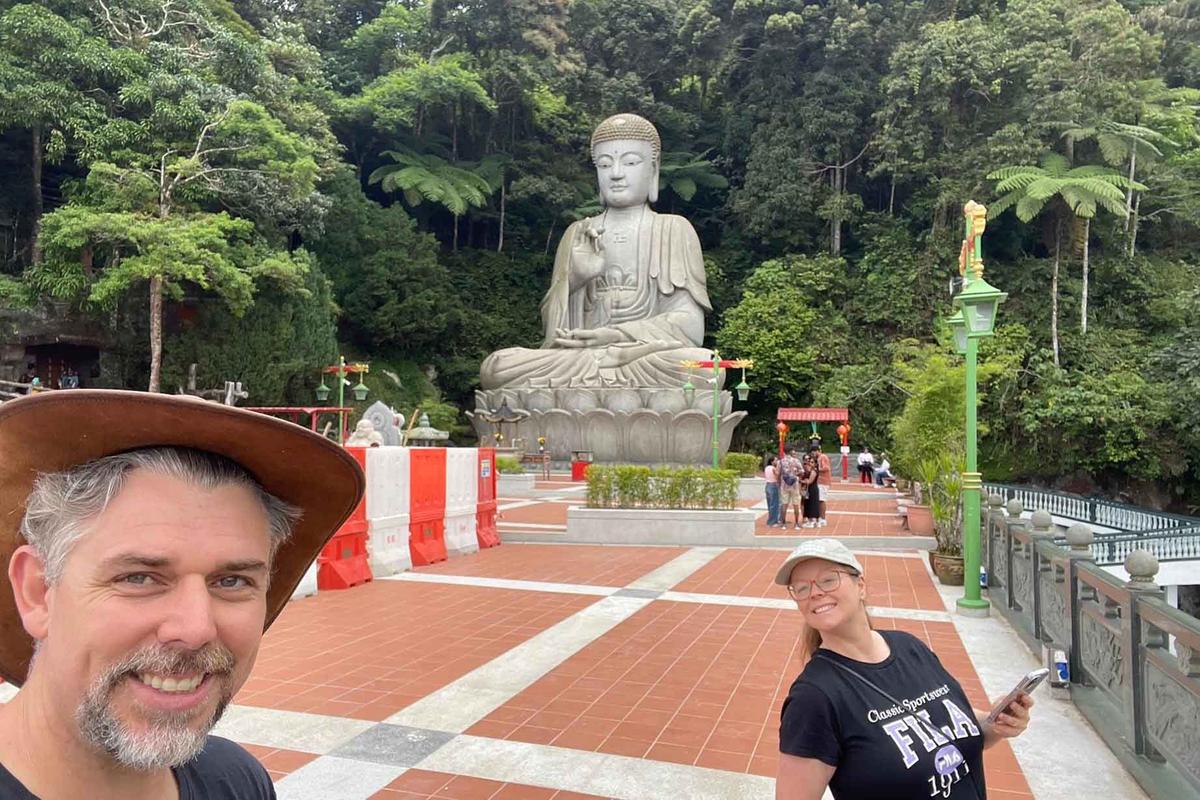
All these adventures started with the pandemic. After 2020, the couple became ever more worried for their growing family.
“There was increasing numbers of children being diagnosed with mental illness in schools—anxiety, depression, and suicide,” Mumford said, adding that teachers were pushed past their limits during COVID while parents—including the Mumfords—who volunteered in the classroom to help were “demonized.”
The decision to pull their kids from public school classrooms “wasn’t hard,” he added, since Madelyn was born with life-threatening developmental issues. They also wanted a “safety bubble” to protect their Christian values from “woke agendas.”
“We’re getting back to those grassroots of family values and togetherness because we feel like we’re living separate lives,” Mumford said. “It wasn’t a decision to homeschool—it was a decision to create a circuit breaker for our lives.”
At first, the plan was to take the kids on a two-year lap of Australia. “I left my job, a stable income, and we packed up our entire life and moved into a caravan,” he said. Homeschooling was the only logical solution to their nomadic exit.
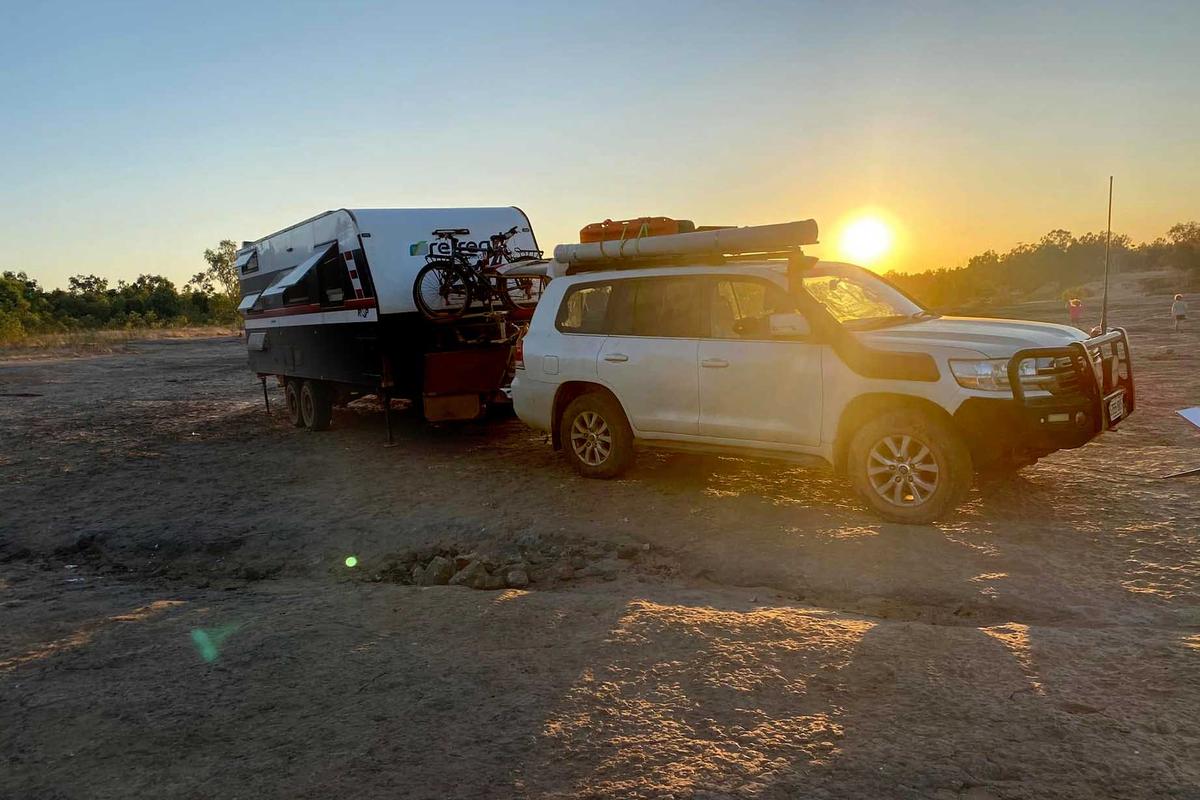
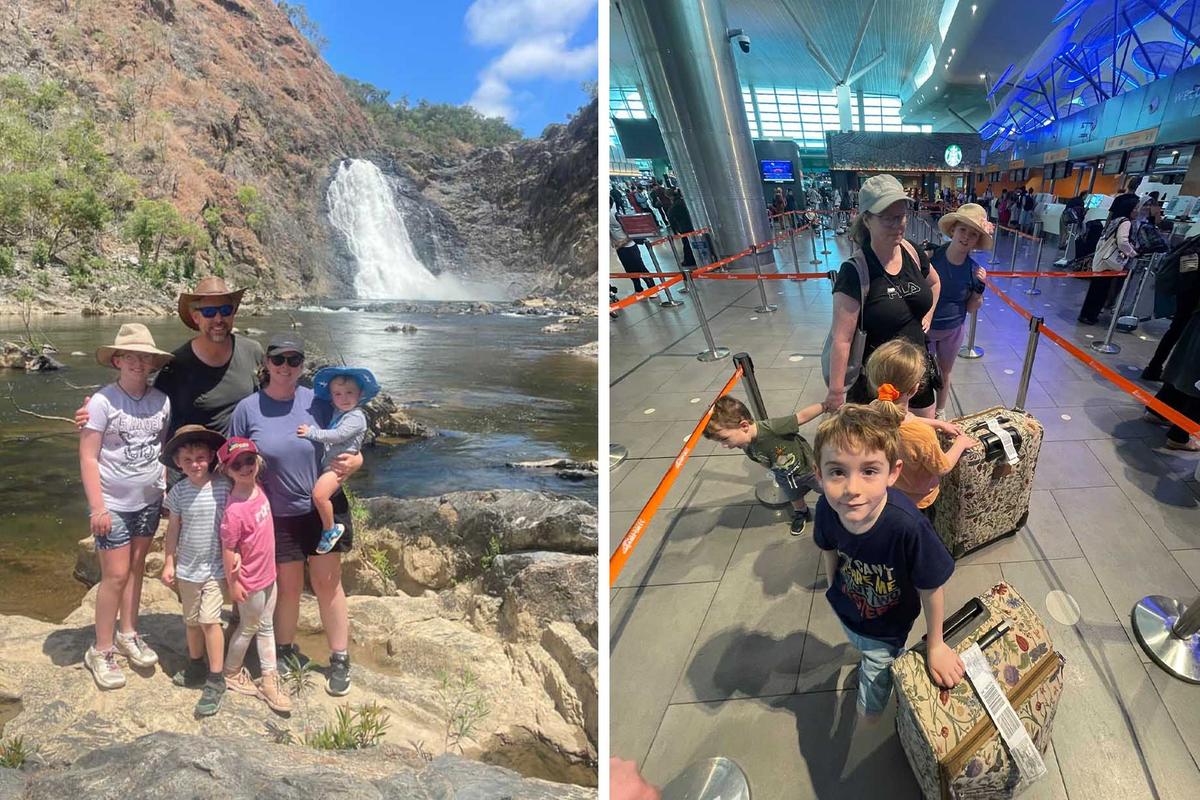
“Let’s just put our feelers out see if there’s any homeschooling families,” Mumford said, adding that they “wanted to share our passion to travel with other families.” Thanks to the rise of remote workers and homeschooling after COVID, the response was overwhelming. Whether it was digital nomads like themselves or families travelling the world, the Mumfords tailored itineraries to suit them all.
“Homeschoolers from all over the world are wanting to join us,” he said.
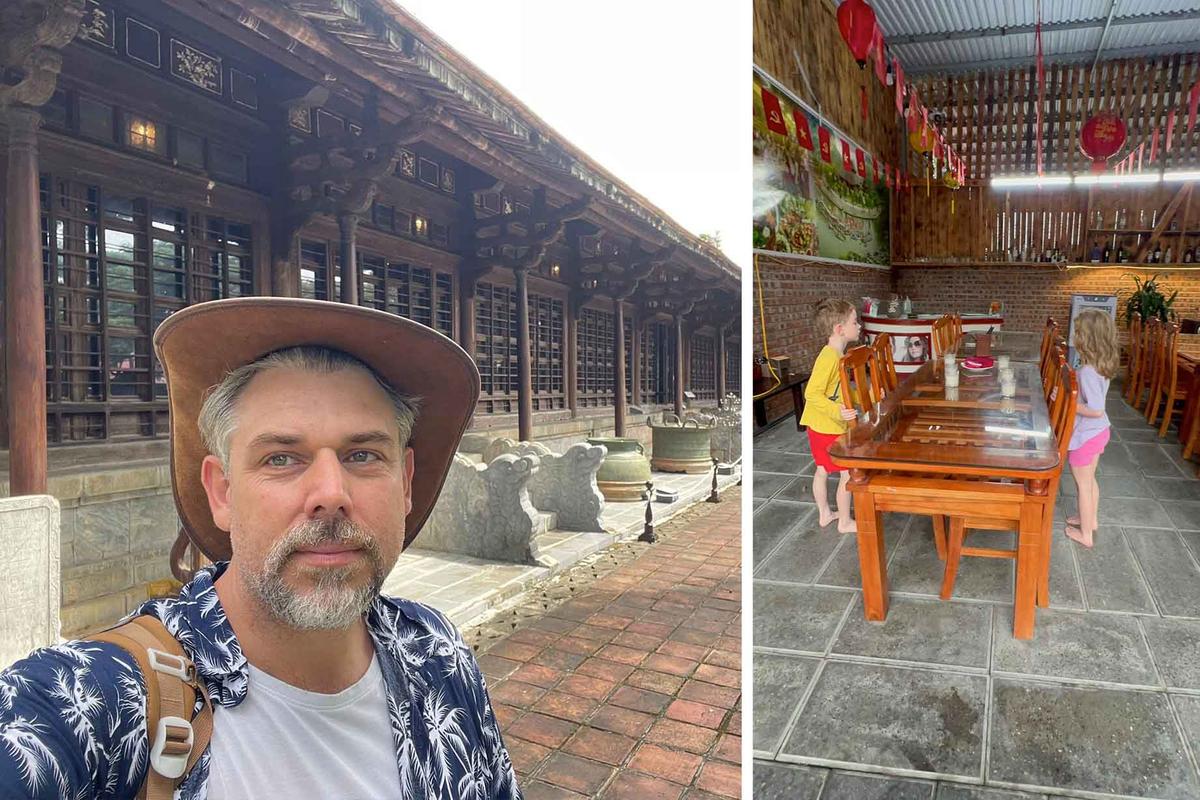
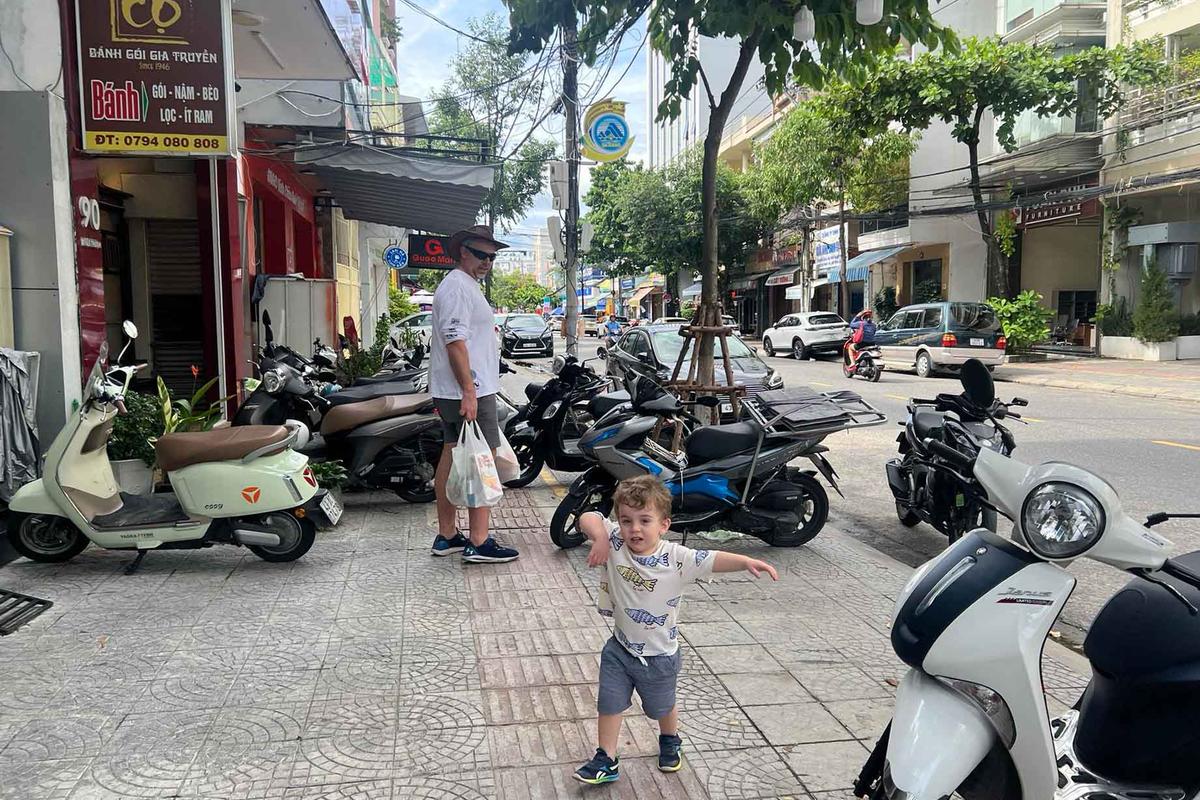
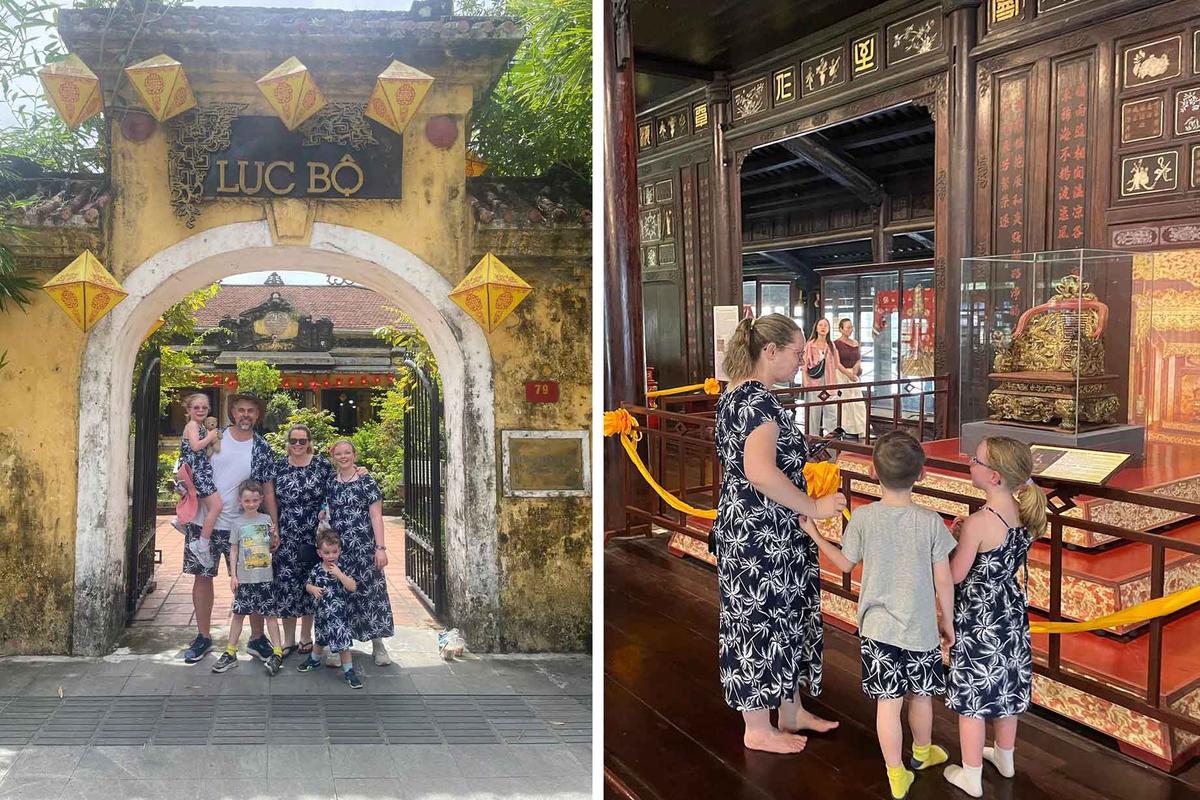
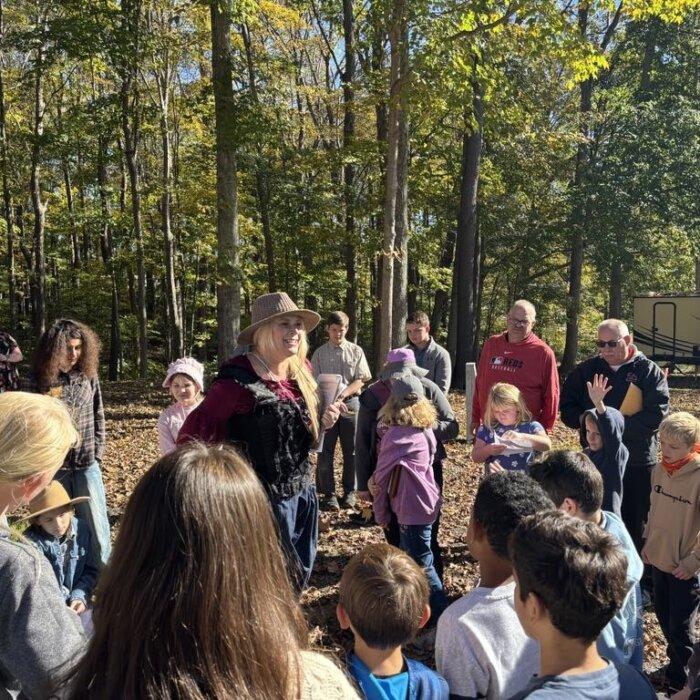
Admitting he once thought homeschoolers were “weird outcasts,” Mumford now says “it’s almost like you’re the weird one if you go to school.” Though it can be isolating, he says, the growing popularity of homeschooling is creating opportunities for socialization. Opportunities to build friendships with other homeschool families. Opportunities for BBQs, ice skating, and park picnics.
So far, the education has been enlightening. The lessons aren’t always sugarcoated though; the real world can be a grim place. Visiting the Chin Swee Temple in Malaysia, the family came face-to-face with sculptural scenes of torture from the Buddhist version of hell. Ari was scared to tears. In Ho Chi Minh City they learned the Vietnamese name for the Vietnam War is the “Resistance War Against America to Save the Nation.”
But they also saw how successfully the once-war-torn nation rebounded. They’re learning the resilience of the human race, Mumford said.
He admits his family’s journey hasn’t always been comfortable, but he wouldn’t change things for the world.
“If we’re going to grow we’ve got to get uncomfortable as a community, as a family,” he said. “I'd say I regret we didn’t do something like this sooner as a family, because it’s worth it.”
Once an overworked father watching from the sidelines, now a full-time teacher playing the leading role in his kids’ lives, Mumford has no regrets.
“My kids were getting the worst of me,” he said, speaking of life before worldschooling. “It’s not whether they’re highly educated, it’s not whether they attend traditional school. It has to do with: are mom and dad present?”