A few terms you may find on bottles of white wine: Pinot d'Anjou, Savennieres, Anjou Blanc, Montlouis, Saumur, Steen, Vouvray, Pineau de la Loire, and Cremant de Loire.
The wine inside such bottles is generally slightly sweet but usually has excellent acidity, so it goes nicely with lighter-weight foods and is not typically very expensive.
Most of these terms come from French, and the wines usually are best consumed young and are frequently a delight on hot days. All of them are made from the same grape variety, one that is widely known as chenin blanc.
(Steen is the word used for it in South Africa, where it is prolific and makes excellent whites. And Cremant is a sparkling wine.)
And there are more terms for chenin blanc—Coteaux du Layon, Bonnezeaux, and Quarts de Chaume are sweet chenin blanc dessert wines.
One reason for all these names is that many of them identify different regions, and under French law, the region alone may identify the wine grape used. As place names, they may not be used elsewhere to identify a wine.
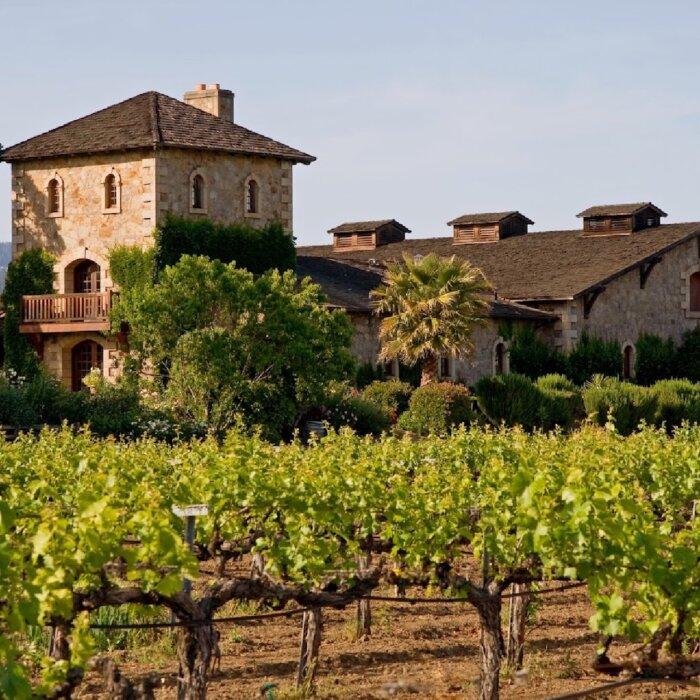
The reason for their proliferation is that chenin blanc produces an attractive, lighter-styled wine that was once more popular in the United States than it is today. Starting in the 1980s, chenin blanc began to decline in popularity as many Americans discovered chardonnay.
So, although chardonnay became the “call” pre-dinner sipper in upscale restaurants, chenin blanc’s popularity declined—but not because people didn’t like it. It was simply that chardonnay was a more upscale choice. Chenin has always been a favorite in France’s Loire Valley. This high-acid white wine grape can make many wine types—sparkling wines to dry, off-dry, and balanced dessert wines.
Of course, it also may make bland, neutral wines if the vine’s vigor isn’t controlled. Among the best chenin blanc-based wines in the Loire, and my favorite, is Savennieres, a typically dry wine, though some slightly sweeter versions can be more complex.
Once highly important in California (in the 1970s it was made by Charles Krug and Chalone), today this melon-scented wine is usually off-dry.
It has been in the spotlight recently as it has come back from obscurity. Most of the newer Napa Valley versions come from grapes grown by Ballantine Vineyards north of St. Helena and are dry. Among the best local producers who never stopped making a chenin blanc are Chappellet in Napa and Dry Creek Vineyards in Sonoma’s Dry Creek Valley.
As a grape, it is large-berried and tight-clustered. Because of this, it is notoriously susceptible to rot if rain hits before harvest.