If you’ve wandered through the sunscreen aisle lately, you know it’s become something between a beauty boutique and a science fair. With prices all over the map and labels that sound like chemistry homework, it’s no wonder so many people either overspend or skip sunscreen altogether. But skipping protection? That’s not saving—it’s gambling with your skin.
Price Doesn’t Equal Protection
Here’s the good news: The Food and Drug Administration regulates all sunscreen sold in the United States. That means whether you buy it at a fancy department store or from the bottom shelf at Walmart, it has to meet the same SPF standards. So what’s the price difference about? Texture, fragrance, packaging, and branding. Not necessarily performance.What to Look For
SPF 30 or higher: That’s your daily minimum.Broad spectrum: Protects against both UVA (aging) and UVB (burning) rays.
Water resistant: Especially if you sweat or swim.
Budget-Friendly Sunscreens That Deliver
Equate Sport SPF 50 (Walmart): At about $5, it’s a reliable workhorse. It’s been top-rated in multiple consumer reports and holds up well to heat, sweat, and everyday wear.
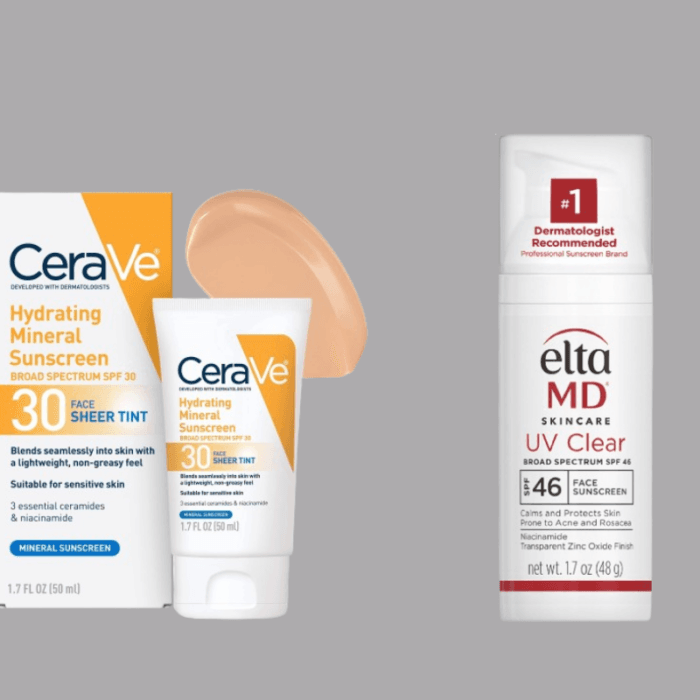
Trader Joe’s Daily Facial SPF 40: Around $9 and a fan favorite. It’s a duplicate of a popular high-end brand but without the high-end price tag. Lightweight, invisible, and great under makeup.
Coppertone Sport SPF 50: A classic. About $7, it’s water resistant, easy to apply, and dependable.
Target’s Up & Up Mineral SPF 50: Budget mineral sunscreen at around $6. Gentle on skin, fragrance-free, and reef-safe.
What to Skip
Not all cheap sunscreens are created equal. Avoid mystery brands at dollar stores with vague labels and no manufacturer listed. Also, some heavily scented formulas (like Banana Boat Light As Air) can irritate sensitive skin and don’t perform well in third-party testing.Sunscreen Myths That Need to Retire
“My makeup has SPF, so I’m covered.” Unless you’re using a full teaspoon of foundation, you’re not getting enough protection.“I don’t burn, so I don’t need it.” Tanning is skin damage. Melanin doesn’t block cancer.
Watch the Expiration Date
Sunscreen doesn’t last forever. Most formulas are effective for about three years (check the expiration date on the product, if there is one). After that, the active ingredients may break down and lose potency—especially if stored in a hot car or sun-soaked beach bag.Smart Sunscreen Habits
Apply 15 minutes before going outside.Reapply every two hours—or after swimming or sweating.
Don’t skimp—use about a shot glass full for your body.
Make it part of your morning routine, like brushing your teeth.
The takeaway? You don’t need to spend a fortune to keep your skin protected. Affordable sunscreen options are out there—and they work. Just read the label, check the date, and actually use it. Daily. Cloudy or not.
Your skin, your budget, and your future dermatologist will all thank you.