In the annals of American invention, few figures embody perseverance so completely—or so tragically—as Charles Goodyear. He was not a chemist, not a trained scientist, and not a successful businessman. Above all, he was an optimist of uncommon resolve.
Without Training or Capital
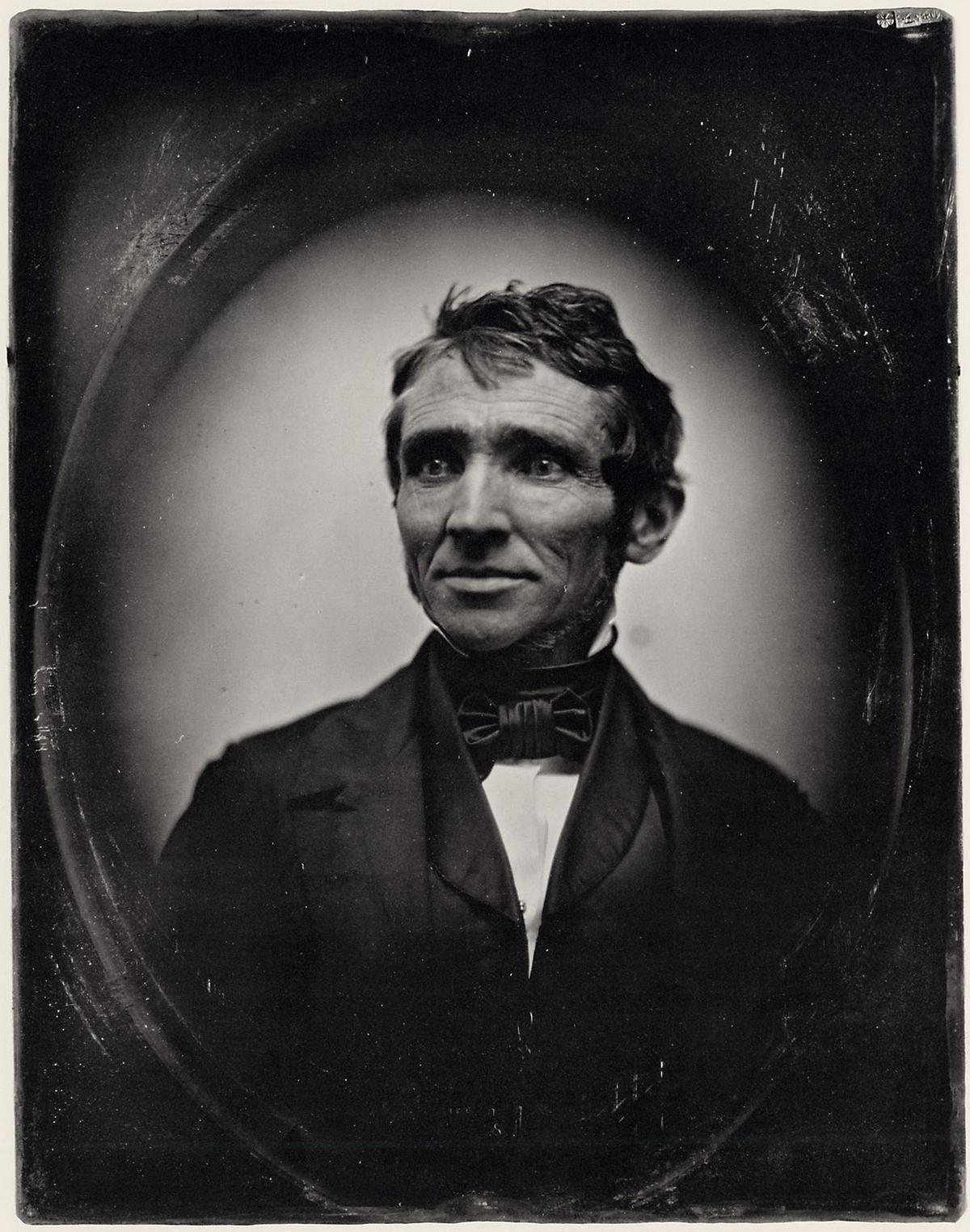
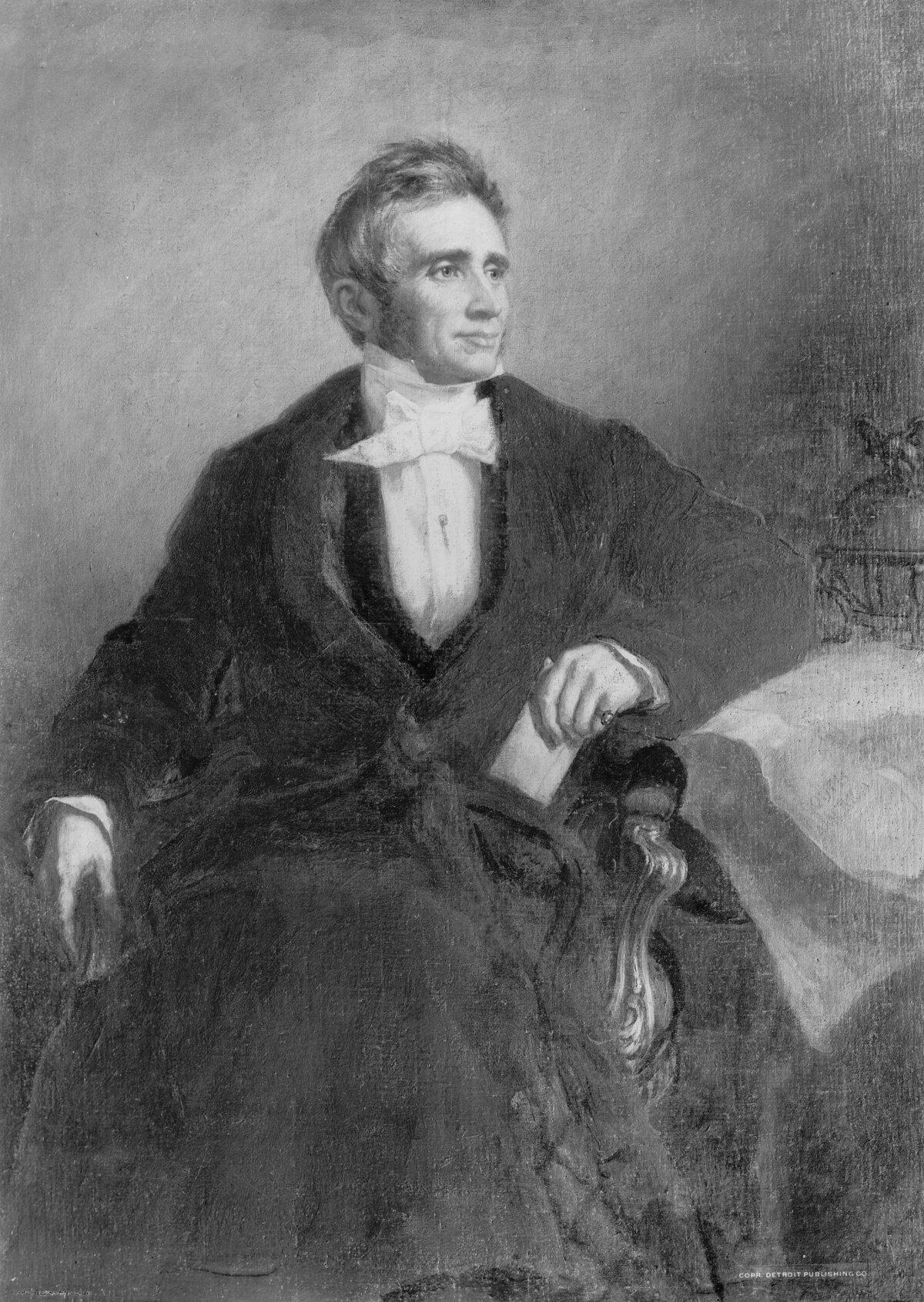
Charles Goodyear was born in 1800 in New Haven, Connecticut, into a family connected to small-scale manufacturing. As a young man, he drifted through a series of commercial ventures, none of them successful. His failures were not unusual for the era, but they left him financially vulnerable. He encountered the volatile promise of rubber in the early 1830s.
At the time, rubber was a material full of contradictions. Imported primarily from South America, it was elastic and waterproof, yet fatally unstable. In cold weather, it hardened and cracked; in summer, it softened, sagged, and often rotted outright. Early American manufacturers rushed rubber goods to market—boots, raincoats, medical items—only to face lawsuits and bankruptcy when the products decomposed. By the mid-1830s, much of the early U.S. rubber industry had collapsed.
Persistence at the Edge of Poverty
That belief came at a steep cost. Goodyear poured every available dollar into experiments, often borrowing money he could not repay. He was imprisoned on several occasions, including periods when he continued experimenting in jail cells using makeshift tools. His family lived in near-constant poverty, frequently dependent on charity. Friends and relatives urged him to abandon the pursuit, but Goodyear remained convinced that success was always just one experiment away.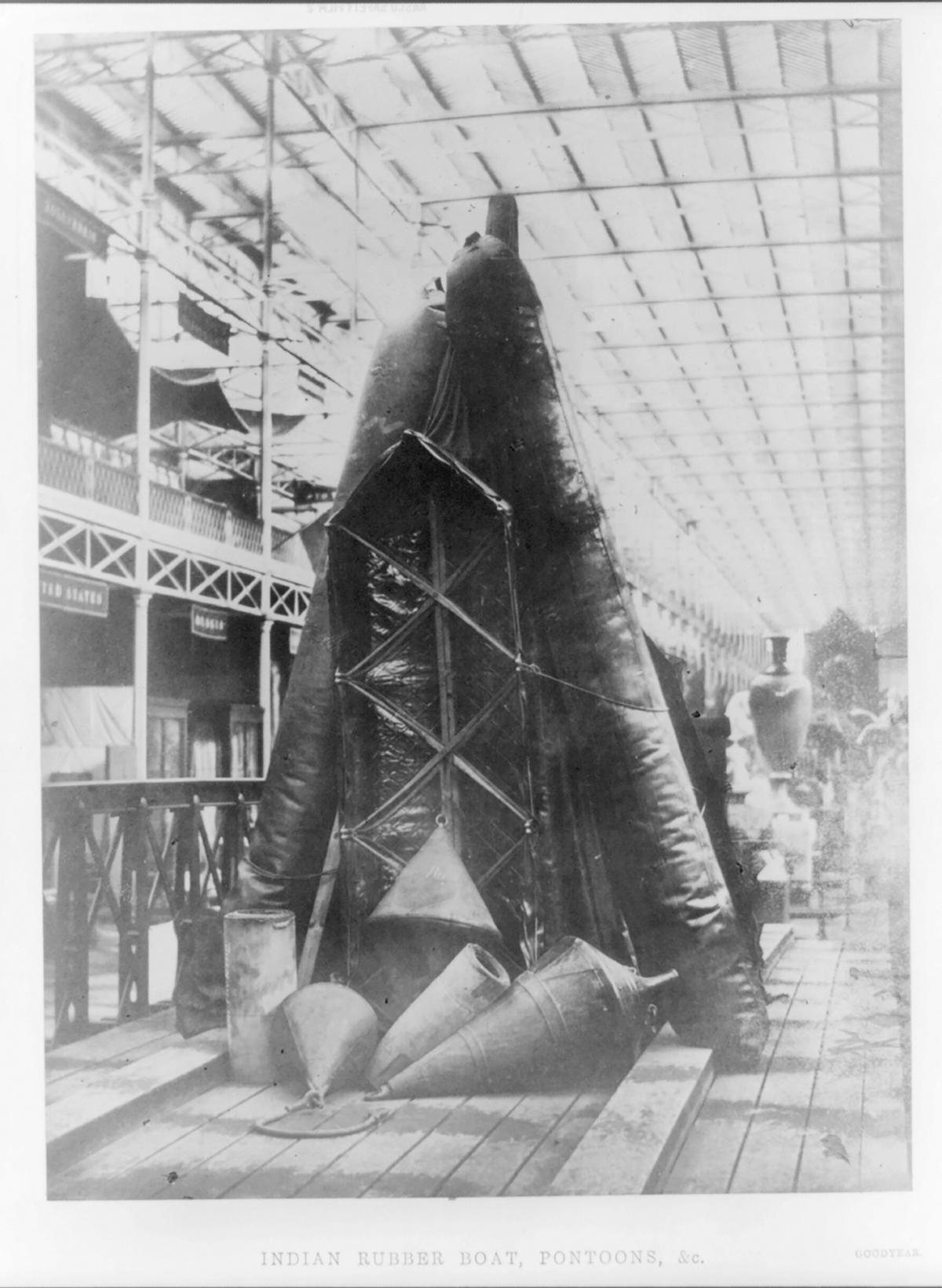
Through trial and error, Goodyear discovered that sulfur played a critical role in stabilizing rubber. Others before him had mixed sulfur with rubber but without consistent results. The pivotal moment came around 1839, when Goodyear accidentally heated a rubber-sulfur mixture—accounts differ on the precise circumstances—and observed that it charred without melting. When cooled, the material remained elastic and no longer responded destructively to heat or cold.
Though Goodyear did not understand how or why the process worked, he immediately recognized its importance. Heating rubber with sulfur created a material that was durable, flexible, and stable across a wide range of temperatures. This was the essential breakthrough. The process would later be named vulcanization, after Vulcan, the Roman god of fire—a name Goodyear himself embraced.
A Discovery That Reshaped Industry
Meanwhile, vulcanized rubber transformed American manufacturing. It made possible durable belts for machinery, reliable hoses, gaskets, seals, footwear, and eventually the industrial infrastructure needed for modern transportation. Rubber became essential to factories, railroads, and later electrical systems. Yet Goodyear saw little of the wealth his discovery generated.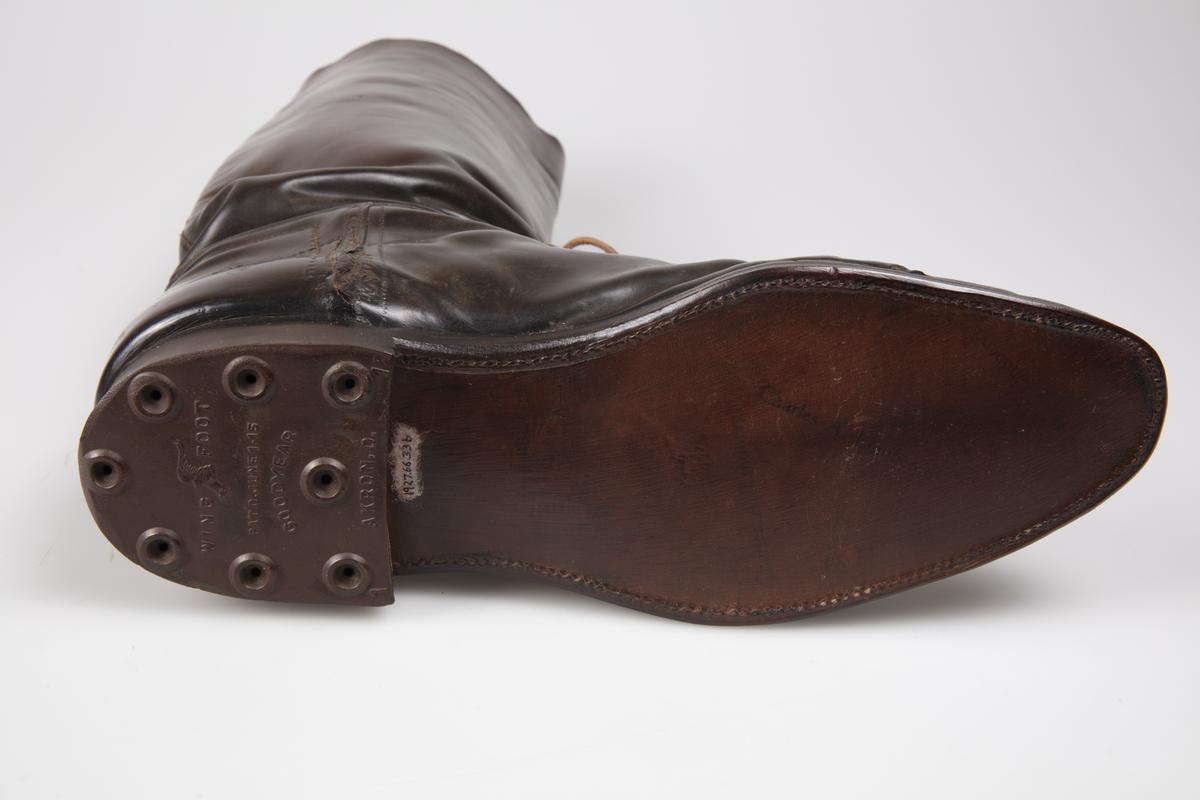
Despite the hardships, Goodyear’s optimism never faded. He believed not only in his process but in the idea that innovation itself justified sacrifice. Even as his health deteriorated, he remained focused on improving rubber applications rather than securing personal profit. When he died in 1860 at the age of 59, he was more than $200,000 in debt—a staggering sum for the era. One obituary compared him to the “poor wise man” of the Book of Ecclesiastes.
Goodyear did not live to see the automobile age, the explosion of rubber demand, or the global industries built on his work. His posthumous recognition came indirectly. In 1898, nearly four decades after his death, Frank Seiberling (1859–1955) founded the Goodyear Tire & Rubber Company in Akron, Ohio. Charles Goodyear had no involvement with the company, but its name honored the man whose discovery made the modern rubber industry possible.
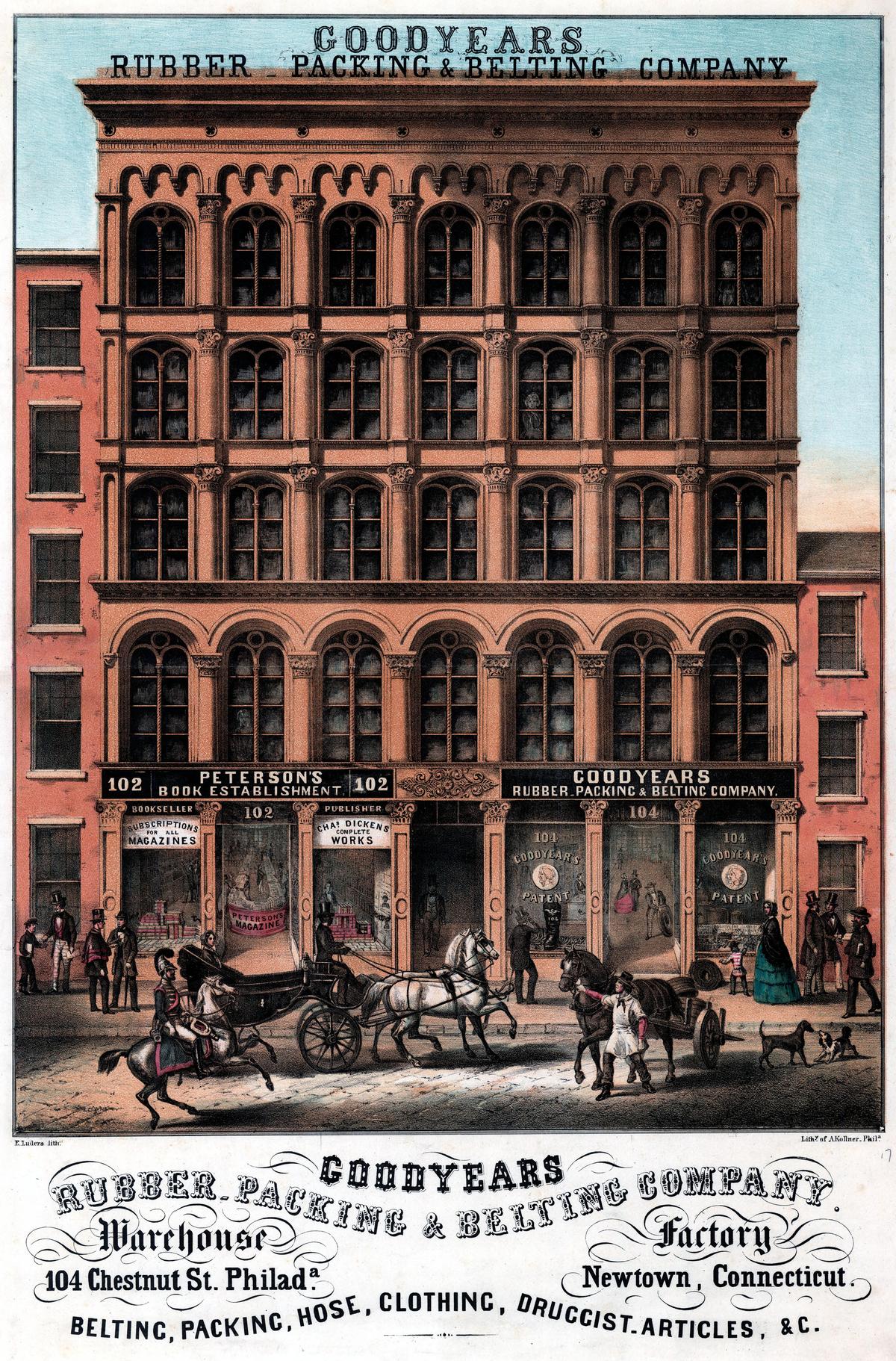
Today, the Goodyear Tire & Rubber Company stands as one of the world’s largest tire manufacturers, producing tires for automobiles, aircraft, commercial trucks, and industrial uses. Headquartered in Akron, it operates globally and remains a cornerstone of American industrial history, a testament to the enterprising role vulcanized rubber plays in modern life.
Charles Goodyear’s legacy is thus both triumphant and muted. Despite its blemishes, it is still a distinctly American tale of ambition, struggle, and success on a grand scale. He transformed an unstable curiosity into a material essential to the modern world, all without understanding the chemistry behind it.
His life serves as a reminder that innovation does not always reward its creators, and that optimism—while powerful—can come at great personal cost. Yet without that stubborn faith, rubber might never have been tamed, and the modern industrial age would look very different indeed.