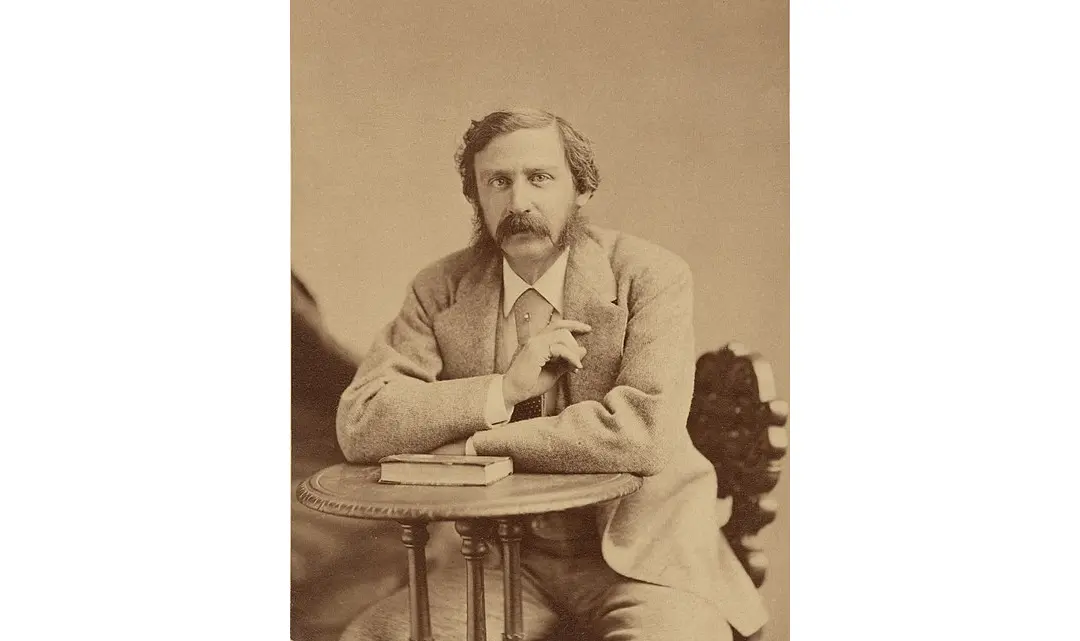
Charles Curtis, the 31st vice president of the United States, in a photo series called "Hot Weather Cabinet," showing a relaxed Curtis in an informal pose during the early summer months of Hoover's administration. Library of Congress. Public Domain
Before vice presidents became media fixtures and campaign celebrities, Charles Curtis climbed one of the most unusual political ascents in American public life. Born in Kansas Territory before statehood and raised amid the hardships of frontier life, Curtis rose through legal apprenticeship, political discipline, and an instinct for compromise to become vice president of the United States under Herbert Hoover in 1929.
Few politicians from territorial Kansas climbed further in national politics than Curtis. He grew up in modest circumstances, lost his mother at a young age, and spent decades mastering the procedural workings of Congress. Though his tenure as vice president was overshadowed by the onset of the Great Depression, Curtis became one of the Republican Party’s most skilled legislative tacticians and, perhaps, one of the most overlooked national figures of his generation.
A Nontraditional Upbringing
Curtis was born on Jan. 25, 1860, in North Topeka, Kansas Territory, just one year before Kansas entered the Union. His father, Orren Curtis, was of English, Scottish, and Welsh ancestry and served in the Union Army during the Civil War. His mother, Ellen Pappan Curtis, was of one-quarter Kaw ancestry with French heritage through her family line. After her death, Curtis spent much of his childhood with his maternal grandparents near Council Grove, Kansas, where members of the Kaw Nation lived before their relocation to Indian Territory.
Brian D’Ambrosio is a prolific writer of nonfiction books and articles. He specializes in histories, biographies, and profiles of actors and musicians. One of his previous books, "Warrior in the Ring," a biography of world champion boxer Marvin Camel, is currently being adapted for big-screen treatment.