
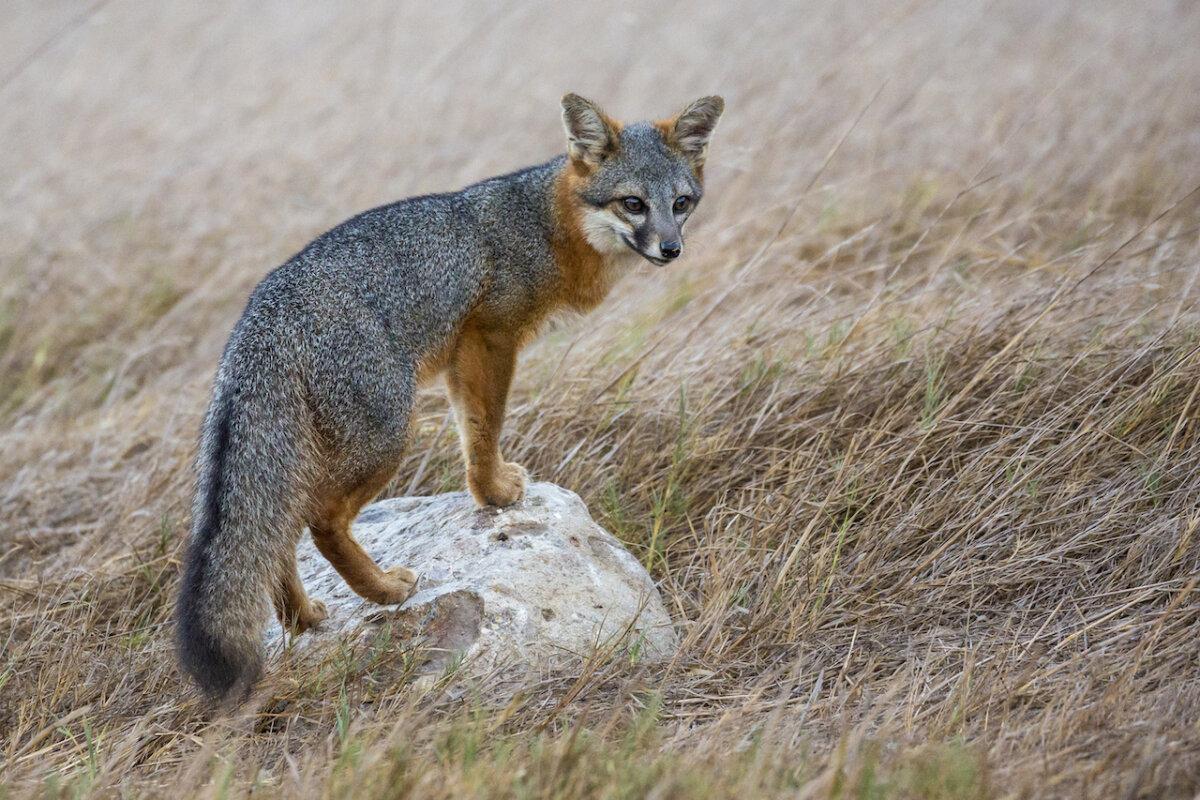
Just an hour-long ferry ride from the coast of southern California is the only place in the world you can see what might also be one of the world’s cutest apex predators: the island fox.
This small gray fox—roughly the size of a large cat—is the top of the food chain at Santa Cruz Island, one of the five islands that make up Channel Islands National Park. Spend some time at the island, and you might just cross paths with one, or several, of these adorable critters. You might also spot the islands’ endemic island scrub jay, a bright blue bird that’s bigger and bluer and has a larger, thicker beak than California scrub jays.
The Channel Islands, often referred to as the “Galápagos of North America,” are considered to be among the world’s most biodiverse places, and a visit to Santa Cruz Island, the biggest and most developed of the islands that make up Channel Islands National Park, offers a one-of-a-kind escape not too far from home, serving up both restoration and adventure on an ambitious weekend jaunt.
“It’s a very special place,” said Michelle Beebe, a wilderness guide at the Channel Islands Adventure Co. “A lot of people don’t even know these islands exist.”
Channel Islands National Park, established in 1980, is one of the least-visited in the U.S. national parks system, with between 300,000 and 400,000 visitors to its mainland visitor center in a typical year and substantially fewer to the islands. That’s a fraction of Yosemite’s more than 4 million visitors per year.
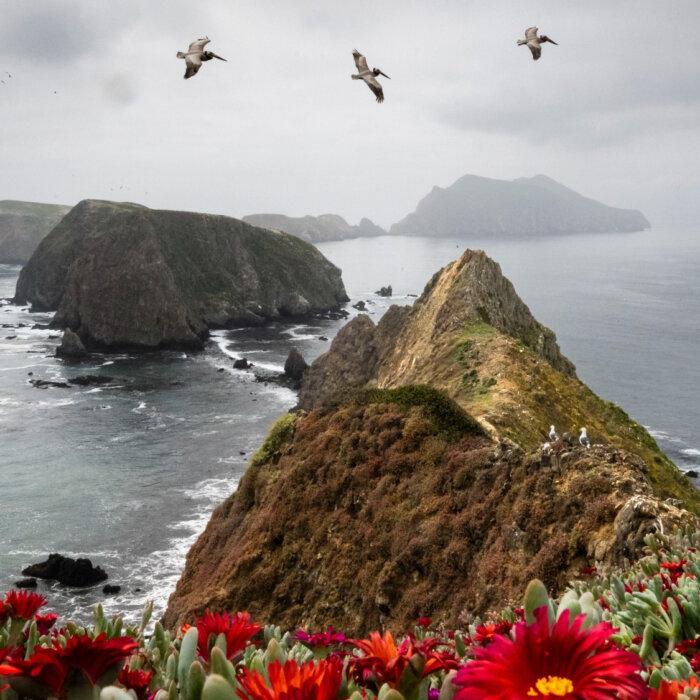
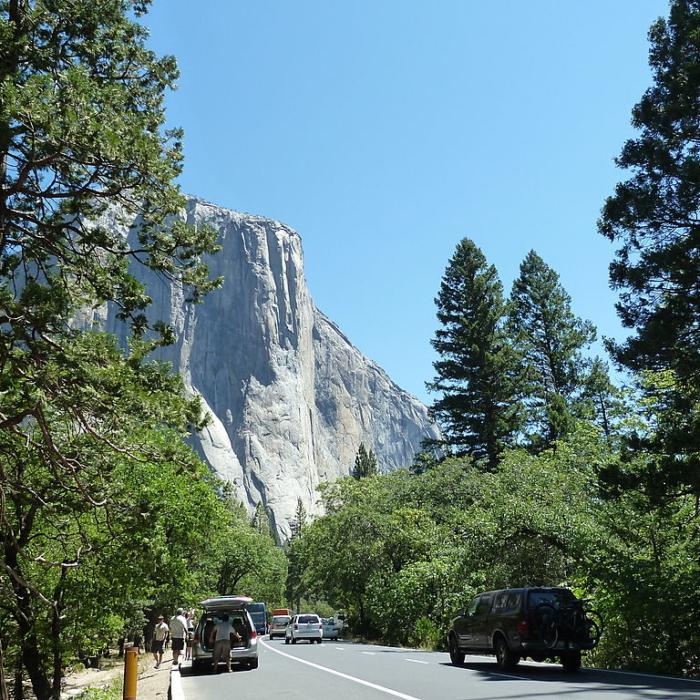
But for those who visit, the remoteness is part of the appeal. These isolated islands have a gentle beauty to them and plenty of adventure for those who want it. On a packed—and wonderful—weekend trip to Santa Cruz Island, I was able to savor a Saturday morning boat ride, kayak through sea caves, stroll along jaw-dropping bluffs amid early spring wildflower blooms, camp in a lush valley meadow, snorkel amid a kelp forest, and trail run up and down a mountain, all in time to catch my Sunday afternoon ferry back home.
The choose-your-own experience starts with the ferry ride across the Santa Barbara Channel. Those with strong sea legs (and stomachs) ride on the upper tier of the ferry, while the smoother seats are indoors and toward the back of the boat. Or, you can stand to the side of the boat and watch for dolphins as the sea foam sprays gently around you. Depending on when you time your boat ride, you might also catch sight of some whales: The channel is a renowned whale-watching destination. Gray whales migrate from late fall to early spring, and humpback and blue whales migrate from late spring to early fall.
Because the islands have been isolated from the mainland of California and the western United States for millions of years, they are home to a number of unique plant and wildlife species. The species evolved to adapt, with some growing larger and others smaller than their mainland counterparts, explaining the larger size of the island scrub jay and the small size of the island fox. Fossils have also been found that indicate that the islands were also once home to pygmy mammoths, which only reached four to six feet tall.
There’s also a long history of humans on the island, covering about 10,000 years and involving both the Chumash and Tongva peoples. More recently, European ranchers occupied the island for about 150 years.
“It gives people hope that we can restore some of these really precious, delicate ecosystems and keep this going for generations to come in the future,” Beebe said.
Kayaking
Once you arrive at the island, consider seeking out the Channel Islands Adventure Co., which offers guided sea cave kayaking and snorkeling outings you’ll want to book ahead of time. They’re not cheap, but the price is well worth the opportunity to paddle through the sea caves formed from eroded volcanic rock, such as the Painted Cave, considered the largest sea cave in California and the world’s fourth-longest at 1,227 feet. The cave’s kaleidoscopic colors come from the contrast of the rocks’ hues and those of the various lichens and algae that cover them. In some sea caves, harbor seals rest in the quiet shade.Camping
If you’re planning to stay overnight at Santa Cruz Island, you’ll need to book a campsite ahead of time at Scorpion Canyon Campground. The campsites are nestled in a shady valley about a half-mile walk from the ferry port. You’ll need to bring all your overnight materials with you on the ferry from the mainland, because the amenities on the islands are limited. However, pit toilets, picnic tables, water, and food storage boxes are provided. Learn more at Recreation.gov.Hiking
Looking for a hike with one of the most rewarding steps-to-vista ratios out there? Hike the two-mile Cavern Point Loop. Hike up a hill to the bluffs, and from there, you can see the California coast just on the horizon across the Santa Barbara Channel. From there, you can also continue on a relatively flat additional two miles each way to Potato Harbor (for a 5.2-mile round-trip hike), a vista point perfect for a spontaneous picnic, with truly spectacular coastal views the entire way.Snorkeling
For many, a visit to the Channel Islands isn’t complete without an exploration of the surrounding waters, which make up the Channel Islands National Marine Sanctuary, protecting the 1,470 square miles of ocean water that surrounds the northern Channel Islands. The water is cold, so consider renting a wetsuit from Channel Islands Adventure Co. before you dive in. As you paw your way through the thick kelp forest, keep an eye out for fish such as the bright orange Garibaldi—the California state marine fish—and the California sheephead.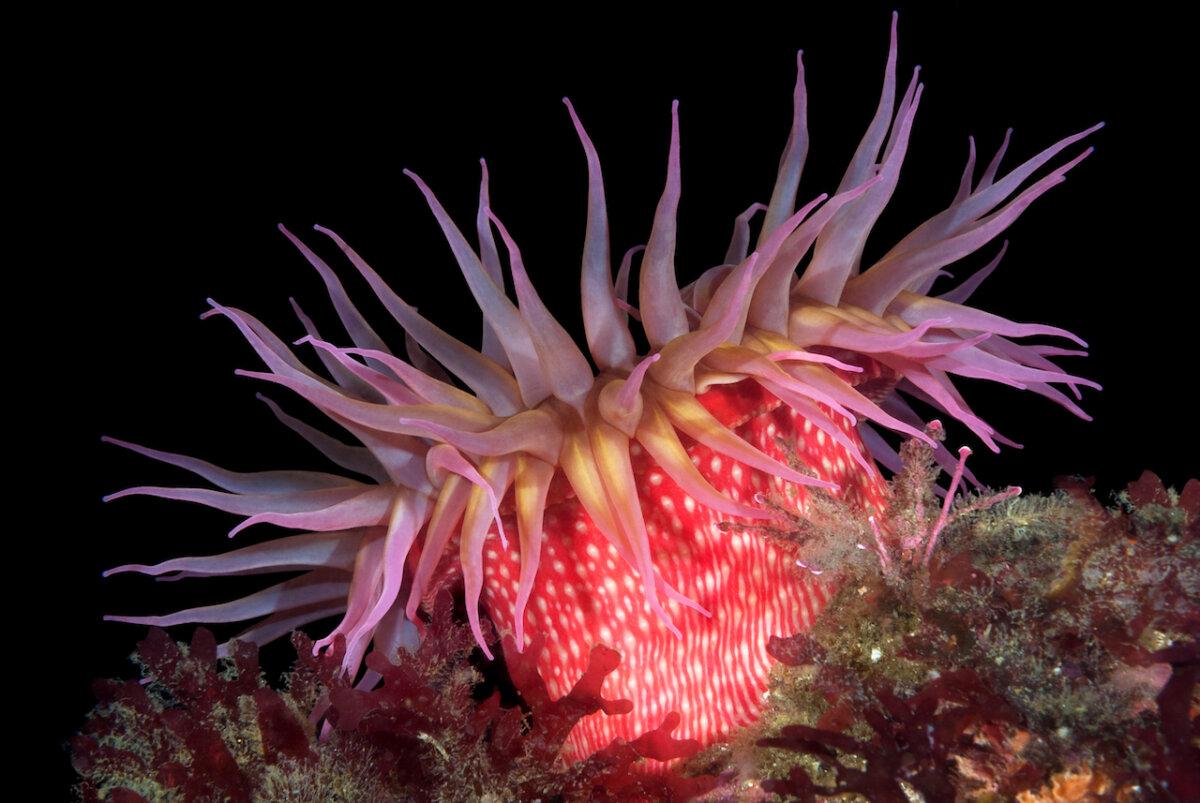
Further Exploration
Santa Cruz Island is just one of five that make up Channel Islands National Park, and although it’s not part of the national park, Catalina Island, located farther south, is also considered part of the eight-island Channel Islands archipelago. The other islands within the national park—Anacapa, Santa Cruz, Santa Rosa, San Miguel, and Santa Barbara—are more remote with more limited ferry services, but they offer greater isolation and backcountry opportunities.Anacapa Island, for instance, has no services aside from some primitive campsites, a lighthouse, and limited hiking options, but is also a major seabird rookery from April to August, which translates to lots of bird poop, noise, bird carcasses, and territorial bird behavior.
“If visitors consider these conditions adverse, it is advised that they visit another island,” according to the National Park Service.