Damage that high off the ground is probably not caused by hitting the tree with a mower or string trimmer. That leaves us with sunscald as the most likely cause.
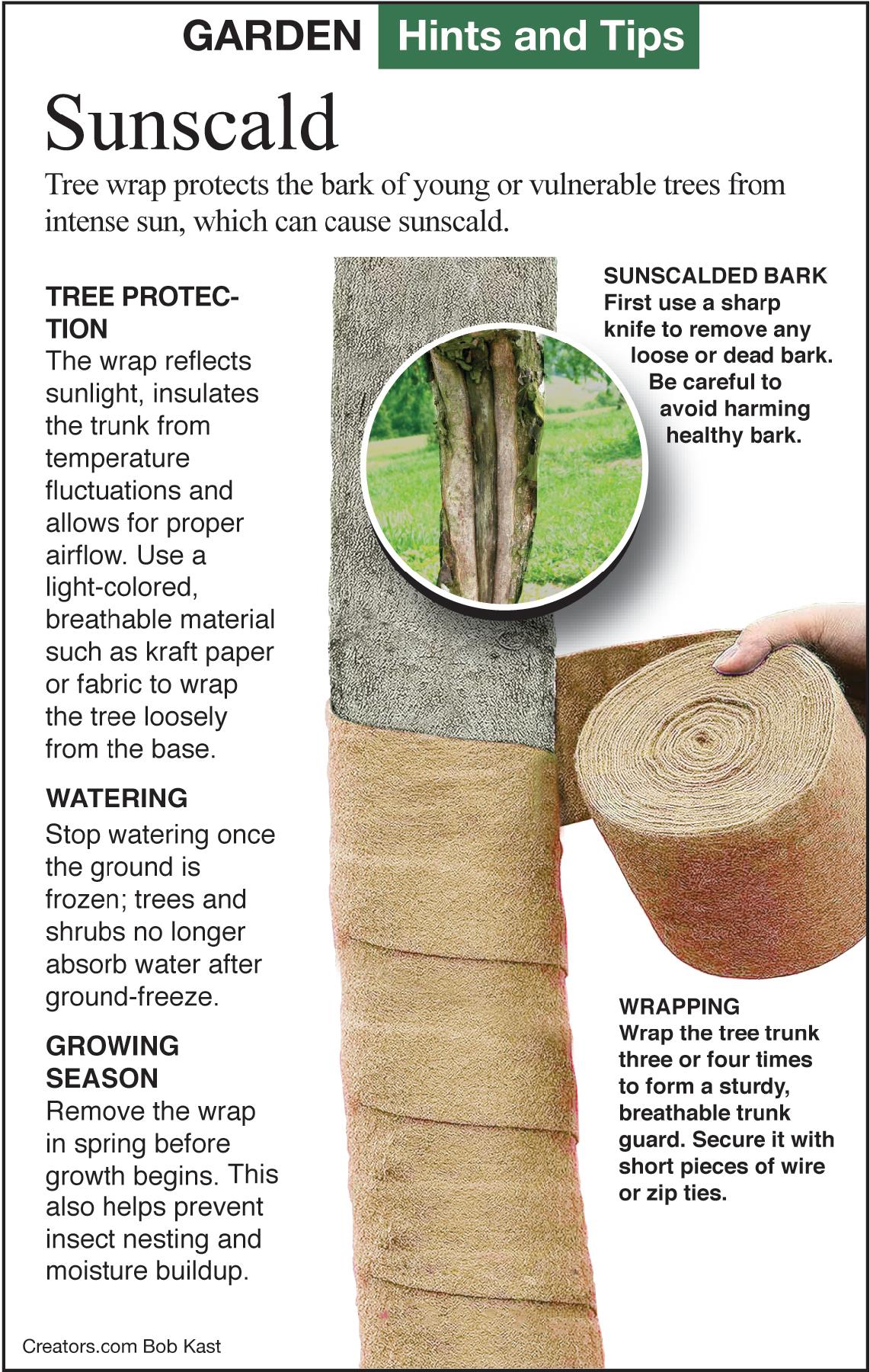
Sunscald is an environmental problem that is often found on small trees within a few years after they are planted in the landscape. As trees in northern climates go dormant in the fall, they produce sugars and other chemicals that act as antifreeze to protect the cells that are full of sap. On a bright, sunny winter day, the south-to-west side of the tree trunk will receive direct afternoon sunlight, which will warm it up. The cells on the warm side start to break dormancy and consume the sugars. When the sun sets, temperatures drop rapidly. The cells that now don’t have enough antifreeze will freeze and rupture, and the sap between the cells will also freeze. The bark above the dead cells eventually dries out and breaks apart.
The dead bark can hide the damage for a few years, but eventually, the rest of the tree trunk that is growing larger each year will expose the dead area that hasn’t been growing. The dead bark can hide insects and decay organisms that will further damage the tree trunk. It is a good idea to remove the dead bark that is covering the damaged trunk. This may not look as nice, but it exposes the wood under the damaged area to dry air and sunshine. This prevents decay organisms from growing and makes it easy to see any potential insect problems.
In a woodland, small trees are shaded during parts of the afternoon by other trees. This prevents the tree trunk from getting warm enough to start cell growth. In a tree nursery, trees are planted close enough together to shade each other, which also prevents the problem. When you buy the tree and plant it in a yard all by itself, it may develop sunscald. I have seen every tree on one side of the street in a new subdivision develop sunscald because they’re all being exposed to the sun on the sunny side of the street. Trees planted in the fall that don’t have large root systems and can’t gather much water seem to develop the problem more often than trees planted early in the year.
Thin-barked trees such as birch, maple, and willow seem to develop the problem more often than oaks or hickories. Trees can develop thicker bark on the south and west sides of the trunk, but if the tree comes from the nursery and is planted in a different orientation, the thicker bark doesn’t help.
Now that you know your tree has a problem, even if it wasn’t from sunscald, what do you need to do? Clean up the wounded area. Scrape out any soft, rotting wood. Applying a fungicide to the exposed wood can help prevent decay. Do not paint it or apply any kind of tar. These materials can harm living tissue. They seal in any decay organisms where they can thrive, and you can’t see them or their damage. You should be able to see a round roll of new tissue coming in from all sides of the damaged area that will cover and seal the area in a couple of years.
Since less water will reach the top of the tree, water and fertilize the tree in the spring. Watch the tree for insect or disease problems and treat them as necessary.
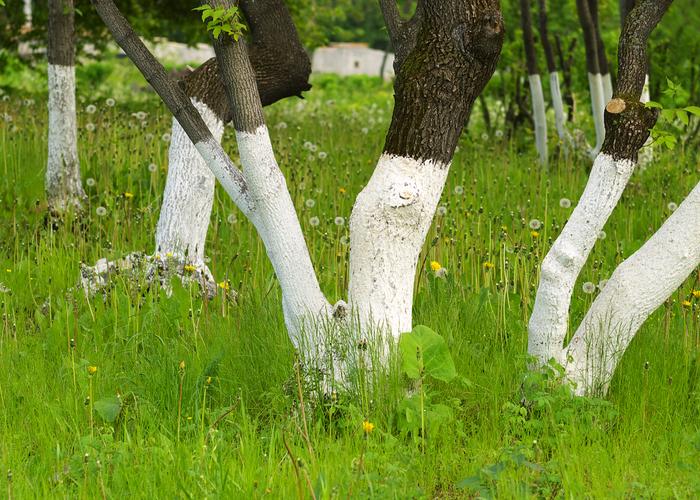
It may be too late for this tree, but other thin-barked trees that have been planted in the past couple of years can benefit from a tree wrap in the fall. The wrap must be white or light-colored so that it doesn’t warm the trunk and cause the damage it is supposed to prevent. The wrap must be removed in the spring to prevent it from sheltering insects and decay organisms.
Make sure the tree has enough water before the ground starts to freeze. Trees with a ring of mulch wider than the original root ball will retain moisture better.
To see what sunscald looks like, you can watch a video I recently posted on the Greener View YouTube channel.