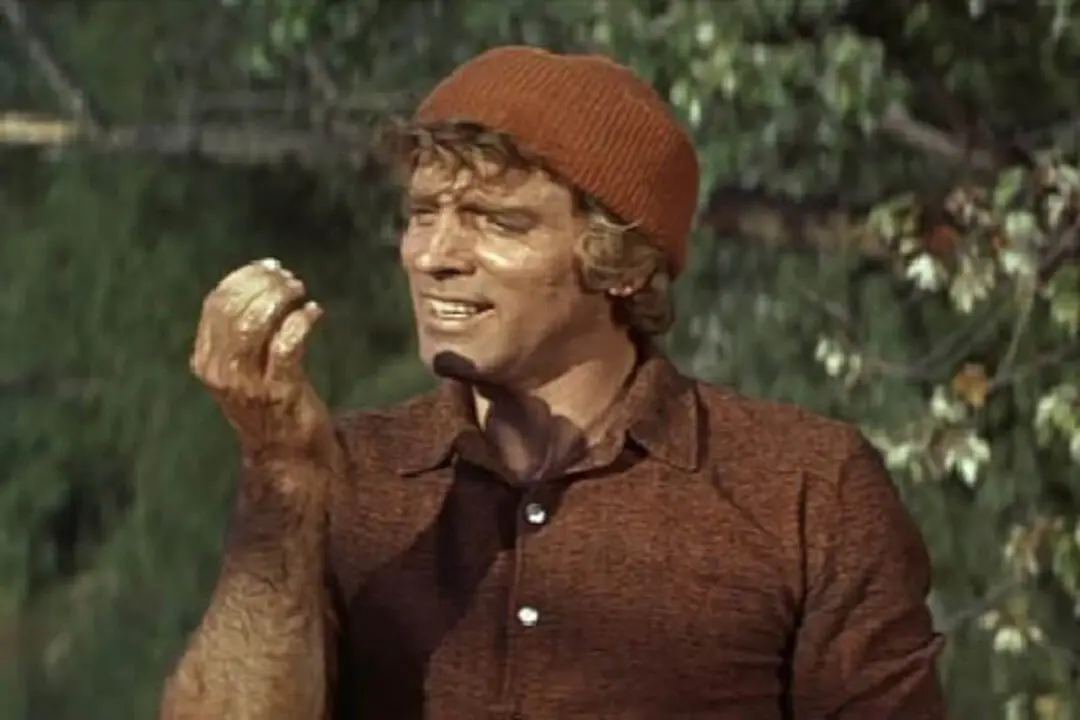
NR | 1h 35m | Drama | 1956
Prescriptions can eventually become something darker for those who take them. The patient starts to change—mood swings, secrecy, dependence, and sometimes even self-harm. Director Nicholas Ray’s “Bigger Than Life” dramatizes this appalling addiction.
The drug here isn’t fentanyl or one of the numerous painkillers that now haunt so many addiction stories—it’s cortisone. In this film, it’s prescribed to save the life of a schoolteacher and family man. However, he begins taking more than he should and lying to get more.
He soon turns unpredictably cruel at home. The movie starts to feel less like a dated medical melodrama and more like a prophecy from the clean-cut suburbs of yore.
School Teacher’s Pills
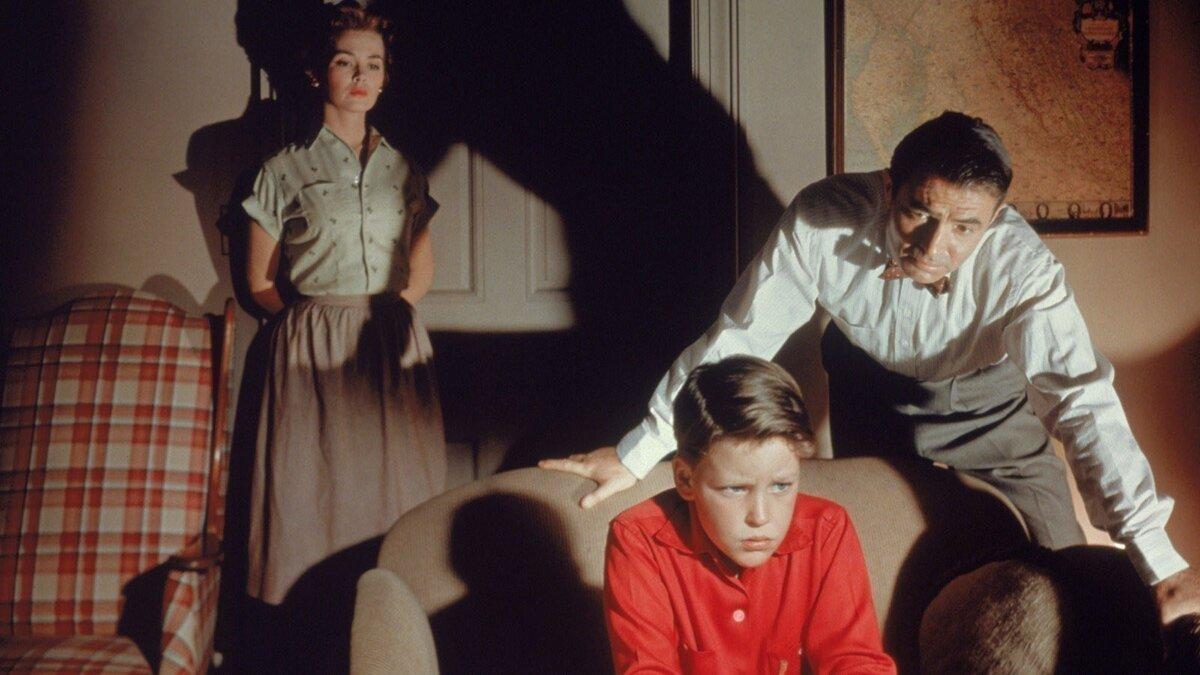
Ed Avery (James Mason) has a steady teaching job, good co-workers, and bills that bite at his ankles. At school, he presents himself as a decent, useful man. At home, he tries to keep to the family routine. Away from both, he secretly works as a cab dispatcher, a small lie born from money trouble and pride.


Illness begins to erode his double life. Soon, Ed’s pain becomes impossible to hide. After a couple of falls, he ends up in the hospital. His doctors put him on cortisone after a serious diagnosis that affects his arteries. Things worsen when, after running numerous tests, the doctors tell Ed and his wife, Lou (Barbara Rush), that he may not have long to live.
After the Damage
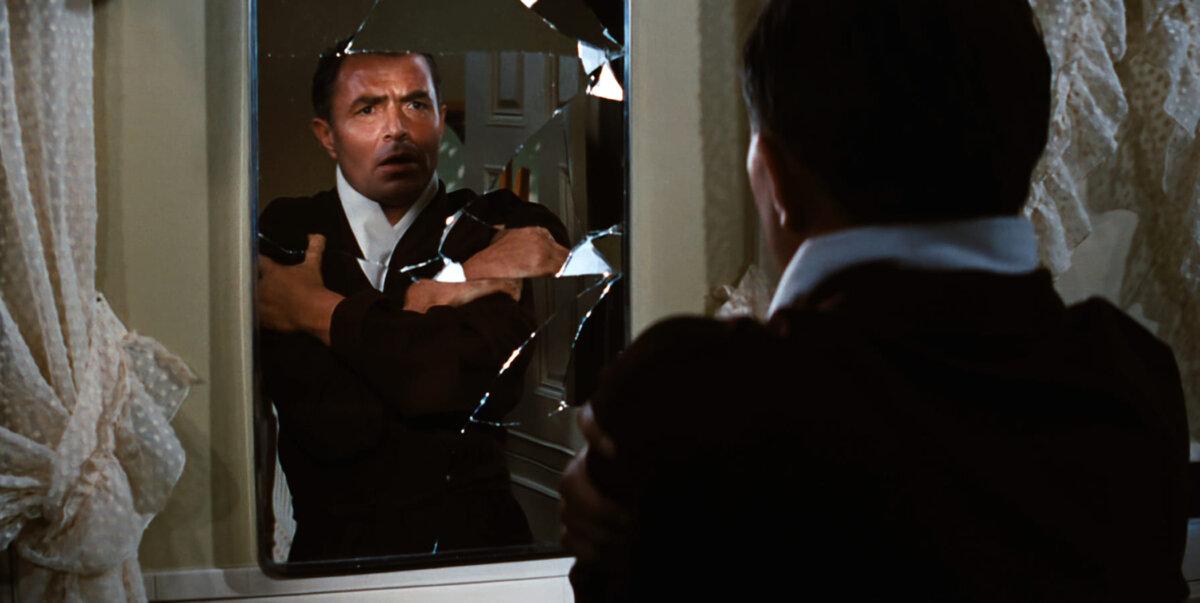
Nicholas Ray’s direction turns 1950s respectability into something brittle. The picture has bright colors, wide frames, and tidy suburban rooms, yet the neatness starts to feel accusatory as Ed’s behavior grows severer.
James Mason is terrific because he never plays at full volume. His character, Ed, can sound thoughtful, funny, and even charming at times, then he drifts into condescending lectures.
When his wife and son realize that the man they’ve known has disappeared, they’re already trapped in the same house with whatever has taken his place. Walter Matthau plays Ed’s co-worker and friend Wally Gibbs. Wally can see that something has gone terribly wrong, though the outside world remains slow to treat a respectable man as a threat.
This film is so effective because every location feels like the ordinary places we inhabit in our daily lives. From common workspaces to comfy suburbs and neighborhood meetings, none of these places belong in a horror movie.
Nevertheless, Ray finds plenty of dread inside each of them. The whole picture keeps asking one ugly question: What happens when the person everyone depends on becomes the person everyone fears?
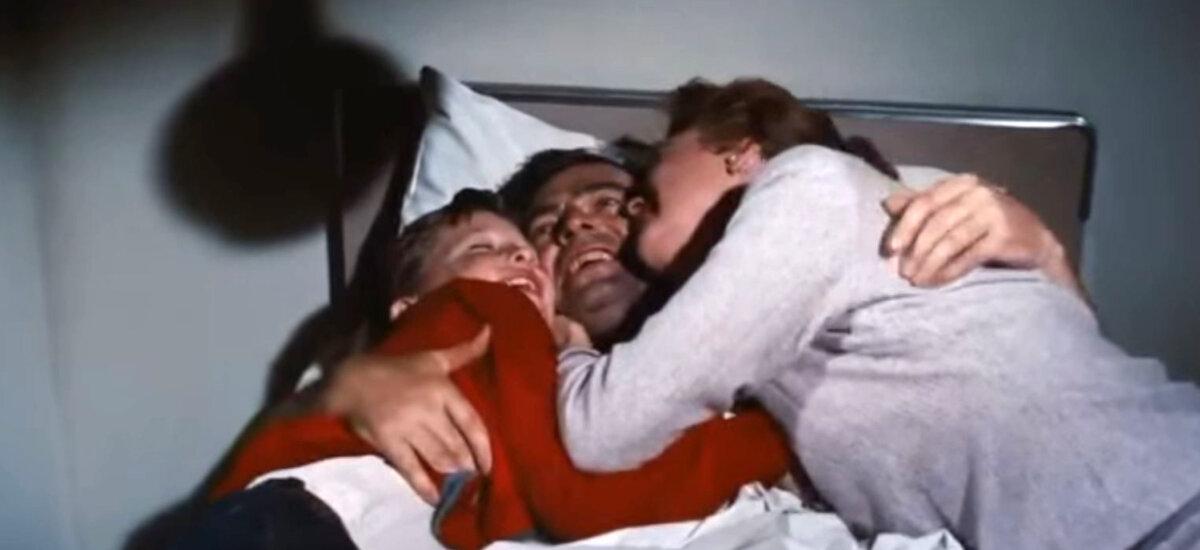
I also found that the film pairs well with “Days of Wine and Roses,” the 1962 Blake Edwards film. In that movie, Jack Lemmon’s character’s alcoholic spiral drags Lee Remick’s character into the same tumultuous waters. However, “Bigger Than Life” uses medication instead of alcohol. Its illness angle gives the story a different perspective, since the original prescription was meant to save a life.
Admittedly, some scenes are rather hard to watch if health problems have already visited your family. Still, the story does close with enough hope to keep it from feeling like a purely punishing experience.
“Bigger Than Life” sends a useful message across the decades. When the body or mind starts to degrade, a person should reach for help before the people closest to him become involved in the crash site.