In our plastic-filled world, it can be challenging to avoid plastics. This is especially true in the kitchen, where microplastics abound. These tiny plastic particles are sometimes intentionally manufactured for particular products, but more often are fragments that result from larger plastics breaking down. They are found in the air, water, and food.
There’s an ongoing debate in the scientific and medical communities about whether microplastics are harmful. Research is ongoing but is currently still inconclusive.
Chris DeArmitt, polymer and environmental scientist as well as founder and president of the Plastics Research Council, told The Epoch Times, “When it comes to microplastics, we have over 50 years of studies showing no evidence of harm.” He added, “Recorded mortalities due to plastic dust is zero because they are non-toxic and non-carcinogenic.”
However, Dr. Paul Savage, chief medical officer at MDLifespan, told The Epoch Times: “Microplastics are both a health and environmental risk. They can disrupt the endocrine system, contribute to oxidative stress and carry harmful chemicals like BPA (bisphenol) and phthalates.”
Dr. Savage said that microplastics persist for decades, harming marine life and contaminating the food chain.
In the kitchen, you’ll find microplastics in plastic food storage containers, cooking utensils, cutting boards, and dishwashing pods. Melamine foam sponges have microplastics. Cardboard milk cartons, including soy and nut, are made out of 20 percent plastic and 80 percent paper, according to Eartheasy. Metal cans are also lined with plastic, and coffee cups that appear to be made of paper are often lined with plastic.
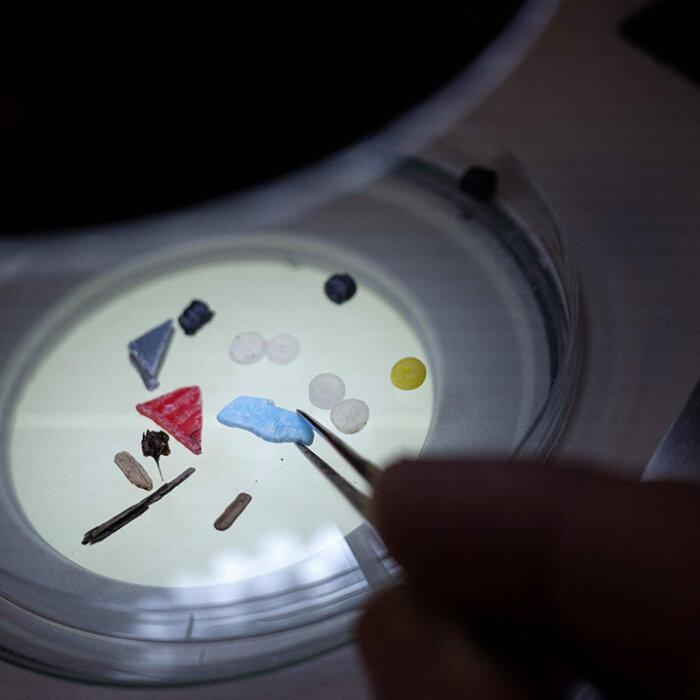

So, eliminating microplastics entirely may be difficult. But if you’re concerned, there are alternatives to everyday products that you can use.
Plastic Cutting Boards
Plastic cutting boards can shed microplastics when you cut directly on them. According to Food & Wine, plastic cutting boards can expose you to millions of microplastic particles per year.Although there’s been a controversy around the cleanliness of using hardwood cutting boards for food preparation, a ResearchGate study demonstrated that wooden cutting boards don’t retain any more microbiological residue than do polyethylene boards.
Keep in mind that you want a solid cutting board, and although the assembled wooden cutting boards are attractive, they’re held together with glue that contains microplastics.
Cooking Utensils
Plastic spatulas, spoons, and tongs release microplastics when exposed to high cooking temperatures. Replace them with stainless steel, wood, and high-quality silicone utensils. These can withstand heat without degrading, unlike plastic materials.Microfiber Towels
Microfiber towels are convenient because of their ability to absorb a significant amount of liquid and dry quickly. However, they are made from synthetic fabrics—primarily polyester and polyamide—which are derived from plastic.The friction against another surface releases microplastics. They also release them when washed.
Instead of synthetic cloths, use fabrics made from natural fibers. Cotton is highly absorbent and durable. It makes an excellent alternative. Other options include pure linen and hemp.
Plastic Wrap or Plastic Bags
Plastic wraps and zipper bags are a large source of microplastics in the kitchen. Swap out disposable plastic wraps with beeswax wraps. It is a natural and reusable alternative. And it also helps the environment. You can compost beeswax wraps after six to 12 months of use.Use silicone storage bags to replace those plastic zippered bags. Silicone bags can be frozen, boiled, and thrown in the dishwasher. Though synthetic, silicone has a different chemical structure than plastic and won’t break down into microplastics.
Plastic Storage Containers
Plastic food containers are said to leach chemicals and shed microplastics. It primarily happens when used to heat food. Glass containers are completely microplastic-free and won’t release any harmful substances into your food.The bonus is that glass is more durable, resists stains and odors, and can be safely frozen. Purchase the glass containers with silicone lids instead of plastic ones.
Teabags
Many teabags are made of plastic that releases microplastic particles when steeped.However, loose-leaf tea doesn’t contain microplastics. Use a stainless-steel infuser or teapot with a built-in strainer to make a cup of your favorite brew. Besides avoiding microplastics, you may find loose-leaf tea more flavorful.
Plastic Water Bottles
Plastic water bottles release microplastics when exposed to sunlight or heat. Instead of plastic, use stainless steel reusable water bottles. Besides eliminating microplastics, they won’t retain flavors or odors.You’ll also find that stainless steel water bottles withstand drops and bumps better without cracking. Many bottles come with protective silicone sleeves that improve grip and give extra protection from damage due to drops.