Criminal enterprises involving organized crime, as well as drug and human trafficking, are using the money they con from unsuspecting consumers.
Scams
Here are some common Social Security scams.Security Update Scam
According to the SSA OIG, the security update scam is relatively new. You’re sent an email that claims to be from the SSA. It reads “Official Notice: Download Your Social Security Statement Now. -ID:70S802.” This is not an official SSA notice. Remember, government email addresses have .gov as part of the address.The email claims that the “Social Security monitoring system has identified a potential error.” It goes on to recommend that you open, download, and install a tool for your computer or device. But the email is not from the SSA, and the tool will compromise your personal data and likely damage your computer system or device, according to the SSA OIG.
Social Security Benefits Scam
With the social security benefits scam, you receive an email with the subject line: “Claim Benefits!“ It states: ”Important: Apply for Your Social Security Benefits Starting in (year).” There will be a link within the phony email disguised as the SSA’s official website. You can tell it’s fraudulent because there’s always a typo or extra dot in it.If you click within the email, you’ll be redirected to a phony website. It will ask you for your birth date and Social Security number. Then the scammers have your personal information.
COLA Scam
Scammers will call or send you an email saying that you’ll need to sign up for the cost-of-living adjustment (COLA).Cash Scam
Criminals are impersonating SSA OIG agents and requesting that the senior meet them in person to hand off cash. Sometimes, they’ll want gift cards or for you to use a payment app.This is a dangerous twist on a known scam tactic. It pressures people into meeting and giving cash or gift cards to the scammer.
Letter Scam
Anytime you receive a letter from SSA, be suspicious. Scammers have become sophisticated in mimicking SSA letterhead. They are only trying to steal your identity or money.Increased Benefits Scam
An unexpected offer to increase or activate a Social Security benefit is from a criminal. The SSA does not do this. Don’t click on links or respond. The scammer will only ask you for your Social Security number and birth date. And then they’ll steal your identity.Text Scam
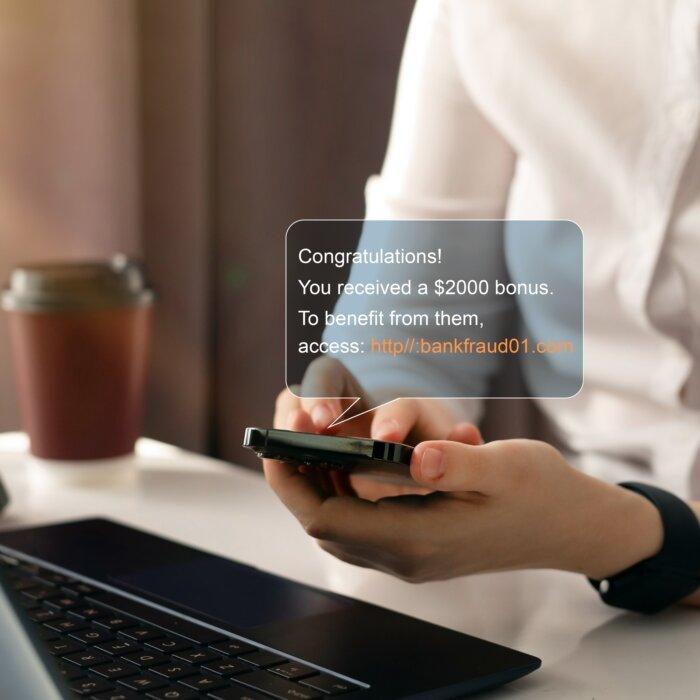
The SSA OIG warns that texts appearing to be from the SSA have appeared on cell phones. The texts say that there is a problem with your Social Security number and request the recipient call a number to resolve the issue, or else the agency will pursue legal action.Signs You’re Dealing With a Scammer
According to the SSA, it’s important to recognize a scam. This lets you protect your personal information and your money. There are various scams, but they all work the same. The SSA recommends following these rules.Scammers will pretend to be from the SSA (or any government organization) to gain your trust. Once they have it, the con begins.
Scammers always claim there’s a problem or prize. The problem could be something like losing your benefits, or it could be the prize of increasing your benefits.
Scammers Are Abundant
Scammers don’t let up, so it’s important to be vigilant. The best course of action is to never talk to or respond to anyone purportedly contacting you from the SSA in any way.The other option is to call or visit an SSA office.