“With me … you will find the spirit of Caesar in the soul of a woman.”
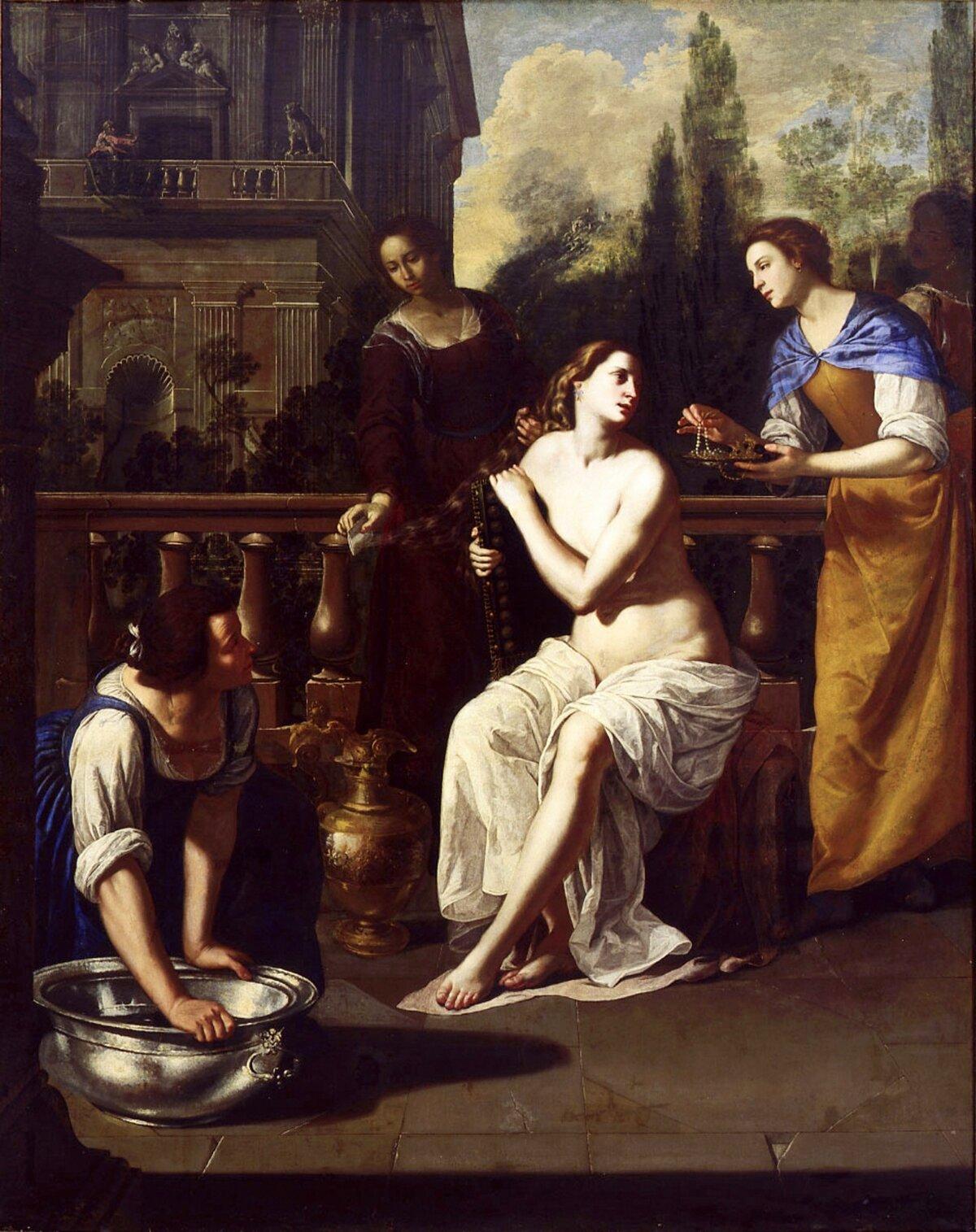
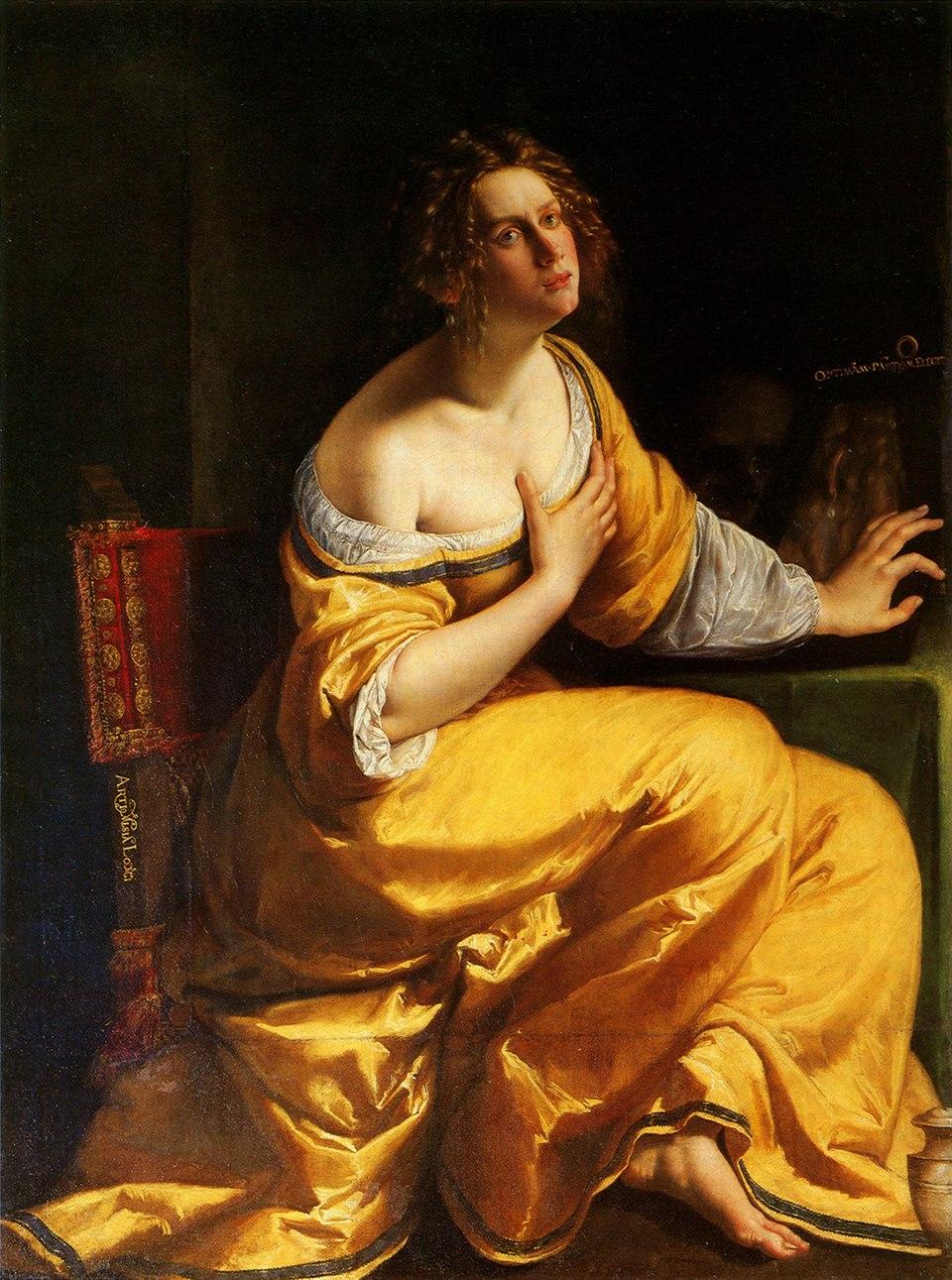
In a letter to her patron, Artemisia Gentileschi (1593–1654) wrote these words not simply as a reassurance of her talent but also as a petition to be paid her asking price. As one of the baroque era’s most compelling and influential artists after Caravaggio, her legacy has often been framed as that of a strong woman who masterfully painted the strong women of biblical history and mythology. Royals from Italy, Spain, and England commissioned scenes of Cleopatra, Bathsheba, Galatea, Judith, Esther, Susannah, and Mary Magdalene, eager to see these characters rendered through her interpretations.
Potential Becomes Destiny
Few women made a career as a painter in 17th-century Rome unless they were born into the trade. Clearly more gifted and driven than her four younger brothers, Artemisia impressed her father, Orazio Gentileschi (1563–1639), and emulated his realist style with such finesse that it is difficult to identify his contributions in her early works.Her first signed and dated painting, “Susannah and the Elders” (1610), reveals not only her mastery of color and figure drawing but also the visceral, Caravaggesque emotionality that would inform her style for decades. Her father later boasted of her talent to the Grand Duchess of Tuscany, claiming that after only three years of training she had no peer.
It was not long after the completion of this painting that the 18-year-old Artemisia endured a series of traumatic events that would shape her destiny. Her father’s colleague, Agostino Tassi, forced himself on her while visiting her at home. Artemisia then had to testify against him in the resulting civil suit that lasted seven months. Though Tassi was convicted, his wealthy patrons ensured that his exile from Rome was never enforced.
Honoring the Medici Family and Michelangelo
In 1563, the Florentine “Accademia delle Arti del Disegno,” or Academy of the Arts of Drawing, was established by the Medici family under the guidance of legendary art historian Giorgio Vasari (1511–1574). It was the first academy of its kind but maintained the traditional policy of excluding women. That changed in 1616 with the admission of Artemisia.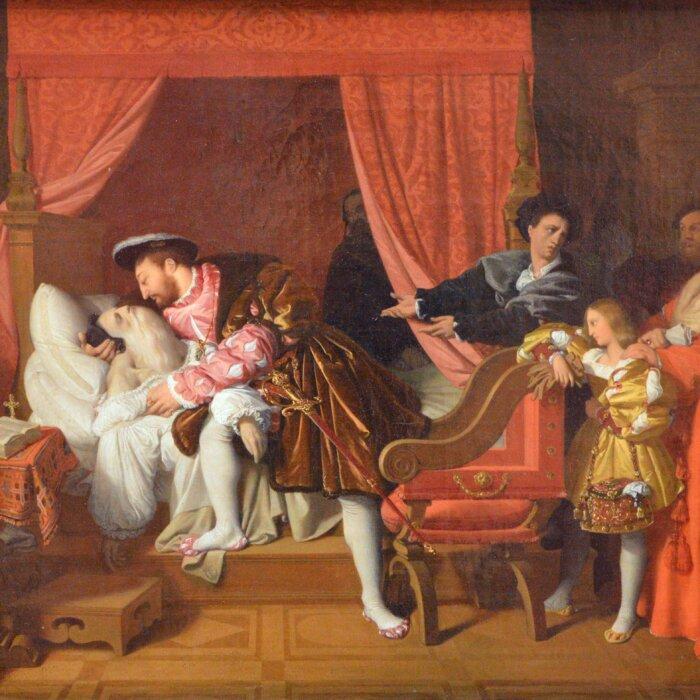
Welcomed into both the academy and courtly life by the Medici family, she made the acquaintance of Galileo Galilei and the great-nephew of Michelangelo Buonarroti, bearing his same name.
Climbing Higher
Each style of baroque painting had its place in a hierarchy of cultural significance. At the bottom, still lifes and landscapes were considered the least elevated subject matter. Next came genre paintings, or scenes of everyday life. Above these were portraits, which could be life-size or larger for depicting royalty or heroic figures.Recognized above all others were the history paintings of religious or mythological narratives. Most often commissioned by the church, these works, especially when created as altarpieces, represented the most prestigious and visible platform for showcasing an artist’s talent.
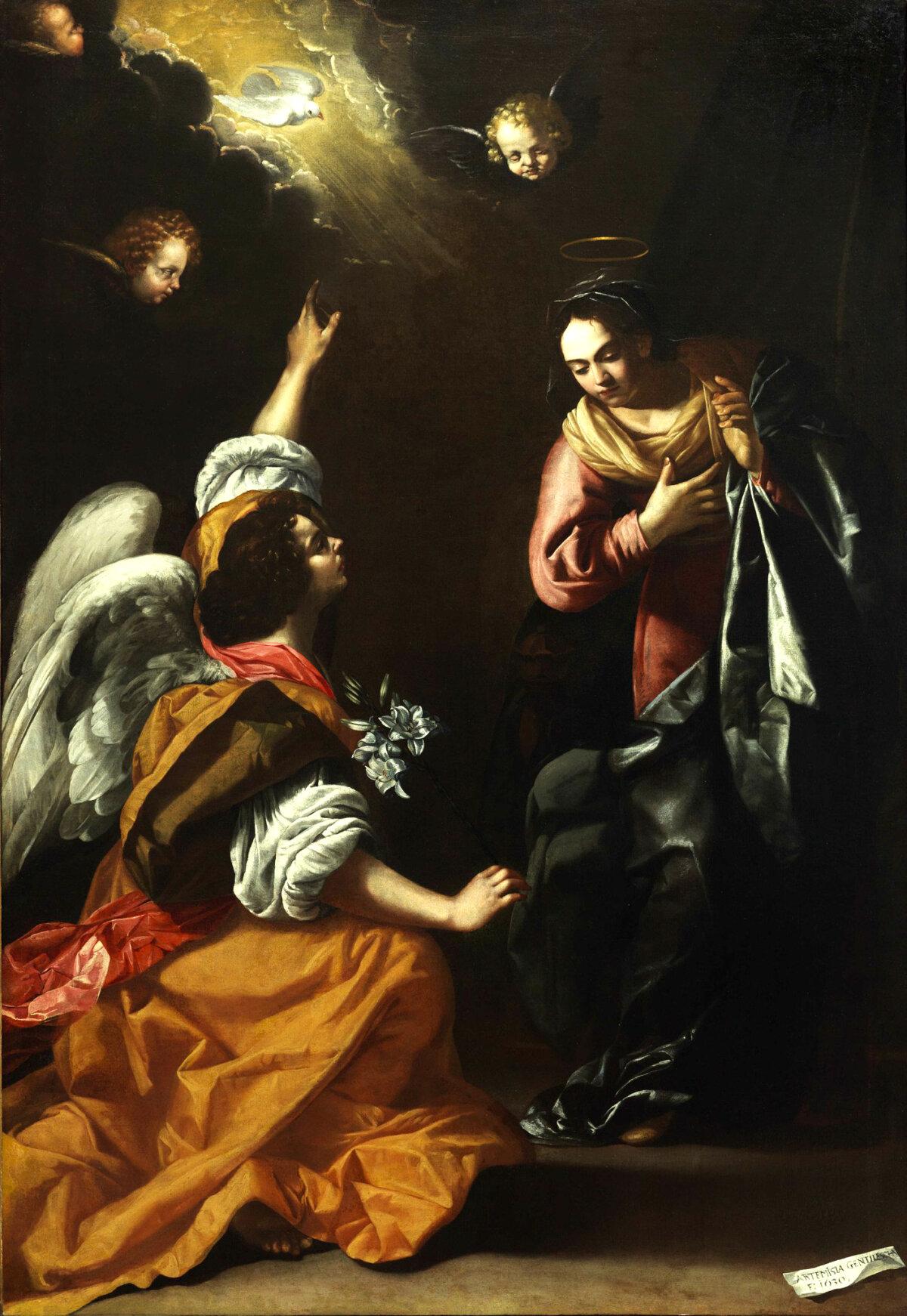
By 1630 she had built her reputation painting in Florence, Rome, Venice, and finally Naples, where she would spend the majority of her career and receive her first commission for an altarpiece. “The Annunciation” (1630) features an intense chiaroscuro contrast between the initial darkness of the room and the radiant dove descending from above the angel Gabriel. His expression is urgent, while Mary bows deeply and reaches for her heart.
Evolution and Epilogue
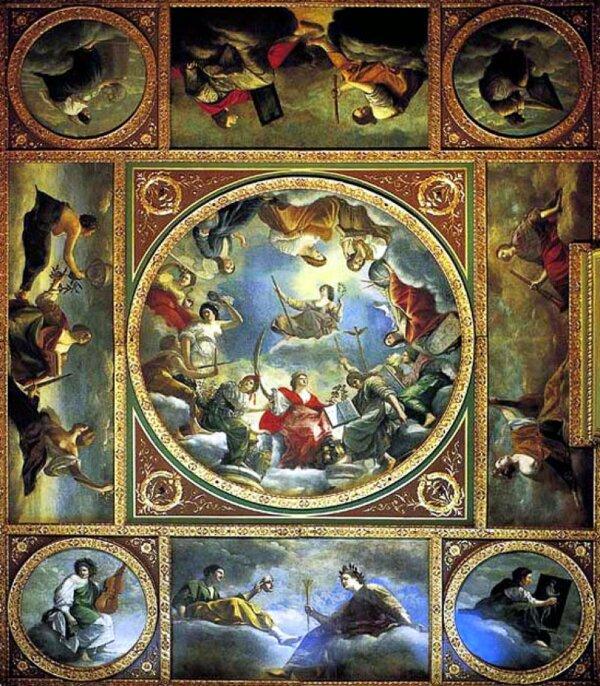
In 1638, Artemisia reunited with her father in London, assisting him with a commission from Queen Henrietta Maria celebrating the reign of King Charles I. Adorning the ceiling of the great hall in the queen’s house in Greenwich, “Allegory of Peace and the Arts” consisted of a central tondo surrounded by eight canvases.
While it is clear that Artemisia painted several figures in the outer canvases, scholars still question whether any of the central figures were also her work. In the early 18th century, the entire painting was removed from the ceiling and reduced in size so it could be transferred to Marlborough House. The resulting distortions in scale and perspective further obscured the subtle distinctions between the father’s and daughter’s brushwork.
Evident throughout Artemisia’s later and most prestigious commissions is a gradual softening toward a more colorful and less contrasting aesthetic. Always devoted to heroic female subjects, her narratives grew more mature and less graphic. Her evolving style reflects her increasing worldliness and connections within the aristocracy.
While in Venice, she was associated with the “Accademia degli Incogniti,” a group of intellectuals in which she played a crucial role in discussions about the evolving role of women in art and society. Records show that she continued to manage her workshop in Naples and to take commissions until August 1654.
It is possible she died during a severe bout of plague that passed through Naples from 1656 to 1658. What remains clear is the ever-growing curiosity to explore her pioneering achievements with new perspective. Infinitely more than a dark, feminist archetype, her inclination to render complex historic characters in their most pivotal moments has lost none of its dramatic authenticity.