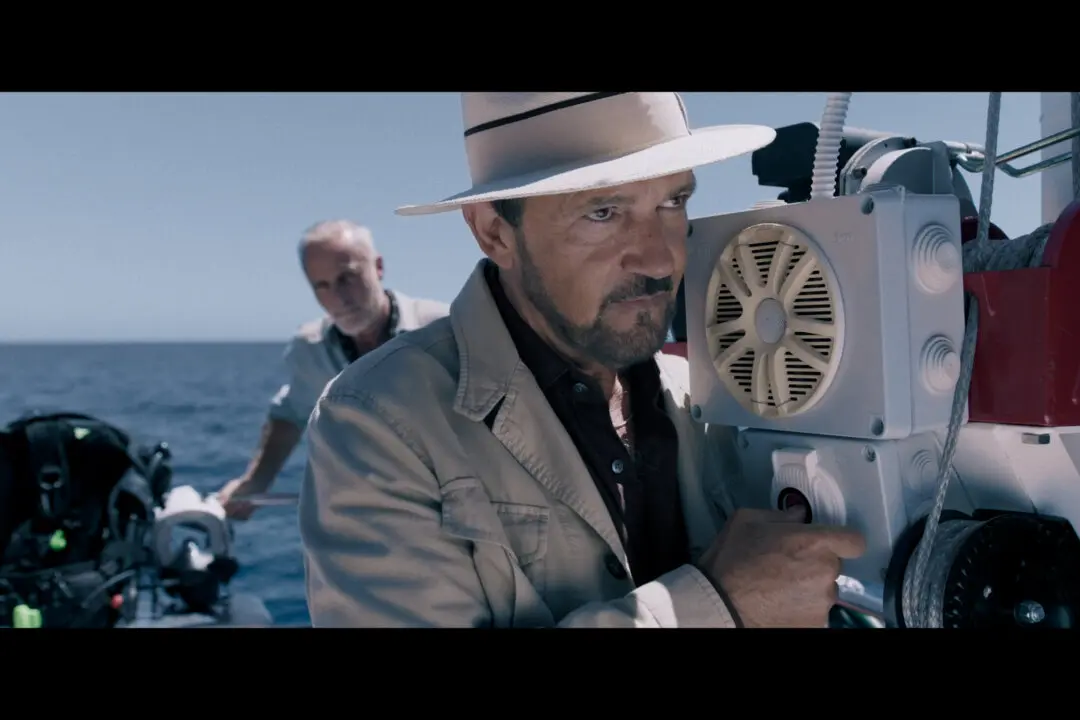
TV-MA | 4 episodes | Documentary | 2025
The coordinated terrorist bombings on July 7, 2005, have been described as the UK’s 9/11. The tragic death toll of 52 lives lost, not counting the perpetrators, is considerably less but still acutely painful for surviving loved ones.
The “7/7” attacks were followed by the further stress of a nationwide manhunt for additional active bombers (an experience America was largely spared in 2001). Clearly, there are still strategic lessons to be learned, and bitter controversies linger.
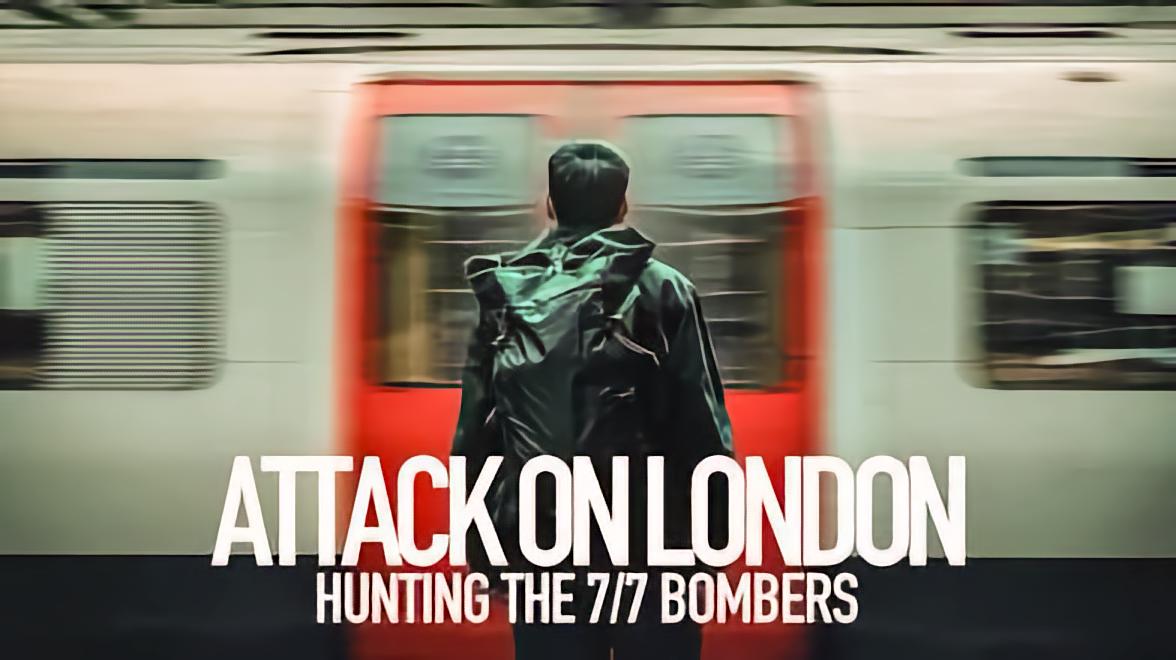
Survivors, police investigators, reporters, and activist-critics revisit the 7/7 attacks and dissect the British government’s response in Netflix’s four-part documentary series “Attack on London: Hunting the 7/7 Bombers,” directed by Liza Williams.
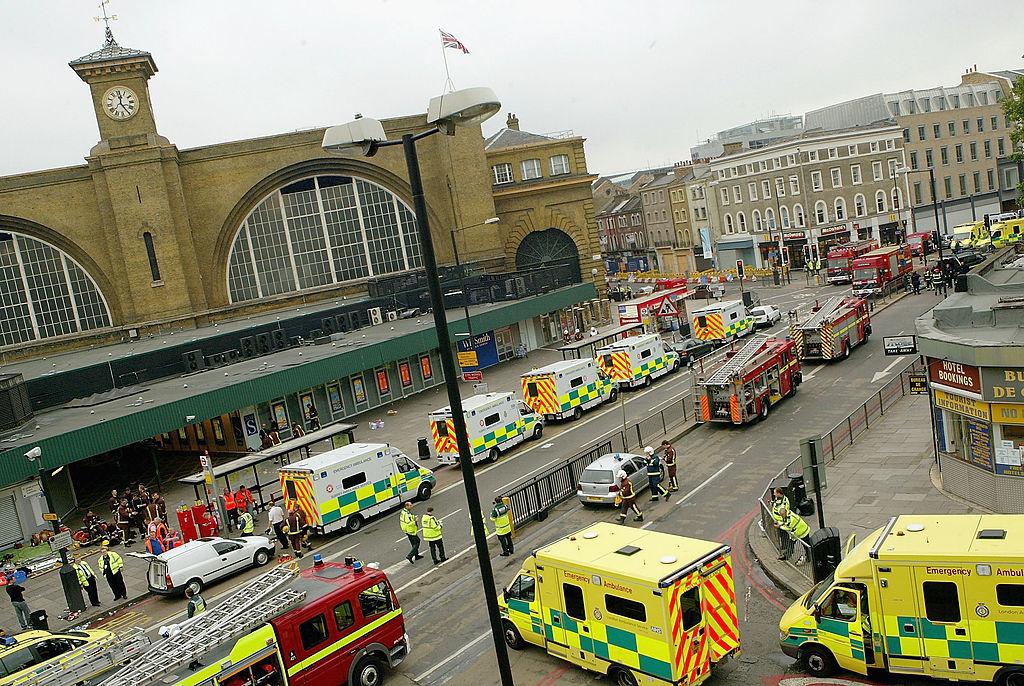
During that fateful morning rush, three terrorists detonated lethal explosive devices amid different crowded London subway (tube) stations. Shortly thereafter, a fourth terrorist ignited a bomb on a double-decker bus.
Complications
The difficult investigation became even more complicated when an armed police officer fatally shot an innocent man, Brazilian immigrant Jean Charles de Menezes. Williams, editor Duncan Hill, and their platoon of producers devote considerable time to the unfortunate and counterproductive incident. They talk at length to the regretful unnamed officer who pulled the trigger, while in shadowed anonymity.
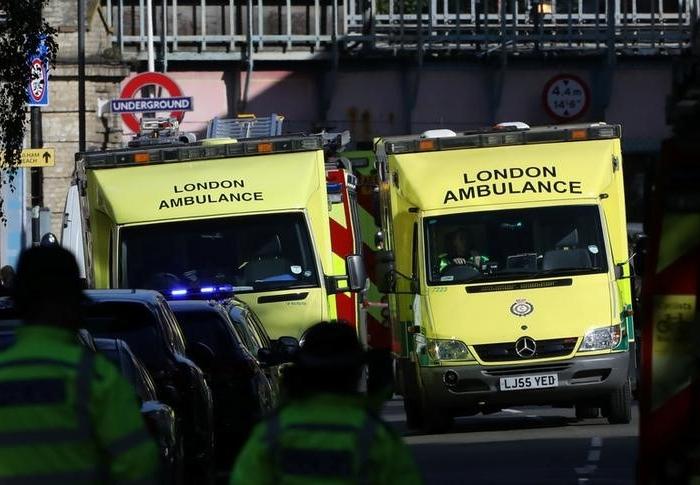
While the exact details of what transpired remain murky, it seems clear that top brass allowed the officers in the field to proceed under the misconception they were facing a confirmed terrorist potentially wired to explode. However, the officers were simply pursuing a man without involvement in the case, who very vaguely fit the description of a suspect.
None of the talking heads directly demonize the officer in question, saving their fire for senior officials and the procedures that were then in place. Williams and company are clearly very sympathetic to their grievances.
The intelligence services also receive criticism, especially when media reports reveal that the four bombers had been on various watchlists. Tellingly, former MI5 director Eliza Manningham-Buller concedes a lack of adequate resources; in fact, she admits on camera: “There were too many people on our radar to have them all under surveillance.” That is a scary postmortem, in more ways than one.
Indeed, the film includes incisive and insightful analysis of the dangers of Islamic jihadism, particularly the terrorists’ potential connection to the now-rehabilitated Finsbury Park Mosque. At the time, the mosque was widely recognized as a hotbed of jihadist fundamentalism.
Informed Analysts
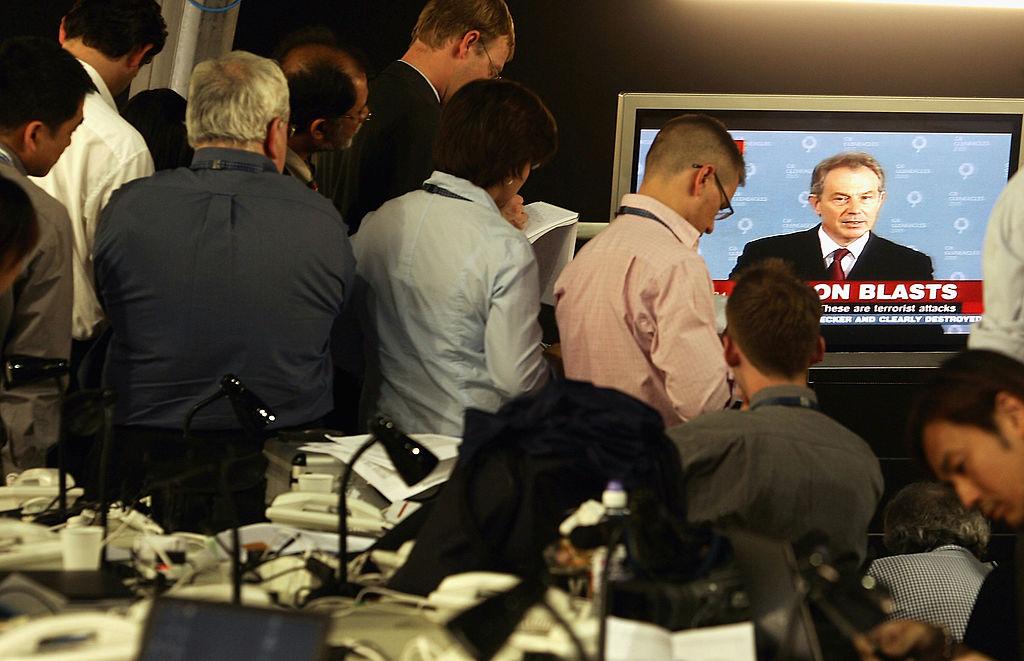
Despite some biases, “Attack on London” thoroughly chronicles and analyzes the 7/7 attacks and the ensuing aftermath. It assembled an incredibly knowledgeable cast of commentators, including even Tony Blair, who was prime minister in 2005.However, there’s a problem. The tone of the series is inappropriate. Through its use of brief reenactments, noir-ish-looking stock footage, and ominous mood music, it resembles the latest lurid true crime docuseries revisiting a tabloid murder case, like that of Scott Peterson or Alex Murdaugh. This limited series should have the vibe of a serious white paper report. Instead, it wouldn’t be out of place on a true crime network.
That is a shame, because Williams and company directly address subjects that society should be thinking about, like the Islamist roots of terrorism and whether or not sufficient safeguards are in place to protect civil liberties.
The series leaves viewers with much to consider, but the four episodes (of 45 to 50 minutes) sometimes feel somewhat padded. Arguably, viewers would be better served by three tighter episodes.
The harrowing testimonies of survivors, like Dan Biddle (who lost both legs as a result of the bombings), vividly convey an inkling of what it would be like to experience violent terrorism firsthand. The commentators evocatively describe the fear and intense emotions that were palpably present on English streets during the immediate days that followed.
Stylistically, “Attack on London: Hunting the 7/7 Bombers” misses the mark, but a good deal of the substance merits viewers’ attention. Recommended for the facts but not the presentation.