Imagine stepping out of a hot shower on a cold winter morning, and instead of bracing for the icy jolt of tile underfoot, you’re greeted by warm, gentle heat rising from the floor.
Radiant floor heating works by installing a heating element directly beneath your bathroom floor, warming the space from the ground up. There are two main types: electric systems, which use thin mats embedded with heated cables, and hydronic systems, which circulate hot water through tubes beneath the floor. Both deliver a slow, steady heat that evenly warms the entire room, with no vents, drafts, or cold corners.
Electric systems are generally easier to install in small areas and cost between $8 and $15 per square foot. Hydronic systems can range from $6 to $20 per square foot and are often more economical for larger or whole-home installations.
One of the biggest advantages of radiant heat is its even distribution. Traditional forced-air systems tend to push warm air quickly into a space and then shut off, which often leaves the ceiling toasty while your feet stay cold. Radiant heat, on the other hand, warms the entire surface area of the floor and naturally radiates upward, keeping the temperature consistent and comfortable from bottom to top. It’s also surprisingly efficient in small spaces like bathrooms, especially when paired with a programmable thermostat. Radiant systems often use less energy than conventional heating systems, and many homeowners report noticeable savings on utility bills over time.
Beyond the efficiency, radiant floor heating offers an impressive lifespan with very little maintenance. Once installed properly, a radiant system can last up to 40 years, which is nearly three times longer than the average forced-air furnace. There are no filters to replace, no ducts to clean and no noisy components. Everything stays tucked away under the floor, silent and invisible, which is especially appealing in bathrooms where space is limited and design matters.
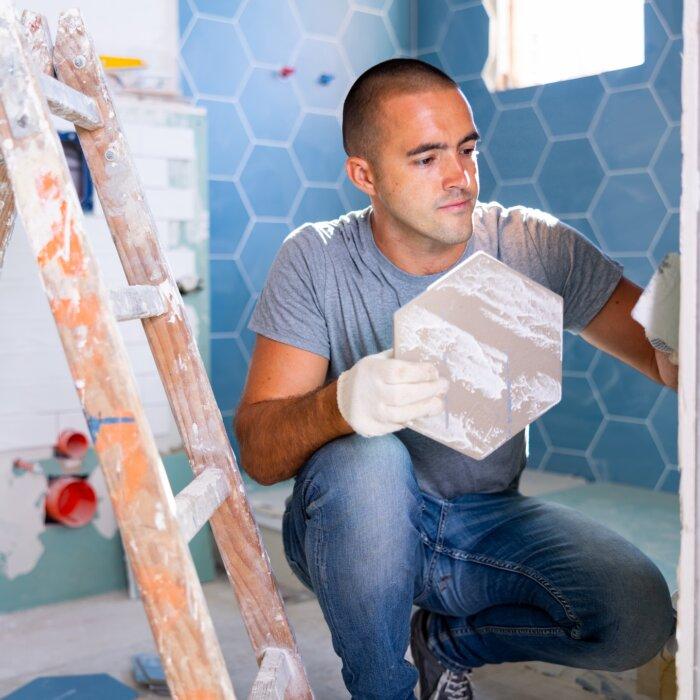
Of course, there are trade-offs. The most significant hurdle for many homeowners is the installation process. To add radiant heat, you’ll need to remove your existing flooring so the system can be placed underneath, which adds labor time and cost. For hydronic systems, you may also need a concrete or mortar base to hold the tubing in place, which can further complicate installation. Repairs, while rare, can be tricky. If something goes wrong, you’ll need a pro to locate and fix the issue, and that often means pulling up flooring again.
Then there’s the price tag. Installing a radiant system in a bathroom typically costs between $1,700 and $6,000. That’s a steep upfront cost compared to other heating methods, but many homeowners find the long-term savings and comfort make it worthwhile.
Still, if you’re already planning to renovate your bathroom, radiant heat is a smart upgrade to factor in. The installation is easiest when the flooring is already being replaced, and the added comfort and efficiency can make your bathroom feel like a high-end spa every day. Plus, it’s a strong selling point that can boost your home’s value down the road.