When cold weather sets in, it’s tempting to assume pest problems go into hibernation along with the garden. Unfortunately, winter doesn’t drive pests away. As temperatures drop, many insects and rodents look for warm shelter, steady food, and safe places to wait out the season, and your home makes an appealing spot.
Winter pest control isn’t about reacting to swarms. It’s about prevention, early detection, and making your home a less inviting place for unwanted guests. A little attention now can prevent bigger, more expensive problems come spring. And even if you don’t live in colder climates, many of these hints will help, no matter the season.
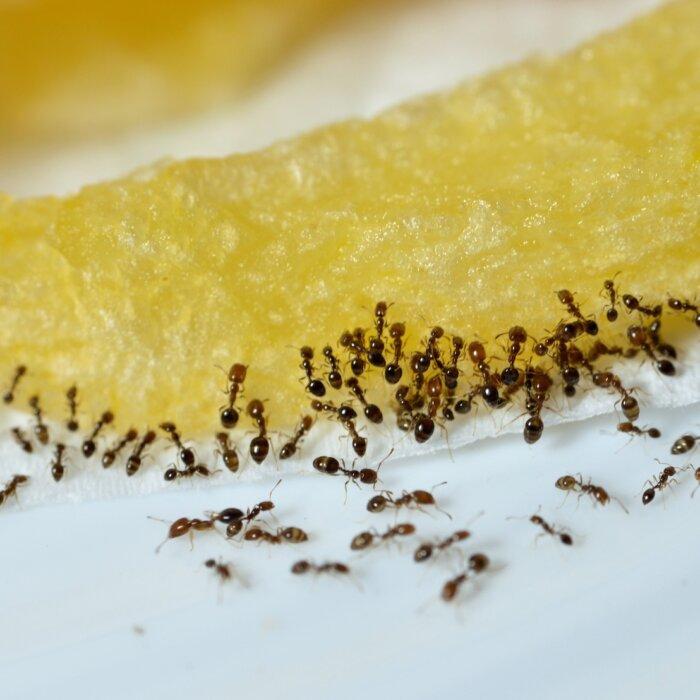
Many insects and rodents are “overwintering” pests. That means that they survive cold months by sheltering in protected environments such as homes, sheds, garages, and woodpiles. Depending on the species, they may become dormant, slow down their activity, or remain fully active indoors. Common winter pests include mice, rats, squirrels, cockroaches, ants, silverfish, beetles, fleas, wasps, and even termites.
During winter, signs of pests are usually subtle. Watch for droppings, shed insect skins, chewed food packaging or wires, unexplained bites, nests or webs, and scratching or rustling sounds in walls or attics. You may also notice live or dead insects near windows or baseboards, where warmth and light draw them out.
Rodents are especially active in winter. Mice can squeeze through openings as small as a dime, and once inside, they reproduce quickly. Termites may slow down in colder weather, but they don’t disappear, and damage can continue unnoticed behind walls. Winter is often when infestations go undisturbed the longest, making early signs especially important.
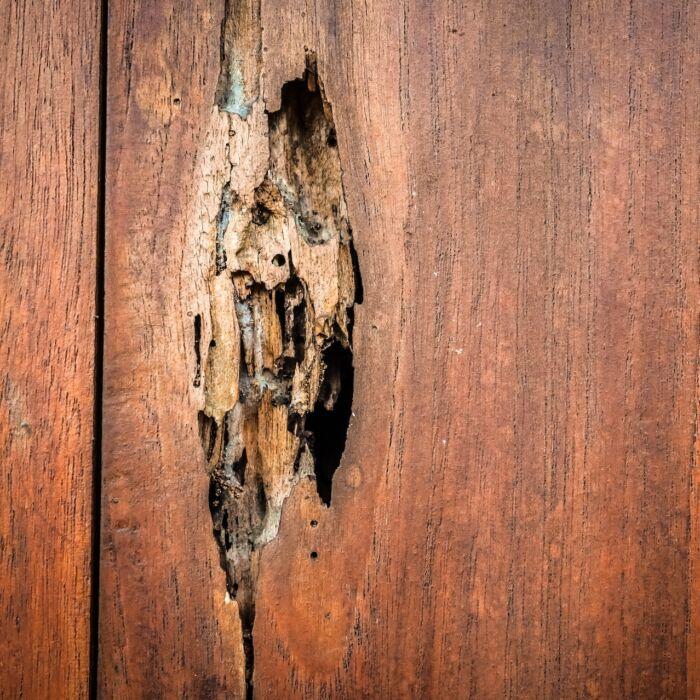
The most effective winter pest control starts outside. Sealing entry points is one of the most important steps you can take. As you winterize your home, check for cracks in foundations, gaps around doors and windows, broken screens, openings around vents, and access points near roofs, chimneys, and eaves. Caulking and weatherstripping do double duty by keeping out cold air and pests.
Firewood deserves special attention. Beetles, ants, and other insects love woodpiles, especially when they’re protected from the elements. Keep firewood stacked at least 20 feet from your home, and only bring in small amounts as needed. Large indoor stacks increase the chance of bringing pests inside with them.
Food access is another major draw. Pantry pests and rodents can chew through cardboard, paper, and thin plastic. Store dry goods in thick plastic or metal containers with tight-fitting lids. Clean crumbs, spills, and sugary residue from pantry shelves and cabinet bases. Garbage should always be covered, and outdoor trash bins should be sealed tightly or stored in a garage if possible.
Attics and basements are common winter nesting spots. Wasps and hornets sometimes build nests indoors during colder months, especially in attics. If you find a nest, it’s safest to call a professional rather than attempt removal yourself. Afterward, sealing the entry point prevents repeat visits.
Some infestations are best left to professionals. While DIY pest control products may cost $10 to $100, they don’t always solve the underlying problem. Professional pest control typically costs a few hundred dollars, depending on severity, but it often includes inspections, targeted treatments, and prevention plans. Many companies offer year-round service plans that include winter inspections, which can catch problems before spring activity ramps up.