One thing you can usually count on to increase in cost is utility bills. Sometimes they increase because of rate charges and other times because of usage.
Know Your Simple Payback
When making an energy-efficient home upgrade, it’s important to know your “simple payback.” Simple payback is the time it takes for an improvement to “pay itself back” in savings.For example, if an energy improvement costs $100 up front and saves you $50 per year, it would take two years to recover your investment. However, if that same $100 improvement only saves a few cents per year, it could take hundreds of years for a simple payback.
This is different from return on investment (ROI). Return on investment asks whether you will recoup your investment when the home is sold. Simple payback looks at the actual costs versus the savings of an upgrade over the course of years. ROI is harder to measure because it depends on whether a future homebuyer puts a value on energy efficiency.
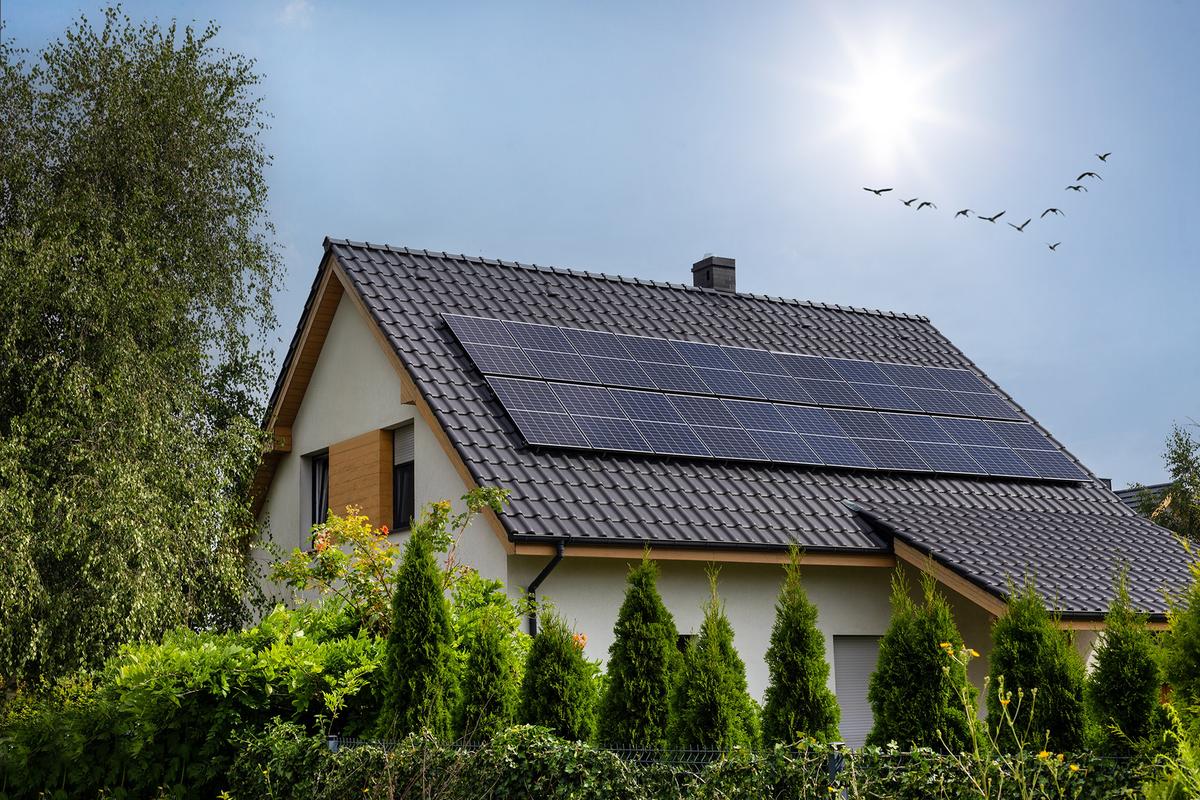
When Is Installing Upgrades Worth It?
Simon Bernath, founder and CEO of Canadian company Furnace Prices, told The Epoch Times, “Some of the most beneficial upgrades include improvements to home insulation, replacing old windows and doors, and upgrading old HVAC systems.”Windows, for example, slowly become less energy-efficient over time because of such factors as material quality, installation precision, maintenance, and the accumulation of moisture, fog, or cracks. A general rule of thumb is to replace them every 20 to 30 years.


However, Bernath said, “It’s hard to give precise timeframes where it may or may not be worth it, as a lot depends on the state of the home.”
But he noted that updates tend to be worthwhile if the homeowner stays in the upgraded home for at least five to 10 years.
Other factors that contribute to the simple payback include the home’s location, systems (oil, gas, or electric heat), current utility rates, and upgrade cost.
Do New Windows Pay for Themselves?
According to This Old House, the average cost of window replacement, depending on the style or brand chosen, was $554 per window in January. But the range is between $100 and $2,500 per window.That means that, although there are various factors such as the type of window and manufacturer, upgrading the windows in an average-sized house with 11 windows would cost approximately $6,094.
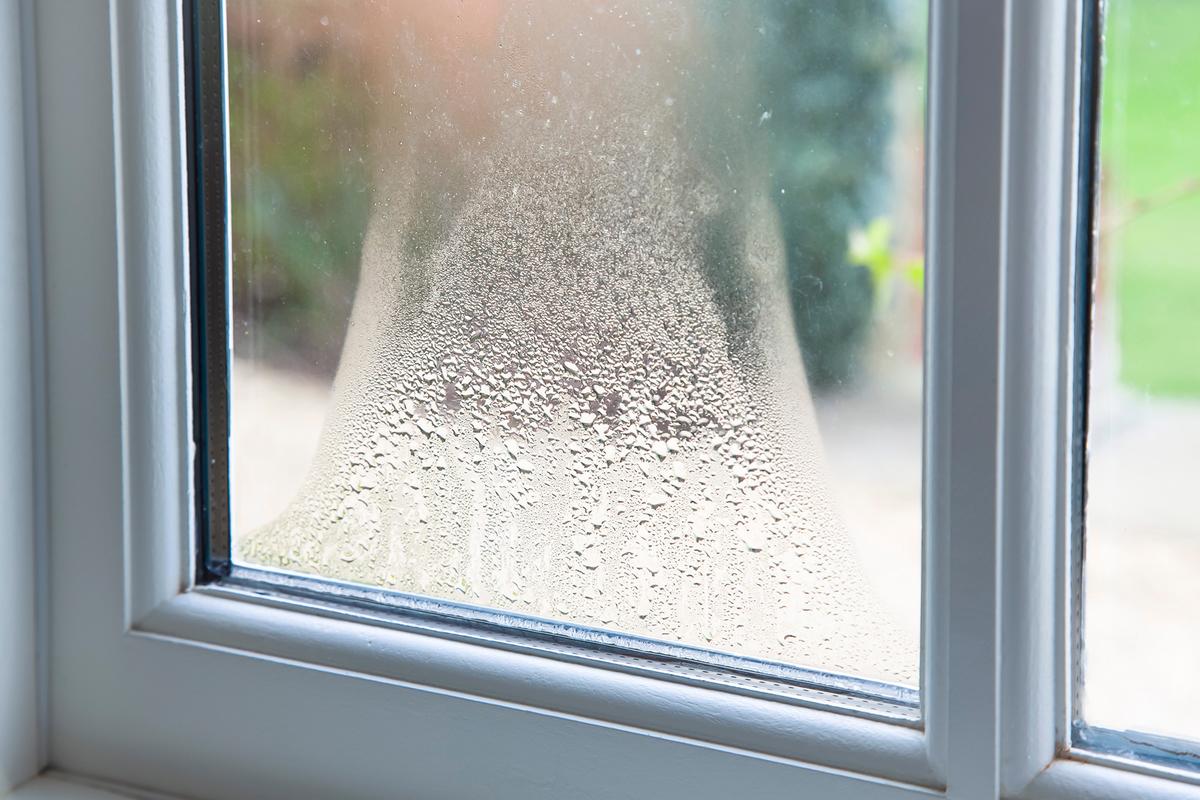
So if you only saved $71 annually on your utilities, it would take you roughly 85 years to break even on your $6,094 investment. If you saved $501 annually on your utilities, the simple payback would be roughly 12 years.
Do New Heat Pumps Pay for Themselves?
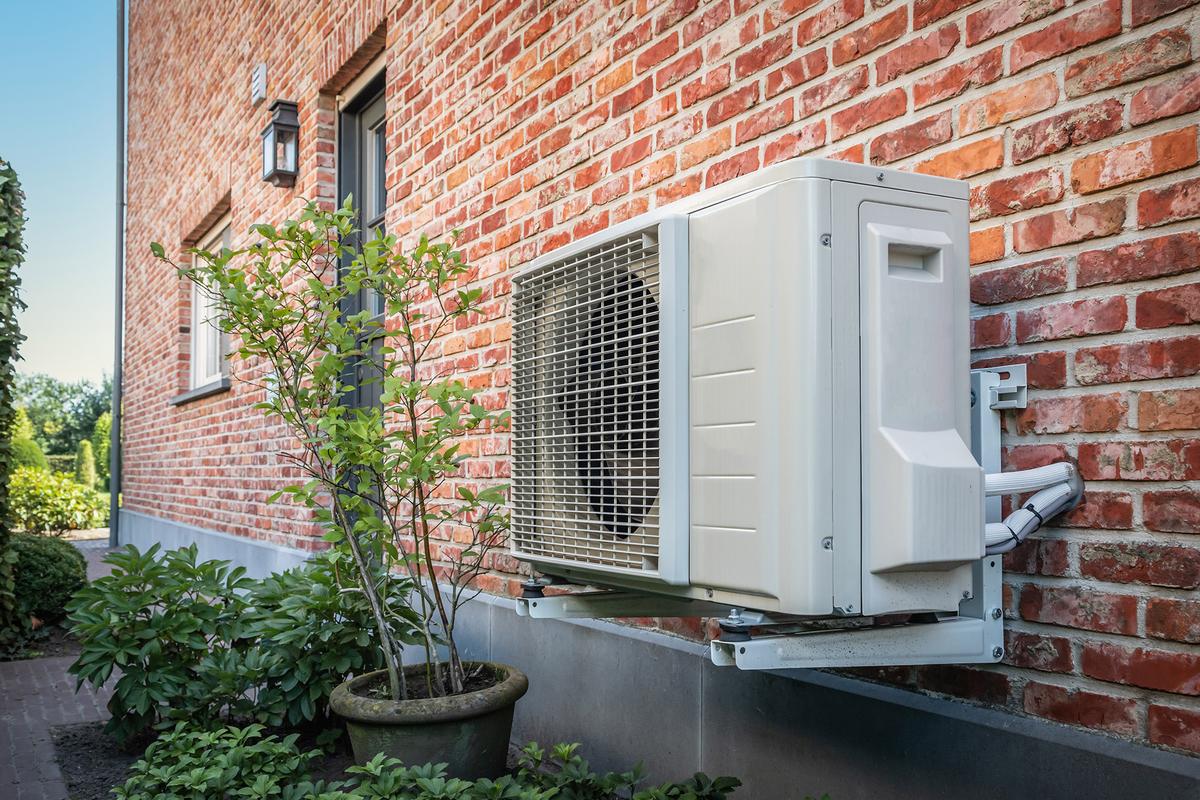
According to This Old House, a central heat pump (air-source) installed costs $8,000 to $15,000. A Geothermal heat pump is pricier, coming in at $12,000 to $25,000.If we take the conservative $500 savings and apply it to the air source central heat pump at an average cost of $11,500, simple payback would take 23 years. But once more, this doesn’t factor in the ROI if you sell the house.
Current Energy Tax Credits Help With Simple Payback
There are currently tax credits that you can apply to energy-efficient upgrades that may bring down the simple payback period. For example, according to the IRS, there is a tax credit of 30 percent up to $2,000 per year for qualified heat pumps, water heaters, biomass stoves, or biomass boilers.Exterior windows and skylights have a $600 credit, and you can have a home energy audit and receive a $150 credit. To qualify, these improvements must meet energy efficiency standards, and they must be new systems and materials, not used.
You may only claim these credits for your primary home. It must also be an existing home that you are upgrading, not a new one.
Installing Energy-Efficient Upgrades
So are energy-efficient upgrades worth it financially?It’s different for every home, which is where an audit comes in handy.
“A home energy audit can help homeowners get a clearer picture of what might be worth it for them,” Bernath said.
It might be worth taking advantage of the current credit to have an audit conducted.
But when it comes to making energy-efficient upgrades to the home, Bernath said, “if their current systems are older than 10 to 15 years and if they have obvious issues with drafts, poor insulation, and plan to stay in the home for many years to come, it’s generally a decent investment.”
And remember, it’s hard to put a price on comfort.