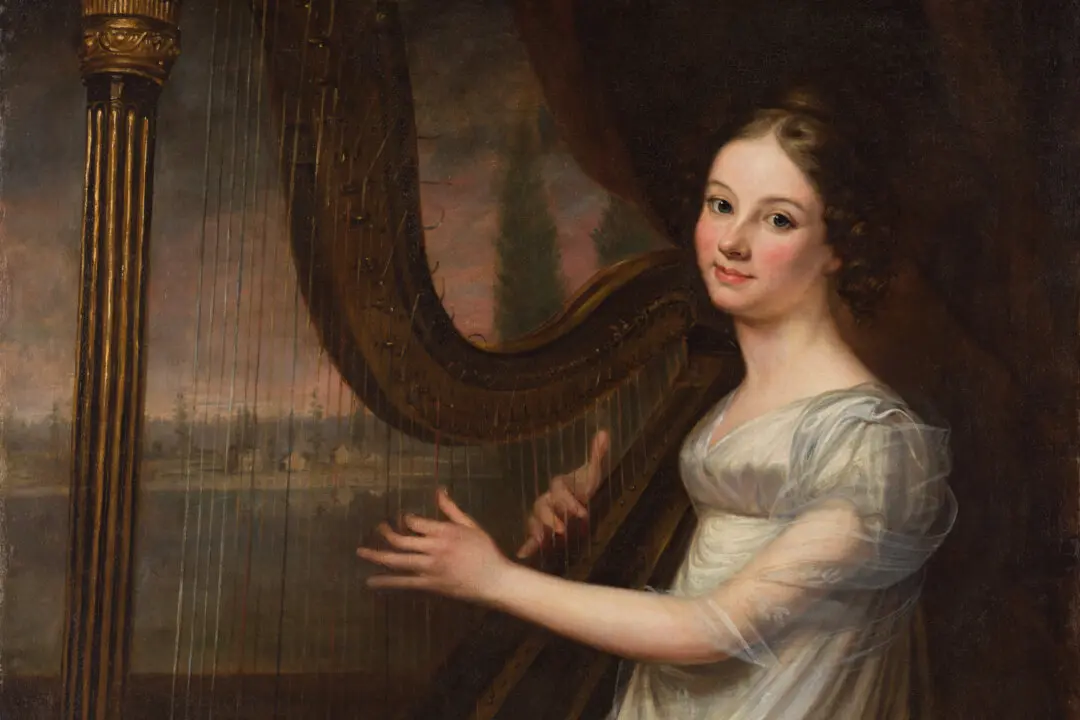
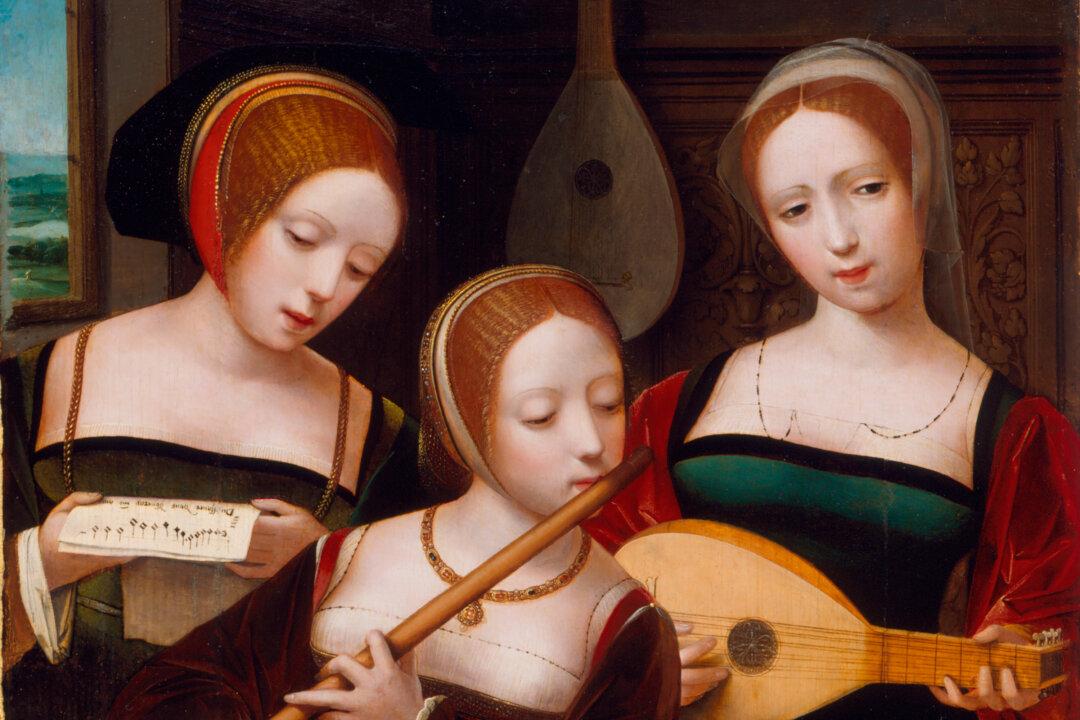
In 1720, Italian priest Desiderio Arisi wrote, “In Cremona is also living my intimate friend Antonio Stradivari, an excellent maker of all kinds of musical instruments.” Arisi spent his life chronicling the presence of notable Cremona citizens, and Antonio Stradivari (1644–1737), a skilled luthier, was one of the city’s most historic figures. For over 70 years, Stradivari built stringed instruments unparalleled in both sound and build.
When played, the notes of his violins, cellos, harps, and other instruments could fill every nook and corner of a concert hall. Not only were his instruments powerful, but they were also deeply expressive, with a striking clarity and tone critics and historians have compared to the art of singing. The first known Stradivari violin dates back to 1666. Over his lifetime he constructed more than 1,100 instruments, but only about 650 are accounted for today. When he died, many of his creations were left scattered throughout Italy in undisclosed locations. Once at risk of being a historical sidenote, centuries later, Stradivari is celebrated in museums, music venues, and private collections as a historic centerpiece.