Quite often, people blame their lack of historical literacy or lack of enthusiasm for history on their teachers and professors from grade school through college. Certainly, having an instructor passionate about the subject can have a lasting impact on a student. For those who never had the opportunity to sit before a brilliant history professor, now is, sort of, your chance.
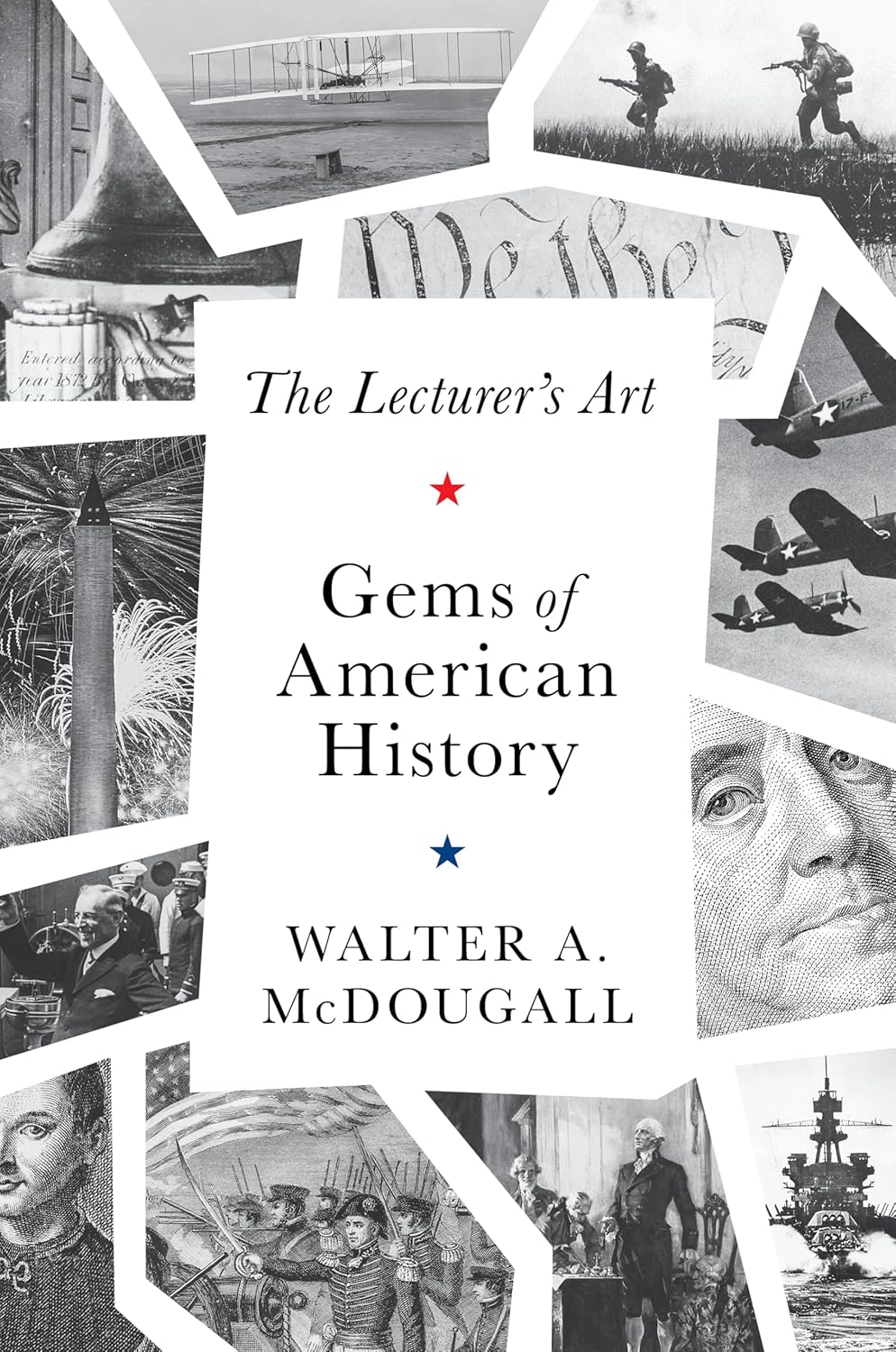
Encounter Books has recently published a collection of Walter A. McDougall’s lectures titled “Gems of American History.” McDougall, a professor of history and the Alloy-Ansin professor of international relations at the University of Pennsylvania, presents to the reader 12 lectures that range from Benjamin Franklin’s conversion from loyal British subject to American revolutionary to the constitutional problems with America’s modern foreign policies. From a career in the classroom that began at the University of California–Berkeley (1975–1988), to the University of Pennsylvania (1988–present), there was certainly a treasure trove of lectures to pull from.
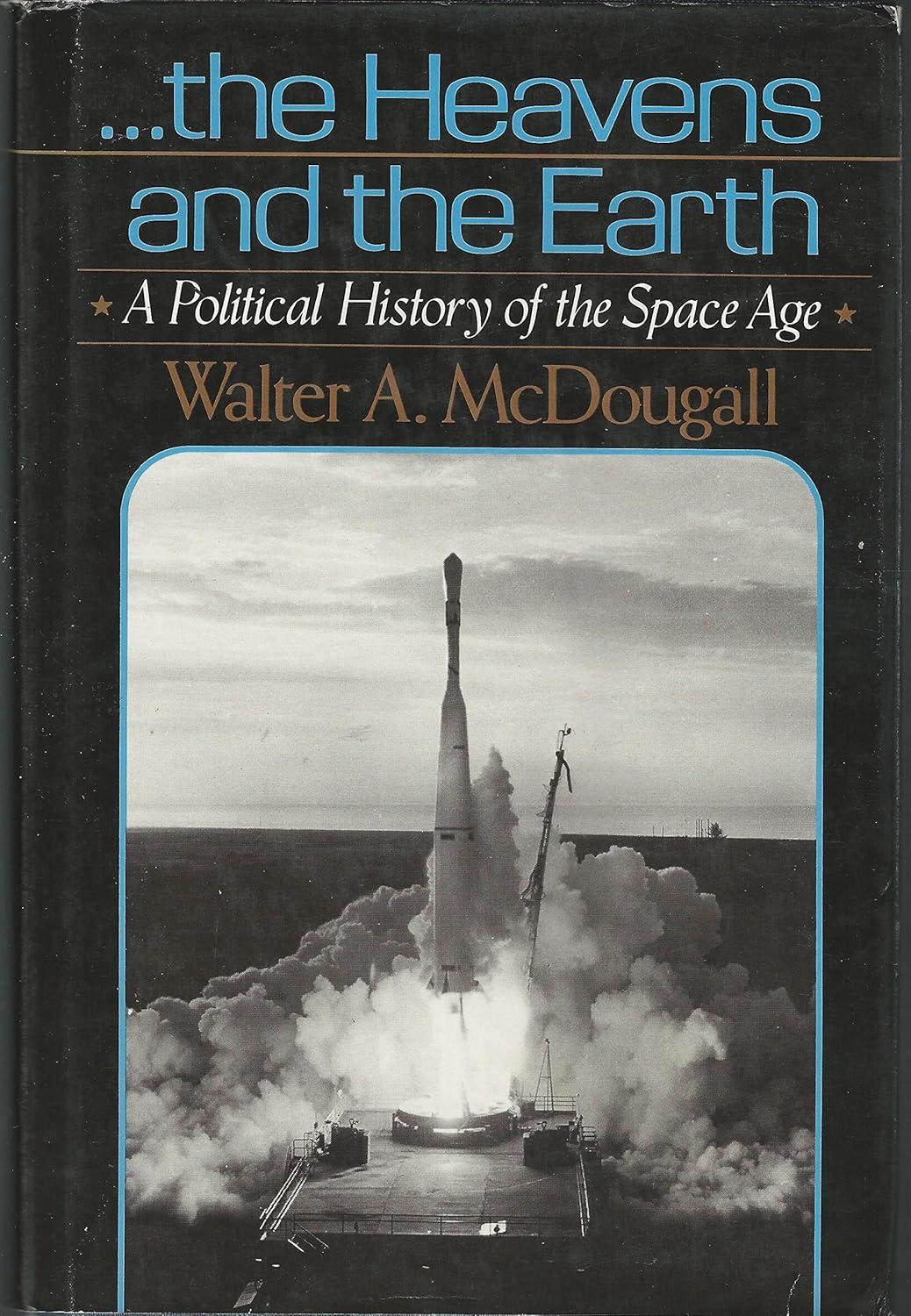
McDougall, who won the 1986 Pulitzer Prize for History for “The Heavens and the Earth: A Political History of the Space Age,” demonstrates his brilliance as an author, but also, in an interesting way, as a lecturer. Of course, conveying one’s talent for lecturing does seem an impossibility for a book, but McDougall made an interesting addition to this work in order to demonstrate that prowess. The author provided two prefaces: the first, regarding becoming a professor and his personal history of lecturing; the second, “a brief guide to self-editing.” The purpose of that latter preface is to help readers (or students) pay attention to “cadence and clarity” in “texts meant to be read out loud.”
Highly Detailed Stories
I was surprised in each lecture by how much intricate, often overlooked historical detail was inserted, even on topics that have been covered by historians ad nauseam. There were the common themes like the aforementioned Franklin and modern foreign policy decisions that resulted from the 20th-century wars. McDougall also presented several profoundly intuitive historical narratives, such as the life and impact of French immigrant Stephen Girard, the influence of Machiavelli on American republicanism, and why the oft-viewed “mistake” conflict of the War of 1812 was far more important than historians give it credit.The author, or lecturer, certainly gave this reader and lover of American history countless spots to ponder. Even one of the great slogans of American history—”No taxation without representation”—is reconsidered in the overall context of the Revolution.
One of the primary narratives of the collection of lectures, though it isn’t addressed in all 12, is how the executive branch over the past 200-plus years has carved out more and more power for itself, often with the blessing or at least the enabling of the legislative and judicial branches. As quasi-students of McDougall, readers will learn how ill-conceived decisions, or even decisions made out of necessity (often due to war demands), have empowered the state at the expense of the individual. From Thomas Jefferson’s Embargo Act to Woodrow Wilson’s Espionage Act and Sedition Act, the path paved by politicians’ good intentions always lead to a hellish destination.


Harsh Realities
McDougall follows that with his personal experience of the Vietnam War. Thankfully, not all of his lectures are so sobering. That would be tough sledding. For a scholar of international relations, though, one (I’m certain) must feel the necessity to consistently present the world’s harsh realities.One of those harsh realities regarding international relations is something that is rarely ever discussed. That is America’s grand strategy. What is the purpose—the overall purpose—of America’s domestic and foreign decisions? McDougall makes the alarming and convincing case that America in fact does not have a grand strategy. The United States has and can often accomplish specific strategies for singular objectives. But concerning grand strategies, like that assessed in George Washington’s farewell address, or the efforts behind the westward expansion of the 19th century, or even as recent as the Containment Policy during the Cold War, America seems, since the end of the Cold War, either inadequate or uninterested to perform such a thoughtfully orchestrated task. That lecture is perhaps the most intriguing and most important of the work, and as McDougall follows with a two-part lecture on U.S. foreign policy, he thoroughly emphasizes his assessment.
“Gems of American History” was a book I could hardly put down and could hardly wait to pick back up. It is a flourish of historical information, providing insight into America’s greatest figures and moments. Although I never got the privilege to sit through McDougall’s lectures, it was a pleasure to get a glimpse of them. My only hope is that he follows with another dozen.