Jan R. Van Meter’s book “Tippecanoe and Tyler Too” brings together 57 slogans and catchphrases from American history: campaign slogans, quotes from sports and popular culture, and more. The book delivers these taglines in historical order and sets the stage for each one by explaining the backstory at length and what happened afterward.
Most readers are familiar with some of these maxims and tags. The battle cry “Remember the Alamo,” FDR’s “There is nothing to fear but fear itself,” and Horace Greeley’s “Go West, young man” probably ring a bell. Other slogans and sayings, however, are less well-known despite packing quite a punch in their day.
To bring back some of these bits of Americana is the purpose of the list below. Van Meter’s pages-long narrative explaining each citation is reduced here to a few lines. Accompanying this mini-history of the slogan or catchphrase is a contemporary take on the words, which might serve as a mnemonic device for remembering the slogan while providing some amusement.
Hard Times and Historic Divisions
‘These Are the Times That Try Men’s Souls’
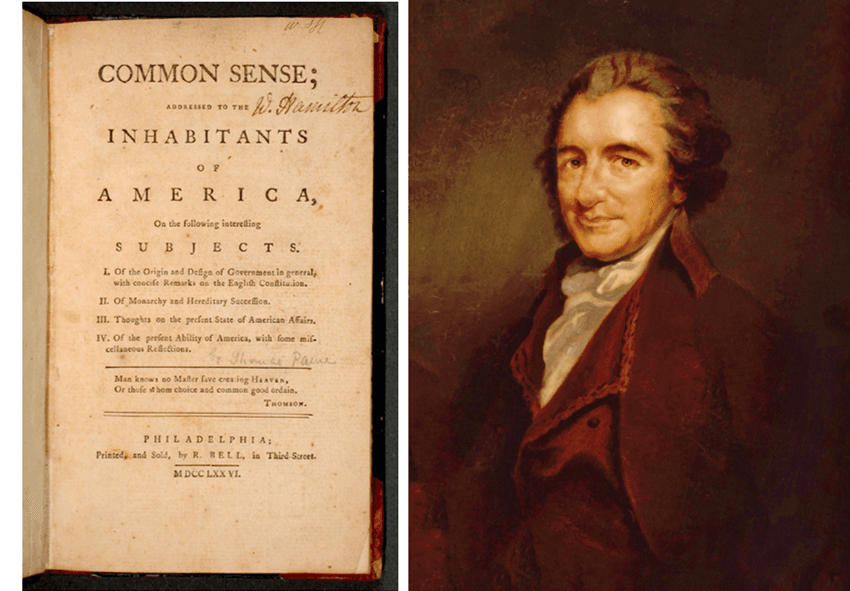
Famed for writing “Common Sense,” a pamphlet that heartened American patriots in their early struggles with the British, Thomas Paine published these words in the first pamphlet of “The American Crisis” on Dec. 23, 1776, when the morale of the American soldiers and their officers had sunk into despair. Two days later, Washington led the men across the Delaware and won a resounding victory that brought new hope to the American cause.
‘A House Divided Against Itself Cannot Stand’
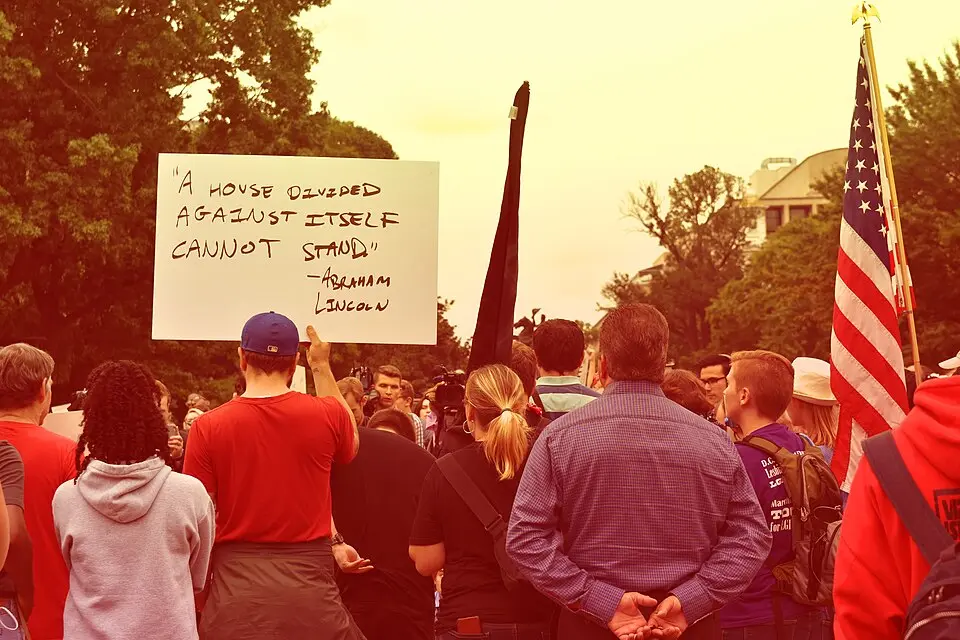
In 1858, while speaking before the Republican Convention in Illinois, Abraham Lincoln turned this line of Scripture into a metaphor referencing the division between the slave-holding South and the abolitionists of the North. Lincoln lost the election, but his words echoed across the nation.
High-Stakes Defiance
‘Damn the Torpedoes, Full Speed Ahead!’
As the Union fleet under Adm. David Farragut attacked Mobile Bay in 1864, the lead ship struck a torpedo, which we today call a mine, and sank immediately. When the other ships hesitated, Farragut is reported by some to have shouted the words above. His ships charged ahead, broke the Confederate defense, and the critically important port fell to the Union.‘If Nominated I Will Not Run; If Elected I Will Not Serve’
Urged by some Republicans to enter the 1884 presidential race, Civil War general and Northern hero William Tecumseh Sherman issued his famous refusal: “I will not accept if nominated and will not serve if elected.” Later commentators changed his sentence to the more powerful version above. Sherman’s refusal gained popularity as an example of direct and succinct honesty.‘You May Fire When Ready, Gridley’
On May 1, 1898, the American Navy demolished the Spanish Pacific Squadron in the Battle of Manila Bay during the Spanish-American War. This decisive victory left Americans in control of the Philippines. The battle commenced when Commodore George Dewey spoke his famous order to the captain of his flagship, Charles Gridley.‘We Stand at Armageddon, and We Battle for the Lord’
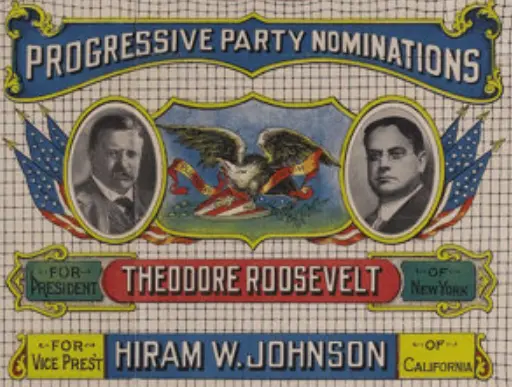
In 1912, having left the Republican Party, Theodore Roosevelt ran for president as a candidate for the newly created Progressive Party, more popularly called “the Bull Moose Party.” At their convention, Roosevelt delivered a blistering speech against corruption and special-interest groups in politics and government. Spoken at the end of his speech, the above line snagged the attention of the press.
Dealing With Life’s Curveballs
‘Say It Ain’t So, Joe’
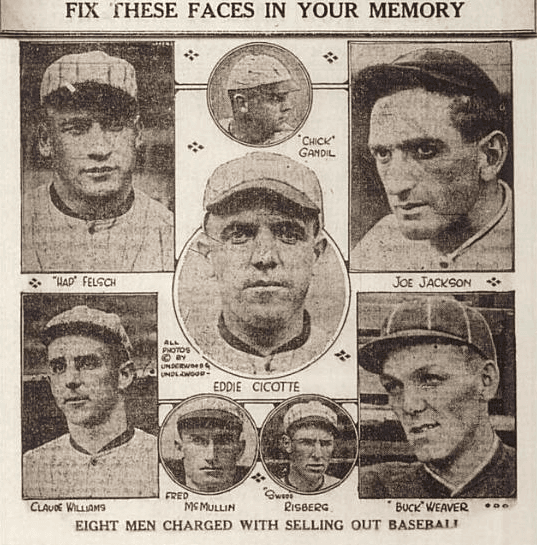
In 1919, the Chicago White Sox stunned fans of America’s national sport when eight members of the team were accused of throwing the World Series to the Cincinnati Reds in return for big bucks from gambling syndicates. When one of the players, “Shoeless Joe” Jackson, was leaving the courtroom, a Chicago paper reported that “a small boy clutched at his sleeve and tagged along after him. ‘Say it ain’t so, Joe,’ he pleaded. ‘Say it ain’t so.’” Jackson and the other indicted players did not serve jail time, but Jackson, with his lifetime batting average of .356, also never made the Hall of Fame, though his case is under review today.
‘Nuts!’
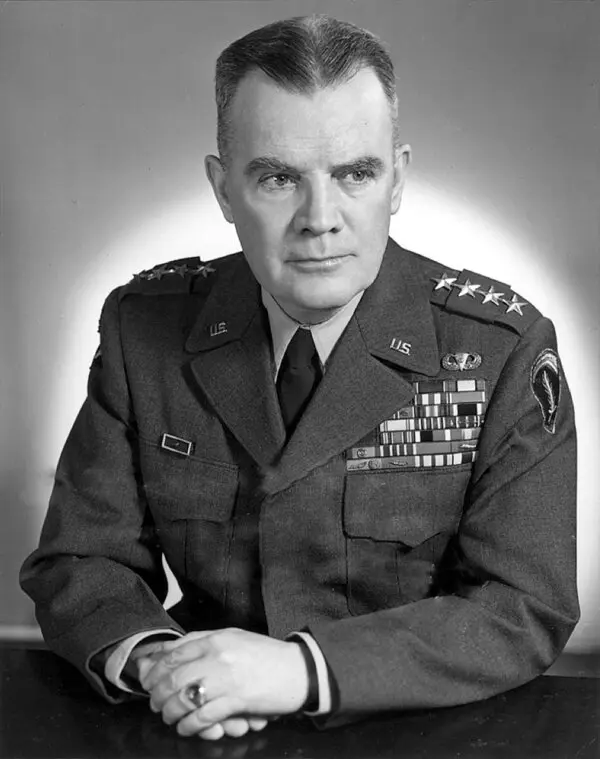
In mid-December 1944, the Germans launched a massive assault in what became known as the Battle of the Bulge. At Bastogne in Belgium, the 101st Airborne held out against overwhelming odds, fighting not only the Germans but also temperatures that fell below zero at night. On December 22, the Germans sent a letter via an English-speaking lieutenant to the American commander, Brig. Gen. Anthony McAuliffe, demanding the surrender of his men. McAuliffe wrote out his answer and placed it in the lieutenant’s hand. He was returned to his lines. There, he read the one-word message, “Nuts,” and asked his American guide, Col. Joseph Harper, what it meant. “It means ‘go to Hell,'” Harper replied.
Bastogne held out and was relieved the day after Christmas.
‘Duck and Cover’
In the 1950s, when news broke that the Soviets had acquired an atomic bomb, the Federal Civil Defense Administration (FCDA) began educating the public on what to do in case of a nuclear attack. Its employees produced booklets, scripted television specials, and enlisted opinion leaders to educate the public. In a film for schools, a cartoon character, Bert the Turtle, urged children to “Duck and cover!” if they saw an enormous flash of light on the horizon, meaning they should dive under a desk or fall to the ground and cover their heads.Though horrified by the thought of a nuclear conflict, only a minority of Americans paid much attention to this poor and dismal advice. Soon, President Eisenhower rejected the FCDA’s scare tactics, and civil defense became a moot topic.
Is your CEO on a rampage? “Duck and cover!” Did the health inspector just show up for an unscheduled visit at your restaurant? “Duck and cover!” Is your United States Marine Corps platoon leader marching toward the barracks with a face like flint? “Duck and cover.”
You get the idea.
So there we have it, some slogans not only pertinent to our past but also for practical everyday use. If you enjoyed these, you’ll find more online by searching for “famous American slogans and quotes.”
Enjoy!