The effort to rescue dozens of Samoyeds from a worsening situation in Iowa started with a single phone call on a Wednesday evening. Paws-N-Claws in Iowa reached out to Playing Again Sams of Wisconsin, desperate to find foster homes for 19 puppies from four accidental litters. Finding placement in less than 72 hours seemed like a Herculean task, but the case was about to expand much further.
When rescuers arrived at the property, they encountered abhorrent conditions. Many of the dogs were living outdoors, surviving on water bowls that had iced over. While the owner initially refused to surrender the 33 adults on-site, the involvement of local law enforcement eventually led to the rescue of all 52 dogs. It was a race against time; the organizations had only three days to place every dog and avoid the possibility of euthanasia.
An Army of Cooperation
What followed was a coordinated effort among five rescue organizations, including Paws-N-Claws, Playing Again Sams, St. Louis Samoyed Rescue in Missouri, Nordic Retreat and Rescue in Minnesota, and the Animal Rescue League of Iowa.
An army of volunteers sent blast notices through email and social media to recruit foster homes. The teams conducted health checks, bandaged sores, and fluffed matted, dirty fur. They coordinated four vehicle fleets, with some volunteers traveling over five hours to deliver the dogs to safety. They then screened prospective fosters to ensure the high-energy Samoyeds finally found a home.
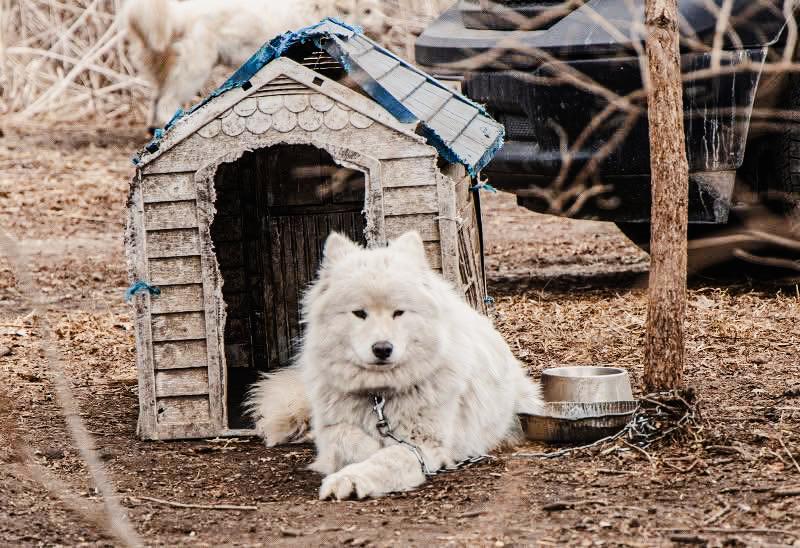
Julie Scott, director of Playing Again Sams, noted that these dogs faced unique hardships. Unlike typical members of the breed, these specific rescues had lived entirely in outdoor packs with almost no human interaction.
“Everything is so completely new to them,” Scott said. “They have no frame of reference for anything our typical dogs would find normal.”
To evaluate their trauma and help them adjust, rescuers used a 1–5 fear scale. Many of the dogs fell into the highest fear categories, needing “low-sensory” environments to prevent overload. Valentina, a fear level 4 dog, is now in a short-term foster home and has started wagging her tail and seeking affection. Others, such as Benny, require more intensive medical care, including a tail amputation due to severe frostbite.
Despite the urine burns, frostbite, and emotional hurdles, the mission has been a success. From Daisy, who is now living in Pennsylvania, to Cookie, who found a home in North Carolina, most of the dogs have begun their new lives.
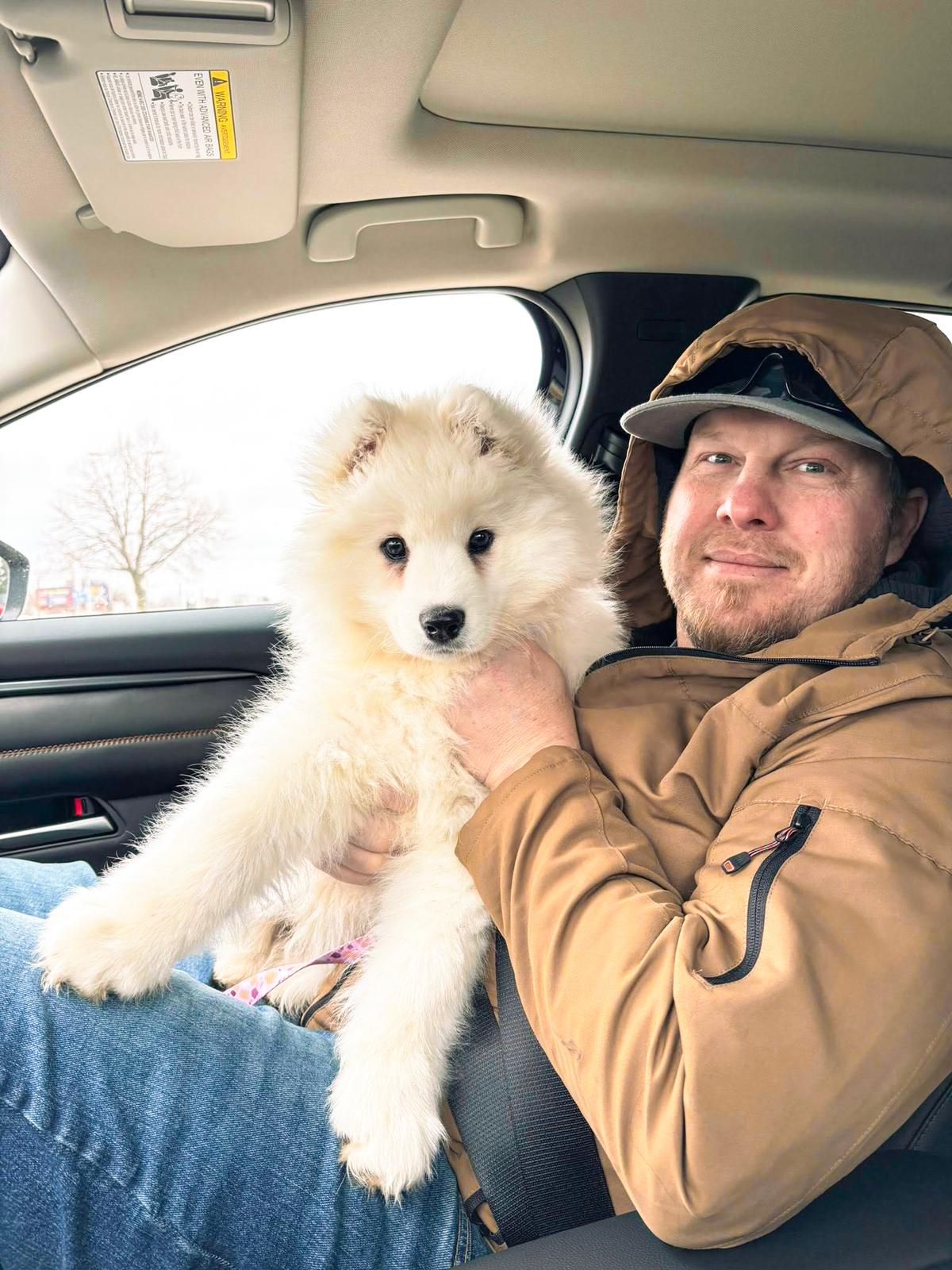
As the dogs’ matted coats are replaced with the thick, white double coats the breed is famous for, the rescue community is celebrating the strength of working together. As Julie Scott puts it, “teamwork makes the dream work—and changes lives forever.”
=====
The Smiling Sled Dog of the North
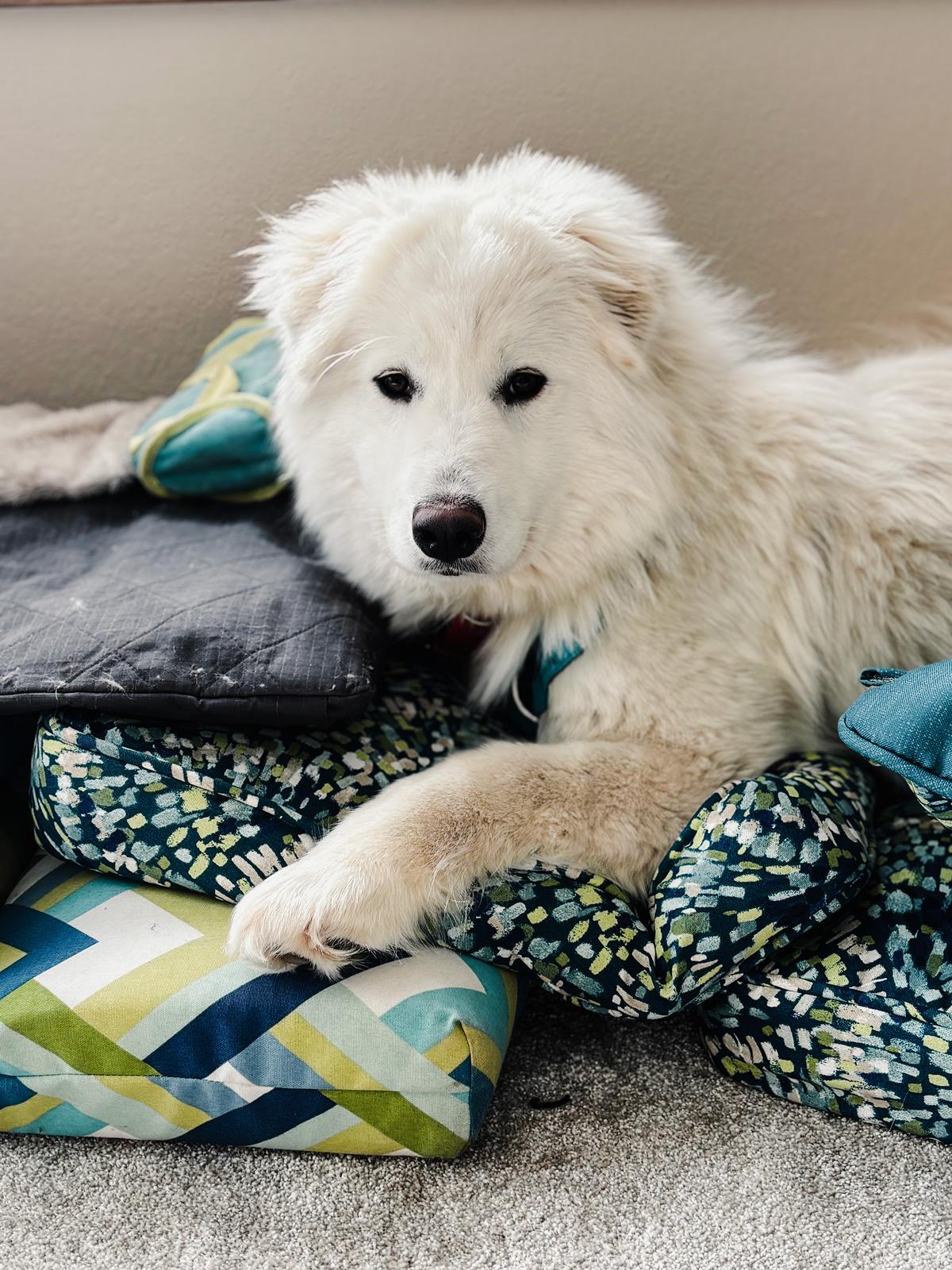
Samoyeds are a niche breed originating from the Arctic climates in Nordic countries and Siberia, historically used by the nomadic Samoyedic people to herd reindeer. They are high-energy working dogs with thick, white double coats. They are highly intelligent and feature their signature “Sammy smile” with upturned lips to keep their drool from freezing in the harsh Arctic weather. Known for being gentle and watchful with children, they thrive with activity and companionship.