The Ancient City of Corinth
My trip began in Athens, but since I had been there just the year before, I chose Viking’s excursion to the Corinth Canal and the ancient city of Corinth, an hour and a half from the ship’s dock, instead of a tour of Athens. I had no idea what the Canal of Corinth might be and was amazed by the narrow channel with sheer walls 300 feet high on either side of an 80-foot-wide channel dug through the Isthmus of Corinth.For centuries, even in the time of the ancients, our guide told the group, it had been a dream to connect the two seas to create a shortcut for goods and commerce instead of sailing around the Peloponnese peninsula. For various reasons, it was thwarted, one being that it would bring down the wrath of the gods for disturbing the land. If Zeus had wanted the seas connected, he would have done it.
Another argument was that such meddling would anger Poseidon, whose massive temple stands high above the Aegean Sea about 87 miles away. Finally, thousands of years later, in 1893, the canal was built. However, as ships became larger, it wasn’t useful. Today, it is mostly recreational craft that use it. Still, it is stunning to stand on the bridge that crosses it, looking down on the bright blue thread connecting the Aegean and the Ionian seas.
Unlike the ruins of Athens, which are part of the modern city, the ruins of once-mighty Corinth, rivaling Athens itself in wealth and power, stand alone, abandoned when the modern city was rebuilt miles away after the earthquake of 1858.
In Alexander’s Footsteps
Thessaloniki is the capital of Macedonia, the Greek province that was home to both Jason of the Golden Fleece and Alexander the Great. The city was founded by one of Alexander’s generals, who named it for his wife, Alexander’s half-sister. In his honor, the city has erected a huge bronze statue of Alexander, sword aloft and astride a massive horse in the lush park that runs along the waterside esplanade. As I stood next to the statue, it was possible to feel the force of the young man who built an empire stretching from Greece to Egypt and deep into Asia Minor.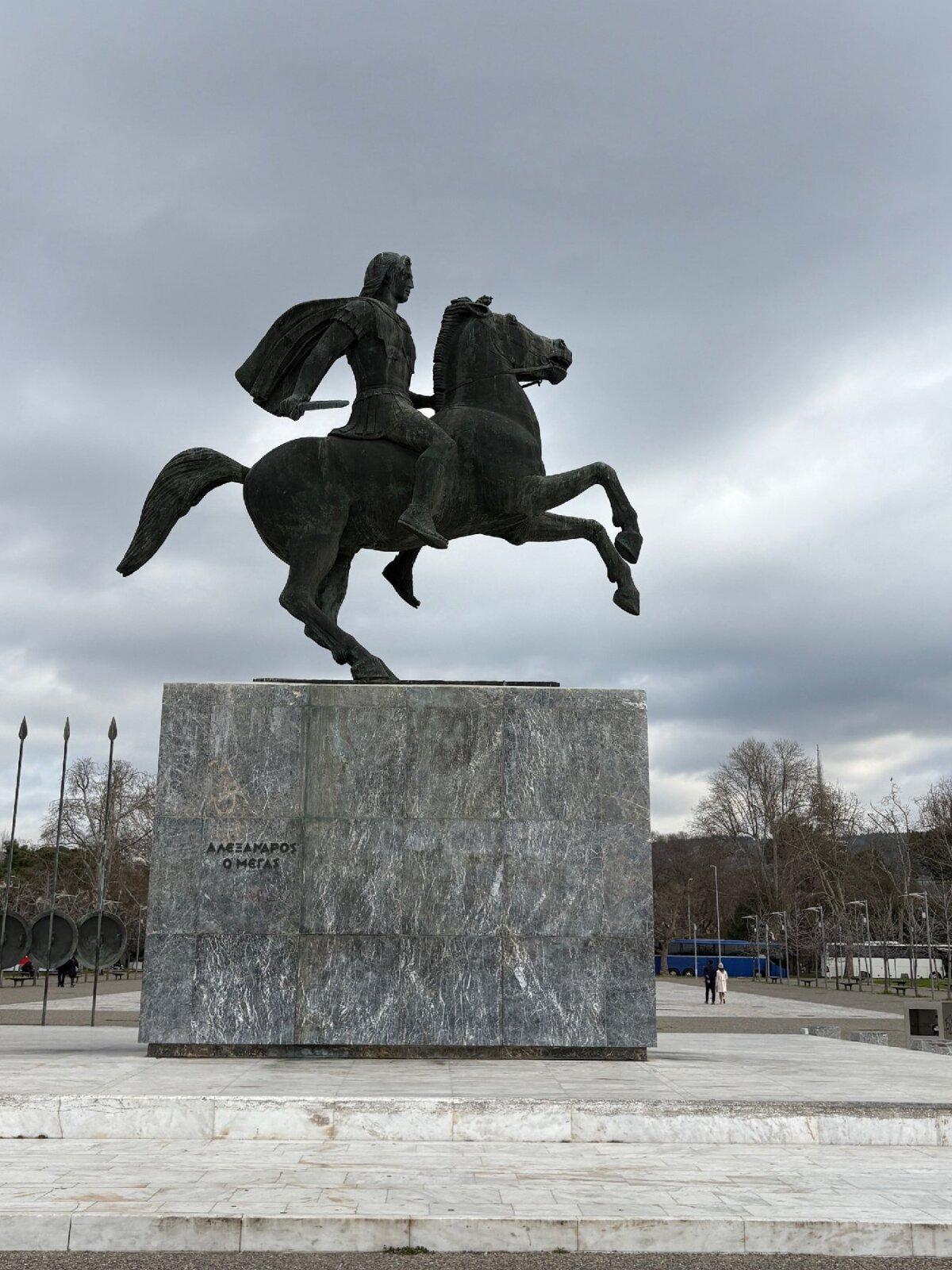
On the Roman Road to Turkey
One of the highlights of my Greek odyssey was actually in Turkey, walking down the Marble Road of Ephesus, the main throughway of this once Greek and then Roman city. The road, made of marble slabs laid by Romans, is bordered on both sides by remnants of marble columns, statues, mosaic floors, and bits of walls and buildings.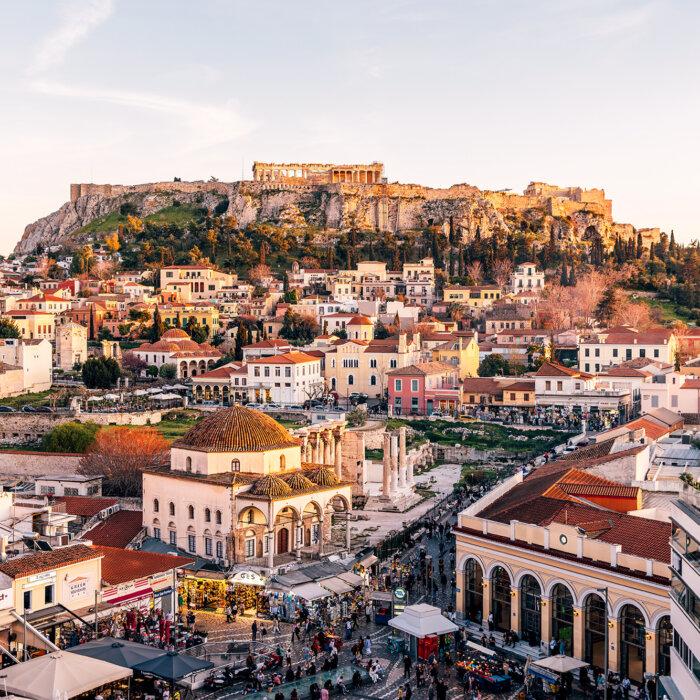
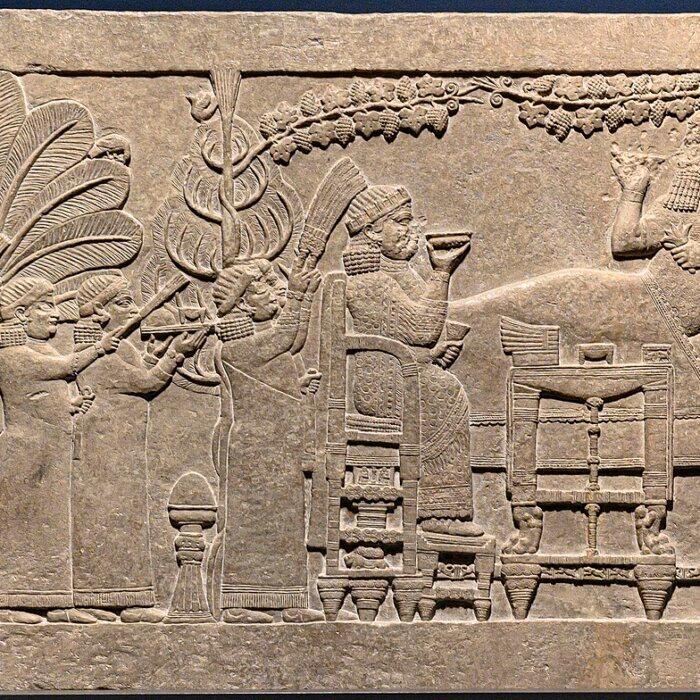
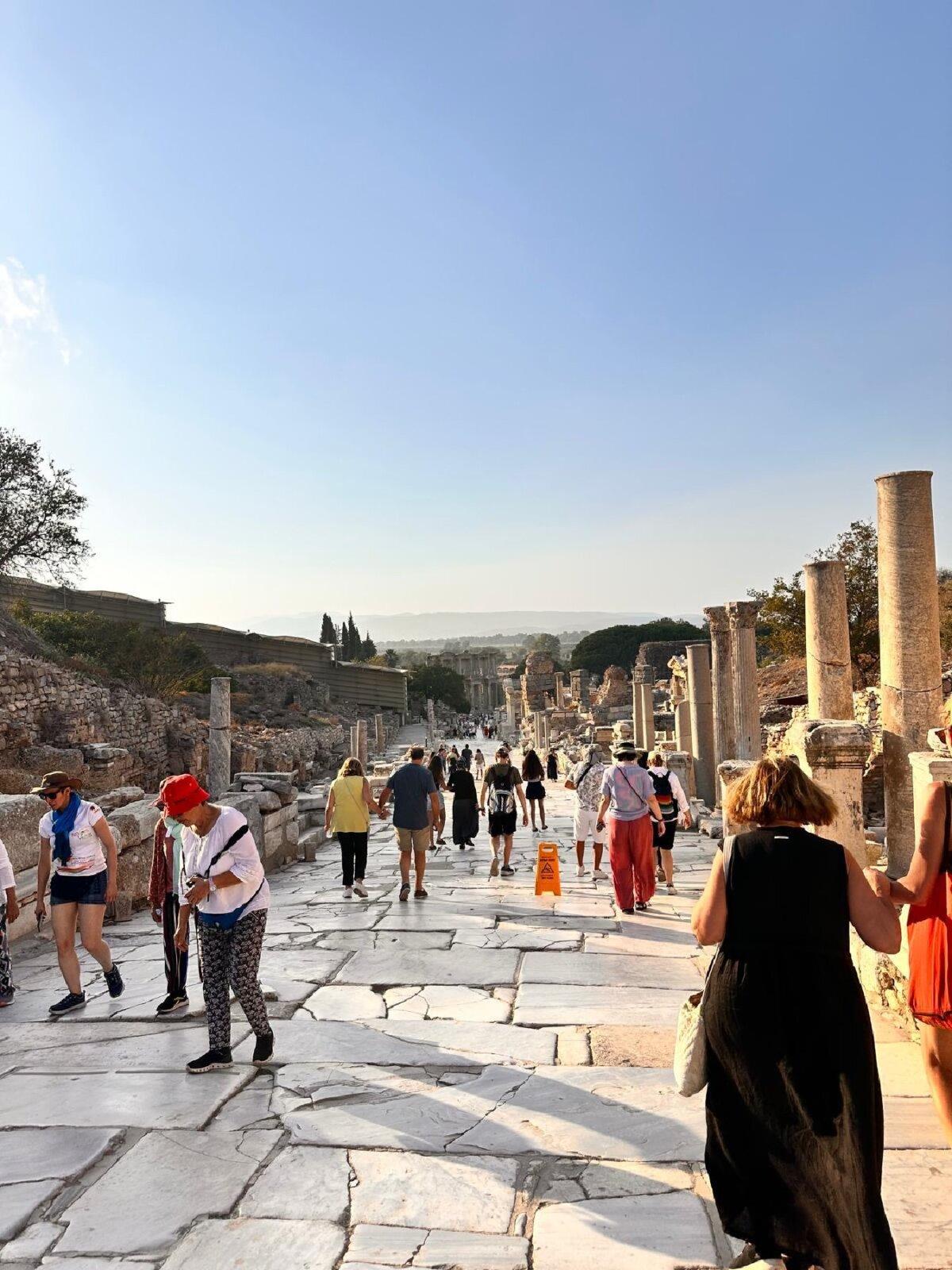
With the Aegean in the far distance, framed by the massive facade of the Celsus Library, the experience of the city was surreal. As we walked, our guide pointed out various highlights, including a bathhouse for men only, an agora, and the remains of the tomb of Arsinoe IV, the half-sister of Queen Cleopatra. He finished by saying that archaeologists have just recently discovered that it was not her tomb after all.
With these stories and others, told amid the ruins, the ancient city became increasingly alive for me. The site is so extensive and so well-preserved that it was easy to imagine the daily life of Ephesus and the ships that sailed from here when the city was a major Mediterranean port of early empires.