The value of your home can increase or decrease for a variety of reasons. Some variables are out of your control—like how hot your local housing market is or isn’t. But other variables may be within your control—namely, strategic upgrades to the premises.
8 Ways to Increase the Value of Your Home
There are many ways to add value to your home. Some are simple and fast DIY jobs. Others require an upfront investment and the use of professionals.1. Clean and Declutter
To increase your home’s value, start by reducing the amount of stuff inside it. Cleaning and decluttering are relatively inexpensive tasks, even in bigger homes. Professionally cleaning a four-bedroom home averages between $200 and $225, according to HomeAdvisor, though it varies greatly by metro. Decluttering can cost anywhere from $300 to $800 if you hire a professional, depending on the size of your space and where you live.2. Add Usable Square Footage
Homes are valued and priced by the livable square feet they contain, and the more livable square feet, the better, says Benjamin Ross, a Realtor and real estate investor based in Corpus Christi, Texas.3. Make Your Home More Energy-efficient
Projects that lower utility bills can increase the value of your home. And they don’t have to be complicated.
Improve your home’s efficiency and value by replacing old, leaky windows, installing energy-efficient home appliances and insulating walls. Swap out old incandescent bulbs for energy-efficient LEDs, which last longer and use less electricity.
If you have some extra cash, you can invest in solar panels. While there might be high upfront costs, they can reduce your electricity bill and reliance on the grid by tapping free solar energy. Solar panels can also increase the value of your home in areas with elevated energy costs and help it sell faster than those without the upgrades.
- Air sealing: $350 to $1,000
- Insulation upgrades: $1,200 to $3,000
- Duct repairs and sealing: $500 to $2,000
- HVAC repairs: $150 to $1,500
4. Spruce It up With Fresh Paint
A fresh coat of paint can make even dated exteriors and interiors look new again. The average cost of exterior painting is $3,178, according to Angi. Interior painting costs average around $2,022.Your exact painting budget will depend on a number of factors, including the materials, labor fees and size of your home.
Angi pegs painting a bathroom—usually the smallest room in the house—at somewhere between $200 and $400, while a living room might cost as much as $2,000.
If you just want to repaint a door or a single room, doing it yourself could cost you between $135 and $300. But for bigger jobs, especially exterior ones, hiring a painter might be worth it, since professionals can buy paint at wholesale prices, know what sort of finishes to use and are more adept at scaling ladders.
The timeline for each of these projects varies significantly. For instance, a professional painting company may be able to paint your house in three to four days, while painting a room in your home can take anywhere from two to eight hours, depending on room size and materials.
5. Work on Your Curb Appeal
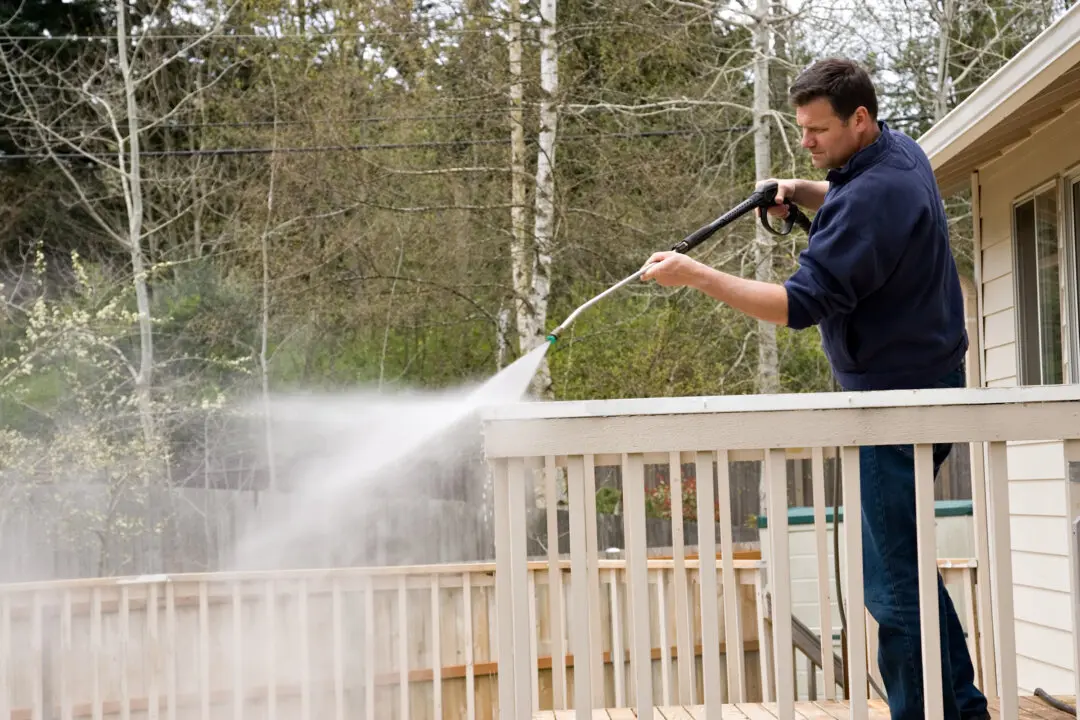
From power washing your driveway to mowing the lawn, improving curb appeal can make a big difference in your home’s value.Upgrading your landscape can go an especially long way, says Joe Raboine, vice president of Design at Oldcastle APG, a manufacturer of exterior building products. A fresh walkway, shrubs, planters, mulching or even a new patio or outdoor kitchen can give your home a needed facelift, but even small details like a new mailbox, light fixtures, solar-powered path lights or a new house number sign can make a world of difference.
6. Upgrade Your Exterior Doors
Continuing the theme of curb appeal, replacing an old front door can give your home a fresh look. “The front of the home is the first thing you, your neighbors and prospective buyers will see,” says Randy Oliver, president of Hollywood-Crawford Door Company.Don’t forget the garage doors, he adds. “Garage doors often take up the most amount of space on the front of your home, so installing a modern glass panel door or a rustic wood door will dramatically improve your home’s appearance.”
7. Update Your Kitchen
Many buyers zero in on the kitchen as the central feature of a home, so if yours is outdated, it can ultimately affect how much you garner from a sale. Likewise, if you aren’t able to utilize your kitchen fully due to layout, space or other concerns, you won’t be maximizing the space.But this project can be costly, and you likely won’t get back every dollar you invest. Mid-range or modest upgrades come closest and actually offer a better ROI than the most elaborate ones. A minor kitchen remodel costs around $10,000 to $20,000 and provides about 96 percent return on your investment when it’s time to sell, according to Angi. The timeline for this project can range from six to 10 weeks.
8. Install Smart Technology
State-of-the-art smart appliances, systems, and devices—which can “read” conditions in your home and make automatic adjustments—can help you reduce energy consumption, enhancing your home’s value and saving you money.By installing a smart thermostat, for example, you can adjust your home’s temperature based on a schedule. It can cost between $113 and $264 to make this quick upgrade, according to Angi. However, you could make that money back fairly quickly. According to Energy Star, a smart thermostat can save families an average of 8 percent on their energy bills, or about $50 a year. Based on your heating and cooling equipment, personal comfort preferences and other factors, the savings could be even higher. Installation is also relatively straightforward, taking only 30 to 45 minutes, though doing it yourself could take as long as one to three hours.
Reasons to Increase Your Home Value
Your home is likely one of your largest assets, so increasing its value contributes to your overall net worth. Raising your home’s value has other benefits, as well, such as:- More profit when you sell: A higher home value translates to a higher asking price when you put the place on the market.
- More tappable home equity: If you need cash, you can borrow against your home’s equity. The more your home is worth, the more you can potentially borrow.
- Some protection from market swings: If your home has a higher value, you might be able to guard against major dips in the housing market.
- No more mortgage insurance: If your home appraises for a higher value, it increases your equity stake, potentially to a level that leads to the elimination of private mortgage insurance premiums.
- Aesthetics and function: Upgrades increase your enjoyment and use of your home.
How to Pay for Home Improvements to Increase Value
There are many ways to finance home improvements. According to the 2025 U.S. Houzz and Home Study, cash (from savings) remains the most common way to pay for renovation projects (used 84 percent of the time), followed by credit cards (29 percent) and secured loans like home equity financing (12 percent).0 % APR credit card
Best for: Homeowners Focused on Smaller Projects
A 0 percent APR credit card charges no interest on balances for a set period, often up to 18 months. Just remember: If you don’t pay your balance off by the time your zero-percent APR offer ends, your card’s interest rate will reset to a higher variable rate, costing you more.Home Equity Loan or HELOC
Best for: Those with sufficient home equity who want a lower interest ratesBoth borrowing options require you to put your home up as collateral to qualify. They carry lower interest rates than credit cards or personal loans, and the interest might be deductible if you use the money to make eligible home improvements.
Cash-out Refinance
Best for: Homeowners who can qualify for a lower mortgage rate than they’re currently payingPersonal Loan
Best for: Borrowers with good credit who don’t want to borrow against their home.Bottom Line
Home renovations can indeed increase your home’s value, but not all projects provide the same return on your investment. Before beginning a home renovation project, do your research and find out how much you’re likely to benefit from the money you’re spending.Frequently Asked Questions
- How much do renovations increase home value? Different renovations can have varying degrees of impact on your home’s value. Respected trade journal Remodeling’s “2024 Cost vs. Value Report” notes a range of ROIs from 23.9 percent (for an upscale primary suite addition) to 193.9 percent (for replacing a garage door). Generally, you shouldn’t expect a dollar-for-dollar return on a renovation.
- How much remodeling can be done with $100,000? You can make some major upgrades to your home with a $100,000 budget. For example, you might be able to convert your attic into living space or add a bathroom, mudroom or sunroom. No matter what you decide to do to your home, you can stretch that $100,000 further by focusing on more affordable materials—think standard materials and finishes instead of custom choices.
- I want to renovate my house. Where do I start? Establish your goals. For example, do you simply want to get more enjoyment out of your home, or are you aiming to increase its value and sell it? Then, create an outline of everything you want to accomplish and get quotes from multiple contractors on cost and timeline.Before you go too far down the path to starting the project, make a plan for what you’re going to do during the renovation. Will you be able to live there during the construction, or do your plans call for gutting the home? If you need to relocate for part of the project, it’s important to figure out how to minimize those short-term living costs.
- What home improvements can I do myself? It really depends on how handy you are. You can paint your house yourself, and you can definitely clean without hiring a professional. Replacing doors is a little more complicated, but possible if you have the tools and experience. Adding new rooms, or upgrading your electrical, HVAC or plumbing systems is best left to professionals.
- What is the cheapest way to increase my home’s value? Cleaning and decluttering your house is essentially free, and can add a surprising amount to the value of your home. Painting interior rooms is also inexpensive and can make it a lot easier to sell your home for a good price.
- What is the best time to renovate my house? Opinion is divided on this question. It might be more comfortable to renovate your house in the spring and early summer, when you can work outside comfortably. However, contractors also tend to charge more at these times, so if you want the best possible prices, it can be better to renovate over the winter.
Key Takeaways
- While your home’s value is determined by many factors, some home improvements could help increase its worth.
- There are multiple ways to pay for upgrades, including cash-out refinancing, a home equity loan or home improvement loan.
- If you plan to sell your home, it’s important to determine not just how much improvements will cost, but also how much of that cost you’ll recoup.