Retirement doesn’t mean the end of bringing home a paycheck. Countless people are working in retirement, whether they’re consulting, working part-time or starting a new career.
For some, they’re working because they need the money. For others, money isn’t the issue. They’re working for other reasons.
“There are people who didn’t save enough and need the money or need the benefits, and there are people who enjoy work. It gives them something,” says Craig Copeland, director of wealth benefits research at the Employee Benefit Research Institute. “There are many positive reasons people work in retirement.”
1. Retirees Work to Counter Boredom
Bored in retirement? How can you be when you no longer have to deal with the daily grind? The reality is that boredom is a real concern that can set in for many retirees, particularly those who haven’t planned how they’ll spend their free time.2. Retirees Work to Forge Friendships and a Sense of Community
Work breeds community. You spend more than 30 hours a week with your co-workers, but when you retire, you lose that. For some retirees, it’s too hard to take. They miss that camaraderie and sense of community, and return to work to find it again.3. Retirees Work to Expand Their Horizons, Test New Things
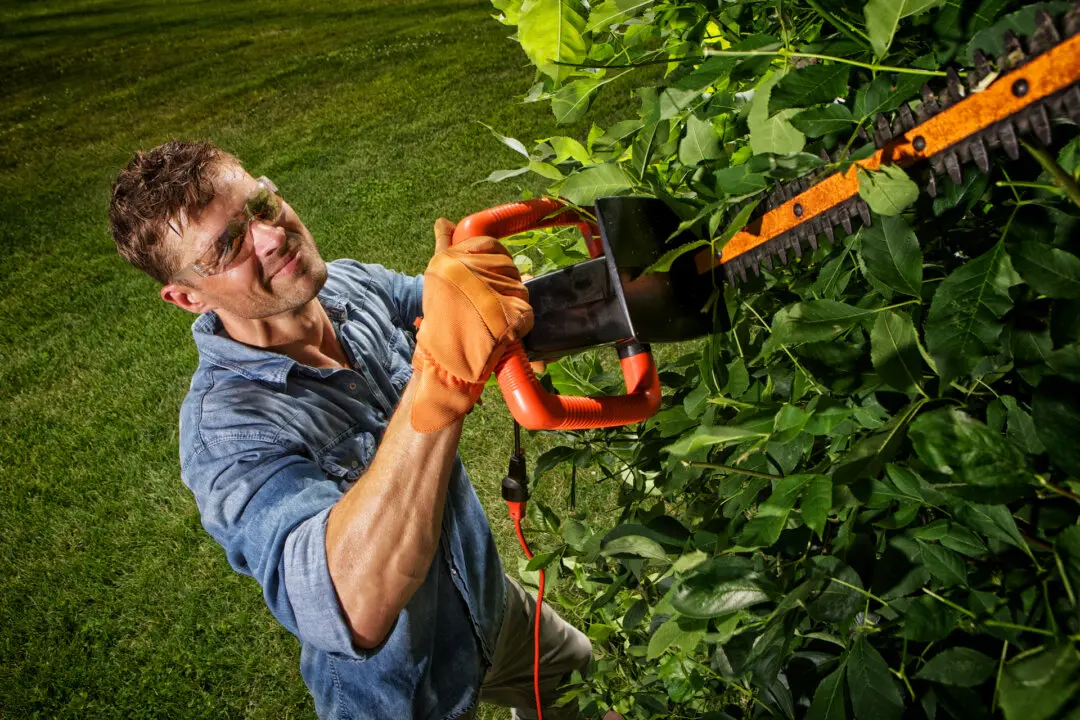
Some retirees can’t sit still, nor are they ready to take it easy. They view retirement as a second act, a chance to launch a new career, try a job they always wanted to do but couldn’t. Some older people even start businesses in retirement.

4. Retirees Work to Home in on a Hobby
Whether your passion is caring for animals or arranging flowers, some retirees use part-time jobs to hone in on their hobbies.5. Retirees Work Because Opportunity Comes Knocking
A person might have left their job, but that doesn’t mean the company wanted them to leave. Sometimes an opportunity arises to work at an old job part-time, to consult or to take a new job entirely. The person might not need the money, but the challenge or opportunity might be too intriguing to pass up.6. Retirees Work Because They Enjoy Working
Not everyone hates their jobs or work in general; some people like being employed. Working gives them a sense of purpose and structure, and they have fun.Based on the 2025 Retirement Confidence Survey from the Employee Benefit Research Institute, 88 percent of respondents who plan to work in retirement said the primary reason is that they enjoy working.
7. Retirees Work to Boost Their Savings
Retirees might not need money in retirement, but that won’t prevent them from worrying about their savings being depleted.How to Increase Your Chances of Getting a Job
Reasons abound why people work in retirement, but that doesn’t mean the transition is always easy. Whether you’re thinking about consulting or taking a part-time job, here are some tips to get hired.Start by asking yourself: What problems do you solve best and for whom? Your answer to that, says Jenn Herrity, career trend expert at Indeed, is what becomes your niche. From there, you have to put in the work to make it happen.
“Polish your pitch—refresh your professional profiles, list your service offerings, case studies and rates, and set up job alerts for consulting gigs,” says Herrity. “Tap your network of former colleagues and industry groups.”
Herrity says retirees should start small when consulting. Take on shorter-term projects that can deliver quick results. That will enable you to collect testimonials, positive reviews and hopefully, word-of-mouth referrals. By going slow, you can also determine if consulting is right for you.
Part-time jobs run the gamut from substitute teacher to retail associate. As the holidays approach, there is also an increase in seasonal work.
To secure a part-time job, you first need to determine your motivation. Are you doing it to be closer to a hobby or passion? Is it to have social interactions? What you want out of your job will dictate how you search.
Whichever way you go, create or update your résumé, making sure each version is optimized for the job you’re seeking.
“If you have been out of the workforce for a while and are looking to return to work, list that on your résumé as a career break and explain in a bullet or two the activities you did,” says Toni Frana, FlexJobs’ career expert manager. “Show the employer you’re engaged and have been doing things out of the workforce.”
Don’t Give Up Hope
Finding a job in retirement might not happen overnight. It could take time and work. But if you stay committed, your hard work will pay off.“Retirees today have more ways than ever to blend purpose, flexibility and income,” says Herrity. “The challenge is often figuring out which of these paths best matches your skills and lifestyle.”
Since it’s for love, not money, you can and should take the time to find the right fit.