Three moments with books:
A tourist stands in my bookshop and watches her two tween grandchildren browsing the shelves. “I don’t care what they read,” she said, “as long as they’re reading.”
A student in my AP Literature class for homeschoolers raises her hand and asks, “Mr. Minick, why are all the books we read so depressing?”
A teenager ahead of me at the public library’s checkout desk puts “The Silence of the Lambs” on the counter and slides it to the librarian. “You should post some kind of warning on this book,” she said. “I can’t get certain scenes out of my mind.”
The bookshop customer is dead wrong. Would she ever say, “I don’t care what my grandchildren eat, as long as they’re eating?”
The AP Lit student is absolutely right. A good number of the modern “classics” on the AP recommended book lists are downers: “Heart of Darkness,” “The Catcher in the Rye,” “The Road,” “A Farewell to Arms,” and even “The Great Gatsby.”


An Overlooked Risk for the Young
We hear much these days about the toxic damage done to teens by social media and video games: the anxiety and depression they can breed, their negative effects on attention span and clear thinking, and the sheer waste of time spent hunched over a phone or a console.Less controversial but equally as important are the books our young people read. If parents and teachers are trying to raise students of good character and send them off to college or into the workforce with a degree of optimism, then why do they hand them bleak works of literature depicting depravity and despair?
Facing Dragons Without Swords or Hope
Johnson points out that certain books on her school’s reading list—including Steinbeck’s “Of Mice and Men”—show “hardship without hope.” They focus on “negative examples, not heroes,” fail to instill a healthy morality in students, and desensitize readers. She rightly contends that “older classics are firmly rooted in our Western values, while many modern works are expressly fatalistic,” noting that even a grim story such as Dostoevsky’s “Crime and Punishment” offers pathways of redemption for its characters.“Modern literature, on the other hand, tends to have the message that ‘life is terrible and that is it,’” she writes.
In making her argument against literature that offers this one-sided, bleak view of human nature, Johnson briefly anticipates a rejoinder to her argument. She writes, “Some people reading this are going to say something along the lines of, ‘Yes, the modern books you list are gritty, but we shouldn’t shelter kids from reality.’”
A List to Get You Started
Below is a list of 40 literary works that teens should enjoy and that, with one exception, I’ve read. I’ve also taught nearly half of them to middle school students and high schoolers. Absent are the standard classics such as the novels of Jane Austen or Charles Dickens. Some on this list are classics; some should be classics. All are books that, as Johnson writes, belong to “a literary canon that effectively inspires young people to become principled adults.”- “Watership Down” by Richard Adams. The best-selling tale of a warren of rabbits courageously seeking a new home.
- “Nothing but the Truth” by Avi. An insightful look at what goes on behind today’s headlines.
- “Hannah Coulter” by Wendell Berry. An elderly Kentucky woman looks back over her life. A great story of farming and family.
- “The Martian Chronicles” by Ray Bradbury. The American story, reimagined on another planet.
- “The Innocence of Father Brown” by G.K. Chesterton. This priest-detective solves mysteries by discernment of the heart. First in a series.
- “Murder on the Orient Express” by Agatha Christie. A classic from the mistress of mystery.
- “The Adventures of Sherlock Holmes” by Sir Arthur Conan Doyle. No further description necessary. Series.
- “Johnny Tremain” by Esther Forbes. A silversmith’s apprentice comes of age in Boston during the American Revolution.
- “The Power and the Glory” by Graham Greene. A persecuted priest in Mexico struggles between duty and desire. (For older teens)
- “Young Goodman Brown and Other Short Stories” by Nathaniel Hawthorne. Old stories pertinent in theme to issues in our 21st century. (Dover Thrift Edition)
- “A Soldier of the Great War” by Mark Helprin. A tale set in Italy of war, love, and manhood. (17 and older)
- “Redwall” by Brian Jacques. Valiant mice seek to defeat their enemies. First in a series.
- “At Home in Mitford” by Jan Karon. Gentle humor in a small town. First in a series.
- “Last of the Breed” by Louis L’Amour. A Native American pilot trapped in Soviet Russia.
- “Till We Have Faces” by C.S. Lewis. The tale of Cupid and Psyche, wondrously retold.
- “Christy” by Catherine Marshall. A young teacher in Appalachia struggles to make a place for herself and for her school.
- “Gone with the Wind” by Margaret Mitchell. A tale of the South during and after the Civil War.
- “Father Elijah: An Apocalypse” by Michael O’Brien. A priest undertakes a special mission to thwart evil and global disaster.
- “Love Comes Softly” by Janette Oke. Author of gentle stories with a Christian theme. First in a series.
- “Animal Farm” by George Orwell. A must-read showing how dictatorships are established.
- “Hatchet” by Gary Paulsen. A boy battling alone against the Canadian wilderness. First in a series.
- “A Morbid Taste for Bones” by Ellis Peters. Meet Brother Cadfael, medieval monk detective. First in a series.
- “The Chosen” by Chaim Potok. Friendship and father-son conflict in 1940s Brooklyn.
- “The Yearling” by Marjorie Kinnan Rawlings. A boy, a deer, a struggling family, and a disaster.
- “Arundel” by Kenneth Roberts. Benedict Arnold and the American Revolution. First in a series.
- “Shane” by Jack Schaefer. The classic Western.
- “The Killer Angels” by Michael Shaara. A fictionalized account of the Battle of Gettysburg.
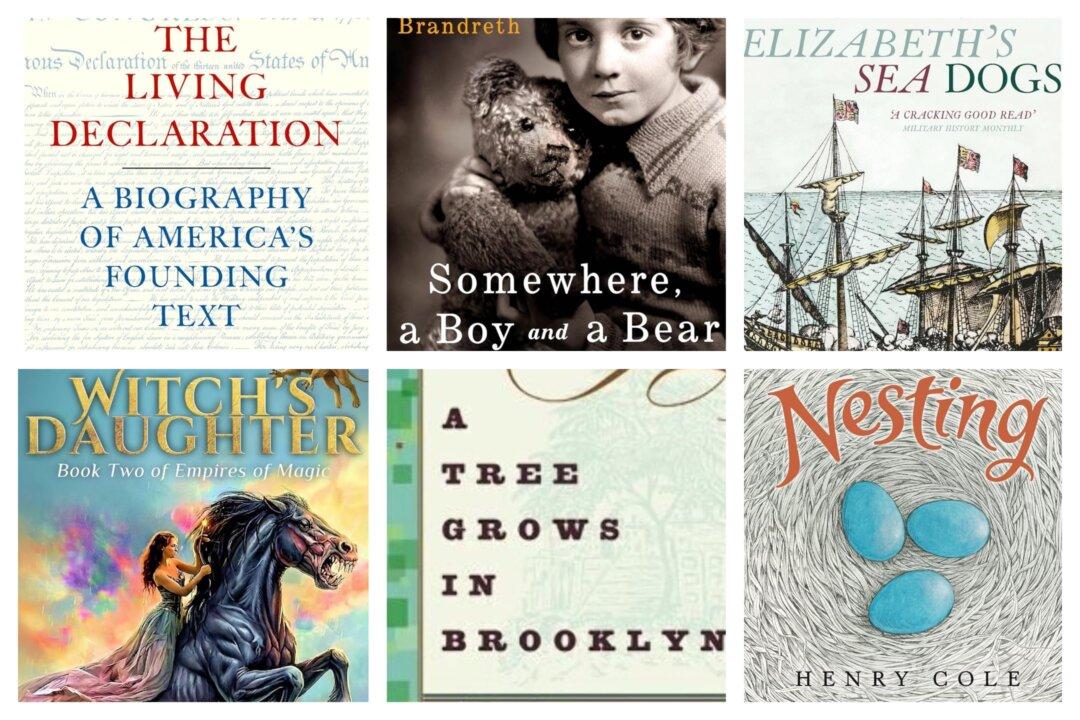
- “A Tree Grows in Brooklyn” by Betty Smith. The story of Francie Nolan as she battles her way past poverty to find her dreams.
- “I Capture the Castle” by Dodie Smith. A family of eccentrics, sisterhood, and how they care for each other.
- “100 Best-Loved Poems” edited by Philip Smith. A thin book with some of our greatest verse.
- “One Day in the Life of Ivan Denisovich” by Aleksandr Solzhenitsyn. Life and hope in a Soviet labor camp.
- “A Walk to Remember” by Nicholas Sparks. A story of two high school students who learn to understand, care for, and love each other.
- “Treasure Island” by Robert Louis Stevenson. You know the plot; now treat yourself to the author’s fantastic way with words.
- “The Agony and the Ecstasy” by Irving Stone. Michelangelo, the Sistine Chapel, life in Renaissance Italy, and more.
- “Uncle Tom’s Cabin” by Harriet Beecher Stowe. Surprisingly modern tone to a book that helped change American history.
- “The Eagle of the Ninth” by Rosemary Sutcliff. Courage and daring in this account of Ancient Rome and the British Isles.
- “Roll of Thunder, Hear My Cry” by Mildred Taylor. A family faces racism and injustice during the Depression.
- “Saint Maybe” by Anne Tyler. A tale of a young man’s guilt, grief, and redemption.
- “Our Town: A Play in Three Acts” by Thornton Wilder. The quintessential look at small-town America and the beauty that lives in ordinary people.
- “The Inimitable Jeeves” by P.G. Wodehouse. The hilarious tales of Bertie Wooster and his wise, indefatigable valet.