Born a Storyteller
No one knows where Aesop was born, or if he even existed. The few available facts about his life and works remain shrouded in mystery. Possibly born a slave in about 620 B.C., he spent many years in Samos, a Greek island in the eastern Mediterranean. He eventually obtained his freedom, probably because he was a clever enough speaker to impress powerful kings, merchants, and philosophers.Disgruntled, the colony asks for another king. This time Zeus sends them a water snake, which hunts them down mercilessly. To end their affliction, the colony pleads with Zeus one last time, but he doesn’t answer.
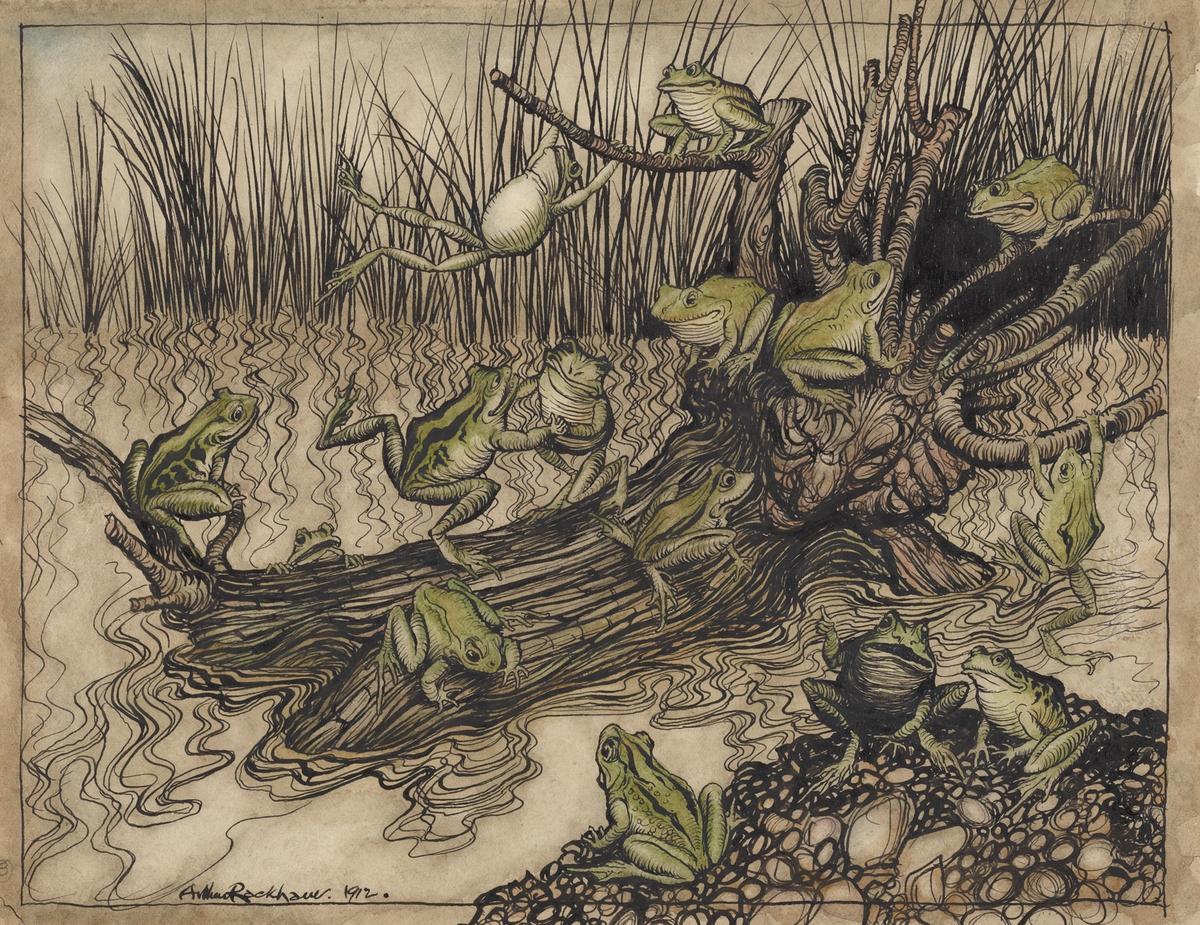
In typical matter-of-factness, Aesop voiced the story’s moral through Zeus, who addressed the frogs, stand-ins for contemporary Athenians: “Since you rejected what was good in order to get something bad, you better put up with it—or else something even worse might happen!”
‘The Tortoise and the Hare’
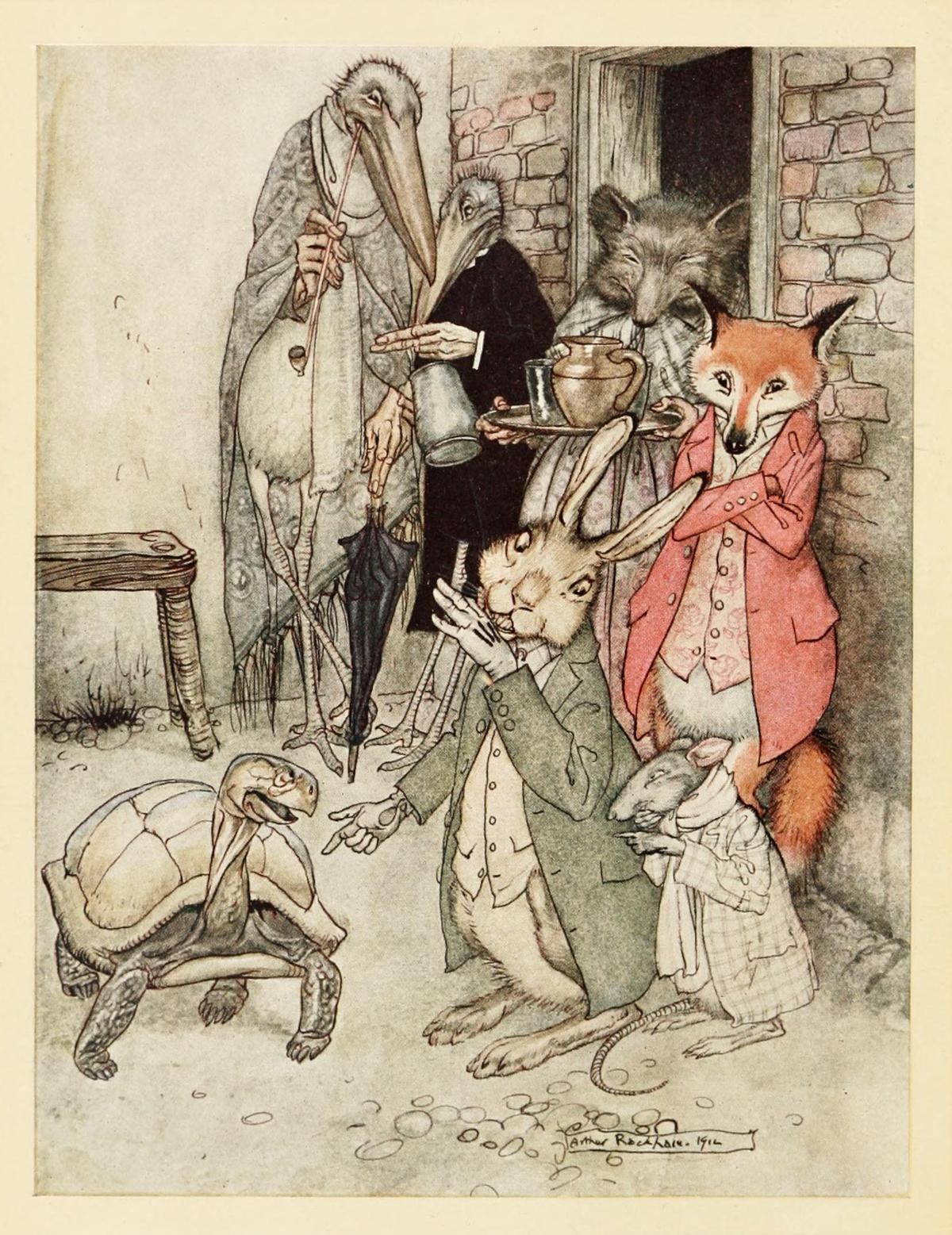
In what is probably Aesop’s most-famous tale, a fast but boastful hare taunts a slow-moving tortoise. Irked by mockery, the tortoise challenges the hare to a race. Confident of an easy win, the hare decides to rest before running. The tortoise doesn’t delay. It takes off immediately. But when the hare finally arrives at the finish line, it discovers that the race is already over, and the tortoise has won.Aesop concluded, “Many people have good natural abilities which are ruined by idleness; on the other hand, sobriety, zeal, and perseverance can prevail over indolence.”


Competence often motivates idleness. But idle complacency, although comfortable, stifles us. We forget a foreign language as soon as we stop using it. We lose skills in sports unless we play, just as our artistic abilities will wane if we neglect them, no matter how good they are.
The hare remains talented, but overconfidence prevents it from realizing its potential. Unless nourished, talent withers.
‘The Fox and the Grapes’
Sometimes Aesop’s fables involving personified animals feature only one character. In “The Fox and the Grapes,” a hungry fox sees a cluster of inviting grapes. The vine is too high for the fox to reach. Frustrated at its own inability to get what it wants, the fox insults the vine: “Oh, you aren’t even ripe yet! I don’t need any sour grapes.”The Jackdaw and the Peacocks
One of our universal tendencies is to seek more credit than we need, just like Aesop’s jackdaw. “Puffed up with foolish pride,” the jackdaw puts on some peacock feathers it just found on the ground. Its new, flamboyant identity spurs it to try to join the peacock flock. Without a second thought, the peacocks peck every feather off the jackdaw and expel it from their muster.Once the jackdaw returns to its band, its fellow jackdaws barely recognize it. It’s scolded harshly: “If you had been content to dwell among us, satisfied with what Nature had bestowed on you, then you would not have been humiliated by the peacocks, nor would your disgrace have met with our rebuff.”
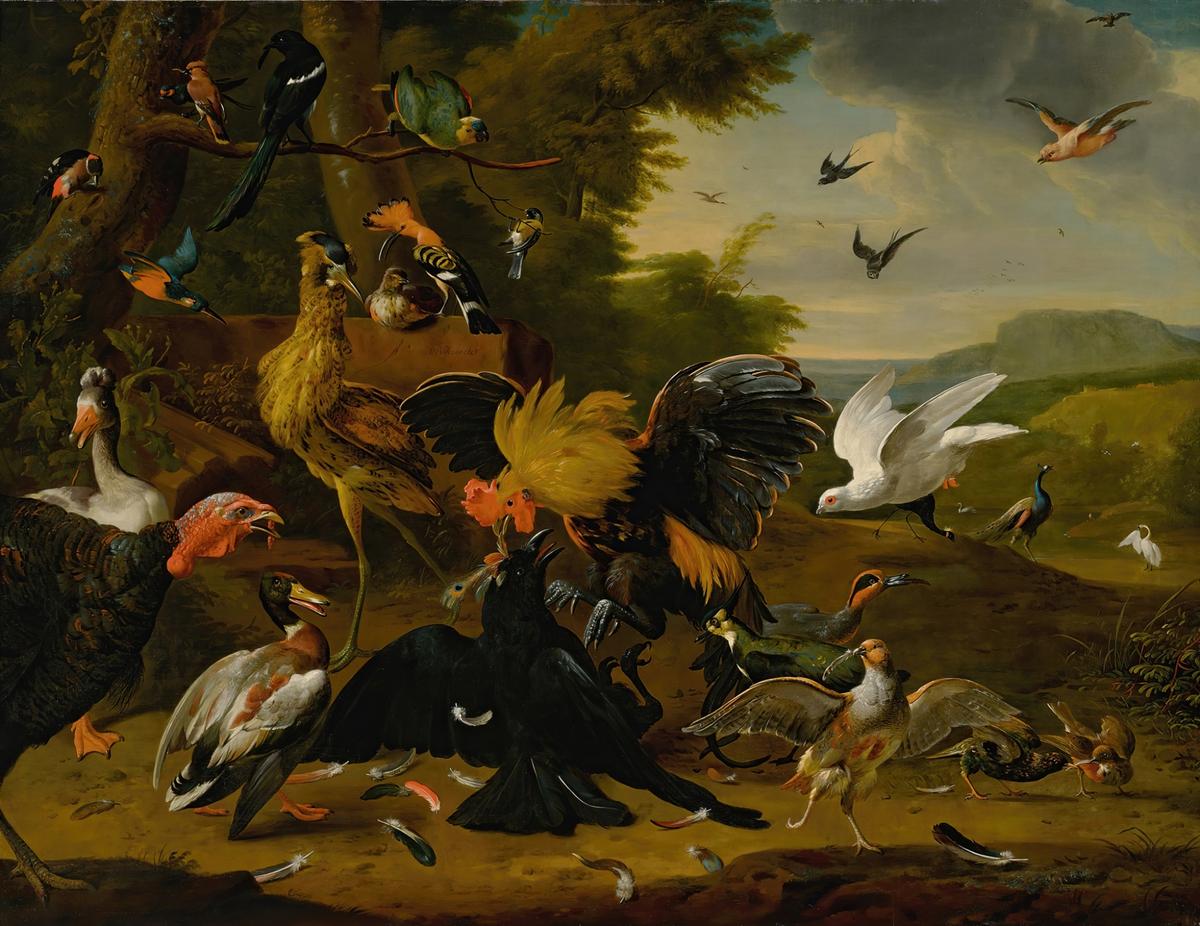
In trying to gain a reputation for the sake of vainglory, the jackdaw adopts an identity that isn’t its own, stepping foolishly beyond its limits, although only for a moment. The consequences are far more serious than the expected gains. Instead of joining a second group, the jackdaw loses membership to both.
The Boy Who Cried Wolf
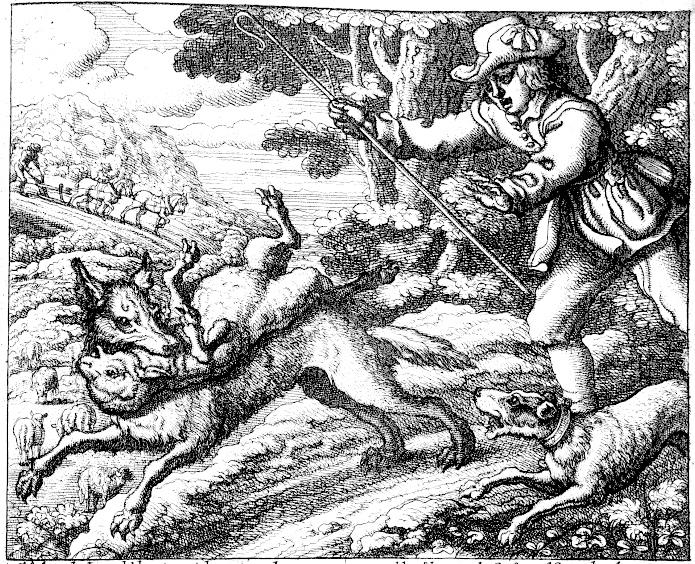
Another popular Aesopic fable speaks to the dangerous nature of lies. Looking for a pastime, a young shepherd begins shouting to the townspeople: “Wolf! Wolf!” All come running, ready to protect their flocks, only to find out the boy had lied. One day, a real wolf approaches. The boy shouts again, but no one believes him. He can’t do anything by himself, so the wolf eats the entire flock. In some modern versions, the wolf also eats the boy.The reputation of a liar lingers. When they finally tell the truth, no one believes them. The consequences are dire for everyone, not only for the young shepherd. A town without sheep loses wool, meat, and money. Telling lies doesn’t only cause personal demise; it jeopardizes the entire community. Today, when information can be created and divulged far and wide by anyone, Aesop’s concern is more timely than ever.
Aesop: A Timeless Storyteller
The 2008 Oxford World’s Classics edition of Aesop’s fables includes 600 stories. Many are variations of Aesop’s original tropes written thousands of years later by dozens of authors, which goes to show how contagious and compelling the Greek’s format has been. The stories continue to feature in live performances across the world.It’s tempting to dismiss Aesop’s tales as irrelevant children’s literature. They’re often crude, and their conclusions aren’t nuanced. Yet they’ve endured for millennia, providing food for thought to countless generations. Their simplicity is refreshing, as is their prescriptive clarity.
Aesop nudges us to contemplate ourselves, assess our behaviors, and ponder their consequences. Like many timeless stories, his tales endure because they speak to something constant in our nature, be it the tendency to overestimate our talents, the habit of denying facts to avoid insecurity, or the temptation to put ourselves above the common good.