Romans Painted It First
According to the Universalis Foederatio Presepisticaor or International Friends of the Crib Federation (IFCF), Romans first painted Nativity scenes in second-century funeral frescoes. In the Catacombs of Domitilla, one fresco shows a seated Virgin Mary holding Christ while the Magi wait in line to pay their respects.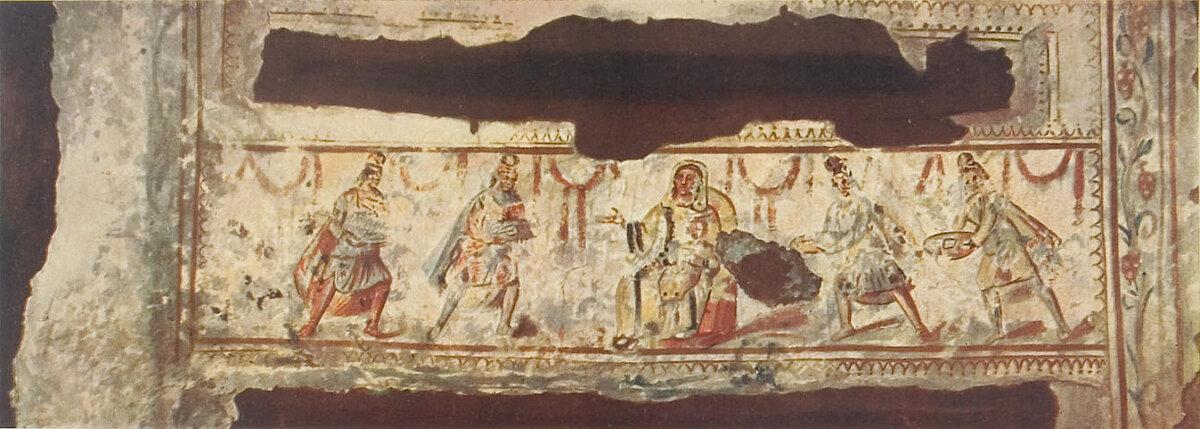
St. Francis of Assisi’s Crèche Wasn’t 1st
As far back as the ninth and 10th centuries, Europe had a sacred trope tradition. According to the IFCF, “the trope—a liturgical and paraliturgical theatrical representation—arose with the aim of helping the predominantly illiterate population to ’see' and better understand the episodes narrated in the Gospel, which were read in Latin.”Christians initially performed tropes in churches, but they were relocated to public spaces when the performances deviated from biblical content.
Traditional Nativities With Local Flair
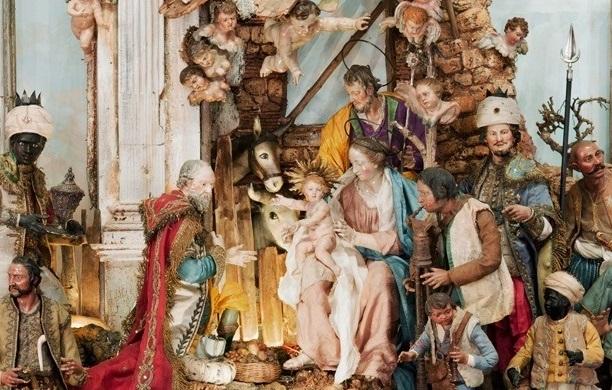
While staying true to biblical iconography, crèche scenes around the world often incorporate local dress, customs, and landscapes. Some crèche scenes focus on the stable in Bethlehem with the Holy Family, the ox and donkey, the shepherds, and sometimes the Magi. Other scenes add vast dioramas with a procession of worshippers in specific locales.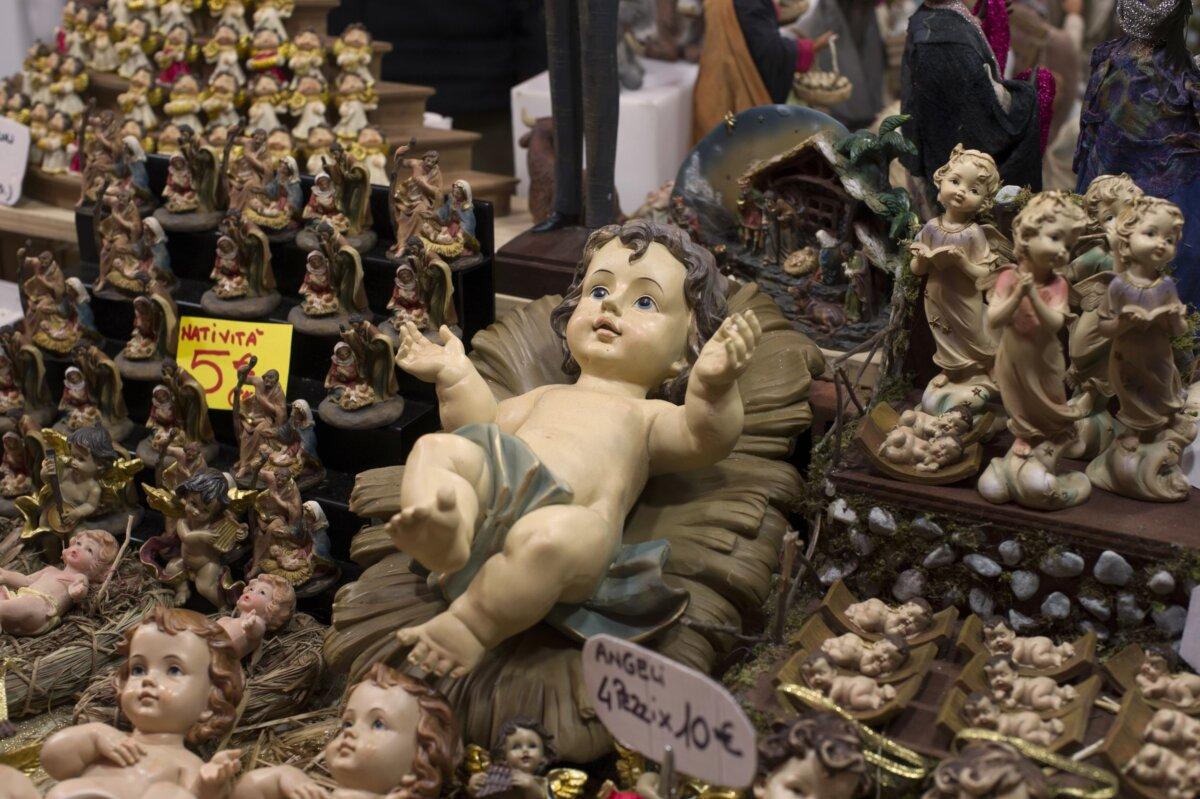
For instance, the tradition of the Provençal crèche emerged in Provence, in southeastern France, around 1775. Instead of depicting Bethlehem, they set clay figurines in a local village full of olive groves and lavender fields. A procession of villagers—among them a baker, a fishmonger, and a blind man and his son—makes their way to the Holy Family. During the French Revolution, when churches were forcibly closed and public holy displays forbidden, Provençal Catholics recreated these crèches in their homes.
Fifty-five figurines called “santons,” or “little saints,” complete the Provençal crèche. About 120 “santon” workshops still create the traditional figures in Provence.

Preserving the Crèche Worldwide
The IFCF represents 20 organizations from North America, Europe, and South America. Together they support crèche artists and promote and preserve the tradition.As one of the IFCF founding articles states, “all friends of the Crib, that is to say, all men of good will who feel the emotion of the Crib, have a moral duty to keep alive the tradition of this noble art.”