This copy is for your personal, non-commercial use only. Distribution and use of this material are governed by our Subscriber Agreement and by copyright law. For non-personal use or to order multiple copies, please contact The Epoch Times Reprints.
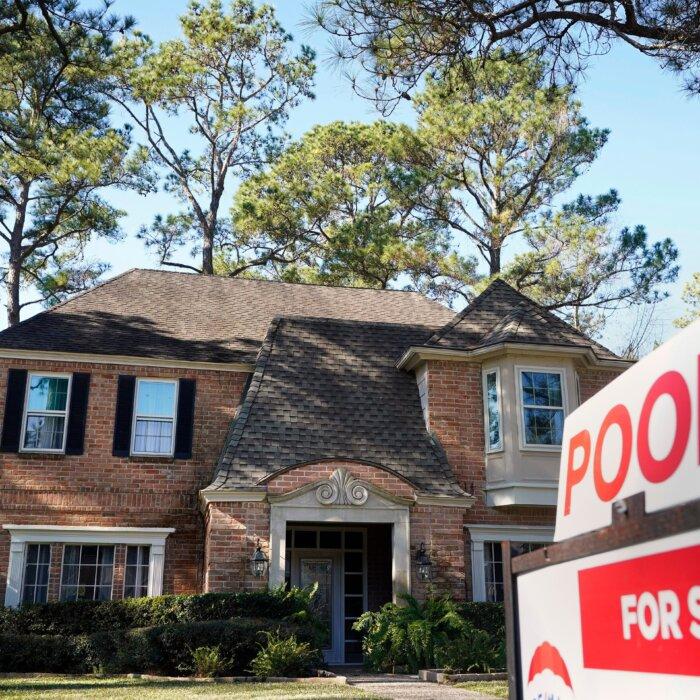
Many Americans believe that the dream of homeownership is out of reach, but a Bankrate survey revealed that at least some of those frustrations may be due to misconceptions that make homeownership seem harder than it really is.
The public opinion poll, fielded earlier this year, found that 41 percent of U.S. adults think that now is a “bad time” to buy a home, and 26 percent say they will “never” be able to afford their dream home. It also shows that many have over-inflated perceived barriers to getting a home loan, such as less-than-stellar credit.
Here are the most common myths revealed in the survey and how they stack up to reality.
Myth: I Need Excellent Credit to Land a Mortgage
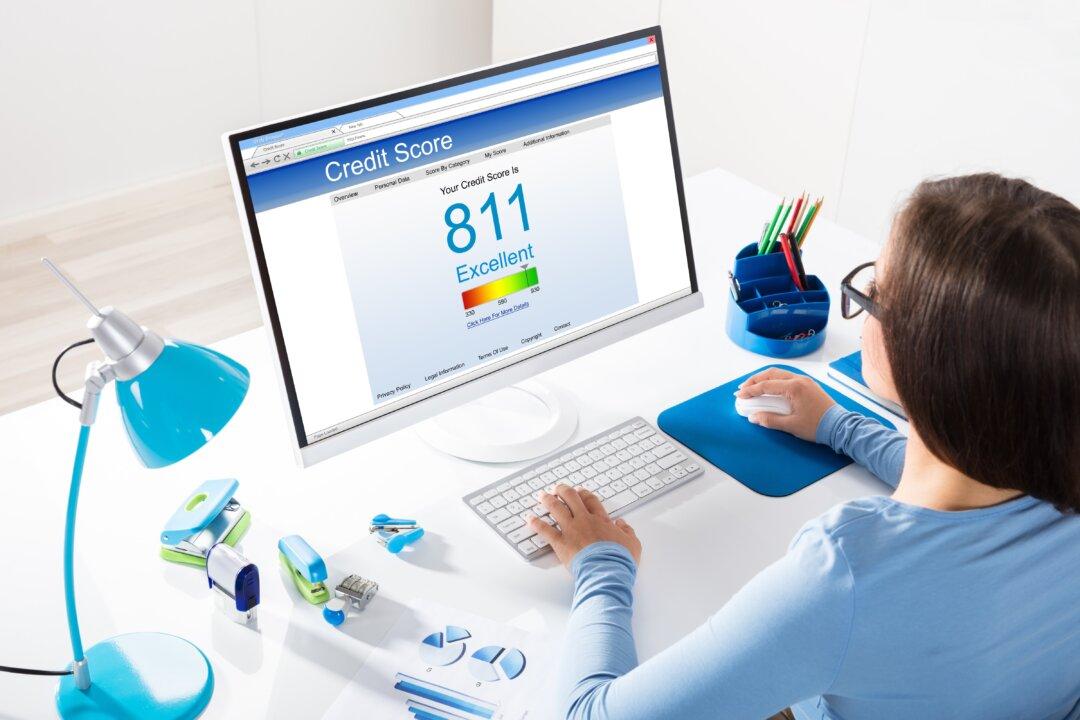
The survey found that 39 percent of Americans believe that a home buyer needs “excellent” credit to get a mortgage. While it’s true that excellent credit will help you qualify for the best deal, it’s quite possible to land a mortgage with a credit score of less than 700.
According to Equifax, a credit score of 800 or higher qualifies as “excellent.” “Very good” means 740 to 799, which is still quite creditworthy. A credit score of 670 to 739 is considered “good,” while 580 to 669 is “fair.”
“Someone with a 620 credit score or higher is eligible for many of our first-time homebuyer programs,” said Scott Linder, senior vice president at TD Bank.
You will pay more as a borrower with a lower credit score—FHA and VA loans carry higher fees than conventional loans. But you still can qualify for a mortgage with a score well below the excellent range.
Myth: You Need 20 percent Down
With home prices still at record levels, many potential buyers are pessimistic that they can afford down payments and closing costs. According to Bankrate’s survey, 39 percent believe that a buyer needs a 20 percent down payment.
A 20 percent down payment indeed helps qualify you for the best combination of mortgage rate and fees, but many people qualify for a mortgage with less than 20 percent down. FHA loans require just 3.5 percent down, while VA loans require nothing down. You can get a conventional loan with less than 20 percent down, although you will have to pay private mortgage insurance (PMI) in that case.
That’s good news, because the typical home price nationally is about $400,000, and most first-time buyers don’t have $80,000 to devote to the down payment.
It’s possible that Americans know they can qualify for a loan with less than 20 percent down but simply don’t think it’s wise, said Brad Case, chief residential economist at Homes.com.
“People have different ways of interpreting the question,” he said. “It may be that 19 percent of them think that’s a requirement, and the other 20 percent think they shouldn’t buy with less than 20 percent down. You’re signing up for the biggest loan you’ll ever take, and it lasts for 30 years. So you’re taking on a lot of risk.”
Myth: Owning Is Cheaper than Renting
Unlike the other two, this last myth doesn’t speak to the barriers of homeownership as much as it illustrates a general misunderstanding about financing a home purchase.
According to the survey, just 18 percent of American adults agreed that renting is cheaper than owning a home, even though it’s generally the case in much of the country. According to Realtor.com’s March Rental Report, renting is more affordable than buying in all 50 of the largest U.S. metro areas, with an average monthly savings of $920 compared to buying.
In some places, the gap is massive. In Northern California, you will spend about $6,000 more per month owning versus renting, according to Bankrate data. In only a couple of metro areas is the math even close: In Detroit, where the average rent was $1,481 and the average homeownership cost was $1,515 last year, and in Pittsburgh, where the typical rent was $1,452 per month and the typical homeownership cost was $1,601.
That doesn’t mean homeownership is not a valid goal. You could view savings from a rental as an opportunity to build toward tomorrow’s purchase.
“Renters who are intentional about saving have a real opportunity to build toward a down payment faster than they might think,” said Danielle Hale, chief economist at Realtor.com.
One reason to buy a home: Households that purchase their first home by age 30 see a 22.5 percent higher net worth by midlife compared to those who wait until their 40s, according to Realtor.com. That corresponds with the well-worn notion that renting amounts to throwing away money each month, while owning is akin to paying yourself.
Methodology
This study was conducted by SSRS on its Opinion Panel Omnibus platform. The SSRS Opinion Panel Omnibus is a national, twice-per-month, probability-based survey. Data collection was conducted from Jan. 16 to Jan. 20 among a sample of 1,007 respondents. The survey was conducted via web and telephone and administered in English. The margin of error for total respondents is plus or minus 3.5 percentage points at the 95 percent confidence level. All SSRS Opinion Panel Omnibus data are weighted to represent the target population of U.S. adults ages 18 or older.
Visit Bankrate online at bankrate.com. Copyright 2026 Bankrate.com. Distributed by Tribune Content Agency, LLC.