Summer 2026 will be the season of “fluxury.”
Not familiar with that term? Neither was I until I began researching this story, and it seems that sky-high oil prices (triggered by the American and Israeli attack on Iran) will play a significant role in how consumers plan their summer getaways this year.
Travelers far and wide have apparently realized they’re going to have to make sacrifices this summer in order to indulge in a getaway, and “fluxury” will be one of many workarounds.
“Rather than choosing between all-out luxury and strict budget travel, travelers are going to be more flexible and creative with how they spend their vacation, mixing high and low,” said Tara Cappel, founder and CEO of FTLO Travel, a travel company for solo travelers in their 20s and 30s.
What will that look like exactly? Travelers, for example, may splurge on one standout or high-end hotel for their summer vacation while opting for simpler accommodations for the remainder of their getaway.


Alternatively, they may spend big on once-in-a-lifetime experiences such as safaris, cooking classes, and Michelin-star dining while keeping other expenses in check, Cappel said.
“This allows travelers to reach bucket-list destinations and take longer trips without overspending, making aspirational travel feel more attainable,” Cappel said.
Northern Escapes, AKA Coolcations
Climate change continues to be a real thing (even though many still deny it). And as global warming has progressed, historically popular summer destinations across Europe have heated up. In response, many travelers are looking elsewhere for their summer escape.“Travelers will still want to travel to Europe in July and August but to escape the heat will head north to the Nordic countries Denmark, Norway, and Sweden,” Cappel said.
Nordic destinations have been gaining attention among travelers over the past couple of years and, as a result, have gone from well-kept secrets to trendy Euro summer hotspots (not that kind of hot), especially the fjords of Norway, Denmark’s bustling capital, Copenhagen, and Sweden’s cozy fishing villages, Cappel said.
But it’s not just Nordic destinations that benefit from this trend this summer. Canada and the Pacific Northwest in the United States are becoming more popular now than ever, said Jesse Neugarten, founder and CEO of Dollar Flight Club.
“At Dollar Flight Club, we’ve been tracking deals to Halifax, Vancouver, Toronto, Montreal, and Calgary all under $400 this summer,” Neugarten said. “That’s cheaper than a lot of domestic beach destinations, and you’re getting cooler weather.”
Microcations
Circling back to our discussion at the beginning of this article about oil prices affecting all things summer travel-related, it seems consumers are (understandably) more price sensitive this year due to the increased price of everything from gas to airfare. As a result, we will likely see an increase in what experts have dubbed “microcations.”This is “due to lower costs associated with these short trips,” which still offer a way to get away, Jimmy Yoon, head of points intelligence for the platform point.me, told TravelPulse.
Analog Camping
Another new term for summer 2026, analog camping, involves actively moving away from over-programmed vacations and back toward something simpler, the kind of trips they took as kids, said Jenny McCullough, associate vice president of brand growth for Kampgrounds of America (KOA).“According to our recent Camping and Outdoor Hospitality Report, half of campers say they’re likely to plan a trip that relives a childhood camping experience, and that number jumps to 72 percent among Gen Z and 68 percent among millennials,” McCullough said.
There’s also a growing appetite for real skill-building, according to that same KOA report: 44 percent of campers want to learn bushcraft skills such as fire-making and foraging, and Gen Z is leading that charge at 81 percent.
Drive-to Destinations and Regional Travel
Soaring oil prices strike again. In this case, the volatility of airline tickets and gas prices is inspiring a growing preference for convenience.“Travelers are increasingly prioritizing regional, drivable destinations,” said Jennifer Barnwell, president of Curator Hotel & Resort Collection, which includes properties throughout the United States.
“We’re seeing strong demand for properties within a two- to four-hour radius of major metro areas, particularly those offering outdoor access and a distinct sense of place,” Barnwell said.
Southward Shift in Caribbean Travel
Among travel advisers who specialize in the Caribbean, the most consistent pattern being identified for the summer ahead is a move away from western Caribbean destinations and toward the southeastern Caribbean, meaning that islands such as Saint Vincent and the Grenadines, Saint Lucia, and Grenada are seeing noticeably stronger demand than in 2025, said Jonathan Patton, founder of Rivage Travel.“A primary driver behind this change is how clients are thinking about risk right now,” Patton said. “The effects of Hurricane Melissa [which struck the region in October 2025] are still on our clients’ minds, so they’re booking destinations largely outside the primary hurricane belt.”
This regional shift has given Patton’s clients more confidence to book summer travel “without the stress of storm season hanging over their trip,” he said.
Experience 1st, Destination 2nd
Yet another intriguing development emerging this summer surrounds how travelers are making their decisions. It seems some globetrotters are less likely to start the conversation with “I want to go to this island.” Instead, they are starting their searches based on what sort of experience they’re after, such as “I want to be completely disconnected,” “I want something my friends have not done yet,” or “I want a beachfront experience without dealing with a villa rental.”“What we’re seeing across the board is a trend line moving towards more intentional travel decisions, where the experience is driving the booking, not the resort,” Patton said.
RV Rental Renaissance
RV travel is having a moment. Renting an RV is quickly becoming the on-ramp for a new generation of road trippers who want the freedom to go wherever the road takes them without the long-term commitment of buying a vehicle, said McCullough.The company’s Camping and Outdoor Hospitality Report reveals that 55 percent of Gen Z say they’re likely to rent an RV for a road trip in 2026, and Gen Zers interested in RV travel are twice as likely as millennials to rent rather than own.
Interest is broad-based, too, as nearly half of all campers and half of millennial glampers say they’re likely to rent an RV this year.
Short-Haul Flights Carry the Summer
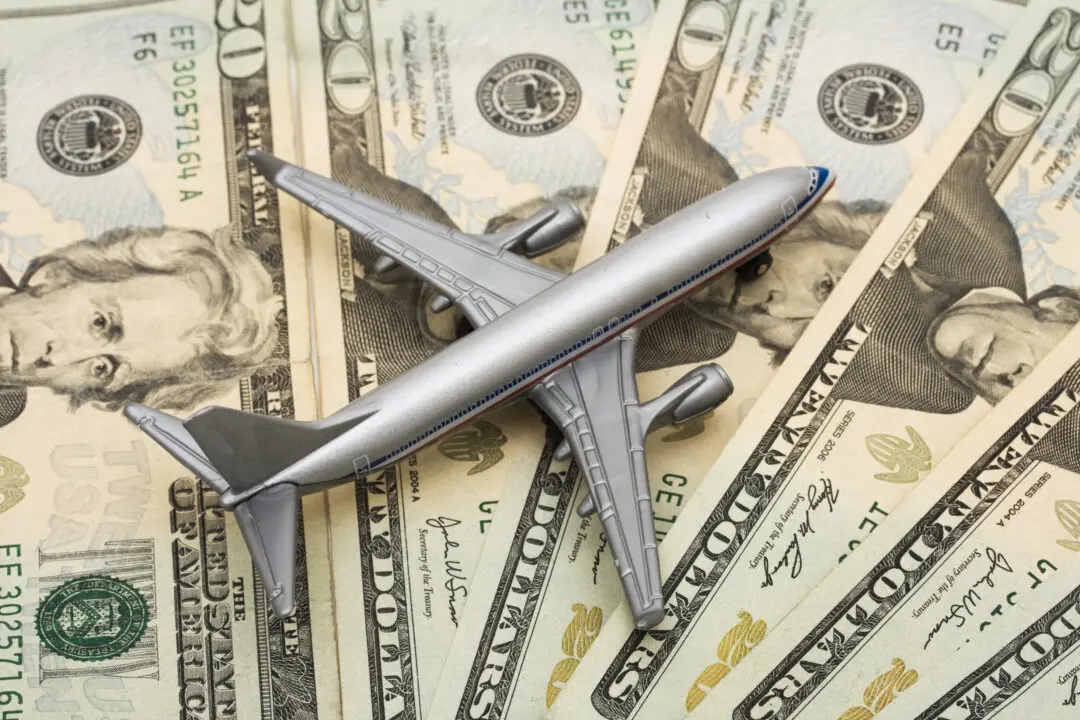
Europe is expensive this summer: Flights to Paris and Rome are running $1,700 to $2,100 roundtrip right now because the cost of jet fuel doubled after the United States and Israel attacked Iran.Transatlantic routes burn the most fuel per seat, and airlines are passing that cost straight through to consumers. But short-haul flights are a different story, according to Dollar Flight Club’s Neugarten.
“Mexico, Puerto Rico, Costa Rica, Jamaica, the Dominican Republic are where we’re seeing consistent sub-$400 roundtrips across the board,” Neugarten said. “Those routes are holding because the flights are short, they burn way less fuel, and they’re dominated by low-cost carriers that actually compete on price.”
Given these factors, Dollar Flight Club’s members are booking Latin America and the Caribbean at a much higher rate than usual this summer. And Neugarten said it makes sense. If a family of four is looking at Europe and airfare alone is going to cost $8,000, flying to Puerto Vallarta for $1,000 total instead is far more appealing.
Spirit’s Collapse Reshapes Summer Pricing
Crushed by soaring jet fuel prices triggered by the Trump Administration’s war in Iran, Spirit Airlines shut down on May 2 as the first major U.S. airline to fail in 25 years. And the impact on domestic summer pricing is already showing up.“Routes where Spirit flew are seeing fares jump 20 percent to 25 percent as other airlines absorb the demand without the same competitive pressure Spirit created,” Neugarten said.
“Fort Lauderdale and Orlando were massive Spirit hubs, and those markets are going to feel this the hardest. The $79 flights that Spirit built its reputation on are gone. Frontier, Allegiant, and Breeze will eventually expand into some of Spirit’s old routes, but that takes months. Right now, capacity is tighter and fares are going to be getting higher.”