I used to think that houseplants were nothing more than expensive dust collectors. Then I bought a pothos, neglected it shamelessly, and watched it grow anyway. That’s when it clicked: Maybe these leafy roommates are doing more for me than I realized.
Science agrees. Indoor plants aren’t just for looks. They can help you breathe easier, sleep better, and even save a few bucks at the pharmacy. Although they won’t magically scrub your air the way an industrial purifier does, they can chip in—plus, they lift your spirits in a way that no machine ever will.
Snake Plant (Sansevieria trifasciata)
This one has stiff green leaves that stand tall like they’re on guard duty. Nicknamed “mother-in-law’s tongue” (I'll let you come up with the jokes), it’s tough and low-maintenance and keeps producing oxygen at night, something that most plants don’t do. Perfect for bedrooms. Bonus: It filters out toxins such as benzene.Spider Plant (Chlorophytum comosum)
The humble spider plant is practically impossible to kill. It grows long, striped leaves and tiny “spiderettes” that dangle like ornaments. It’s known for removing carbon monoxide and xylene from the air. And once it has babies, you can pot them up for free gifts.Aloe Vera
Thick, spiky leaves filled with soothing gel make aloe a built-in first aid kit. Got a burn, scrape, or patch of dry skin? Just slice a leaf and apply the gel. It’s also effective at filtering indoor pollutants.Peace Lily (Spathiphyllum)
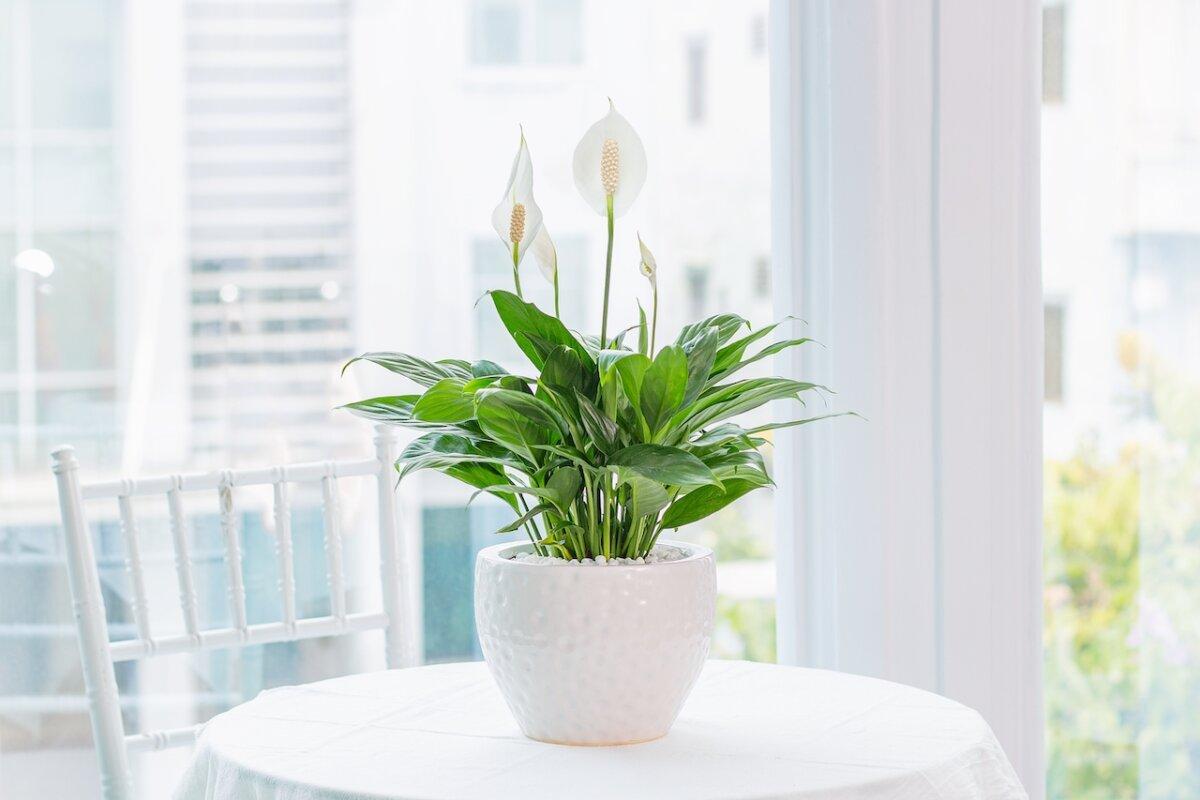
Boston Fern (Nephrolepis exaltata)
If your house feels dry in winter, a Boston fern acts like a natural humidifier. Its feathery fronds release moisture into the air while tackling pollutants such as formaldehyde. Keep a spray bottle handy; it loves misting.Lavender (Lavandula angustifolia)
Yes, you can grow lavender indoors if you have a sunny spot. The fragrance alone lowers stress and improves sleep. Dry the flowers, tuck them into sachets, and you’ve got free drawer fresheners.Pothos (Epipremnum aureum)
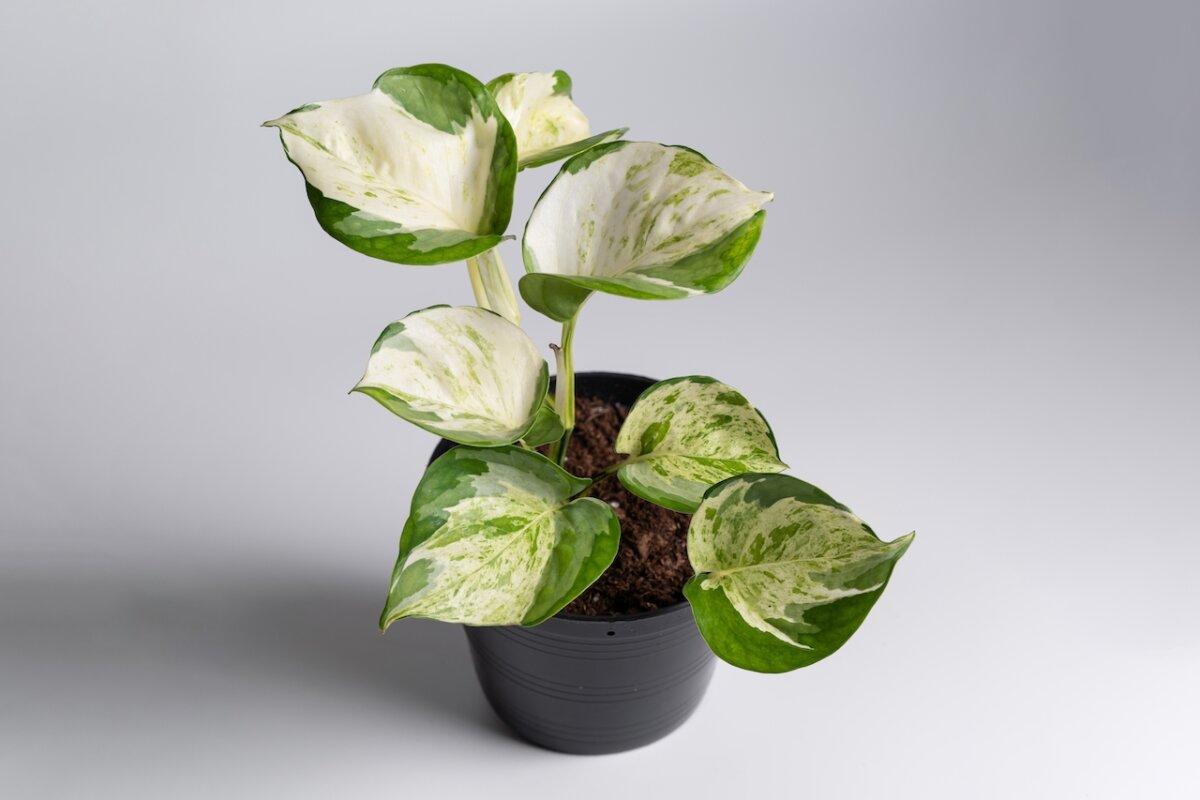
Rosemary (Rosmarinus officinalis)
Sharp scent, needle-like leaves, and a reputation for sharpening memory. Studies show that rosemary can boost concentration. Keep it near your desk or in the kitchen. Fresh sprigs also mean fewer pricey herb packets from the grocery store.English Ivy (Hedera helix)
This climbing vine reduces mold and pet dander, which can be a blessing for allergy sufferers. Train it up a trellis or let it cascade from a basket, and suddenly your living room looks intentional instead of improvised.ZZ Plant (Zamioculcas zamiifolia)
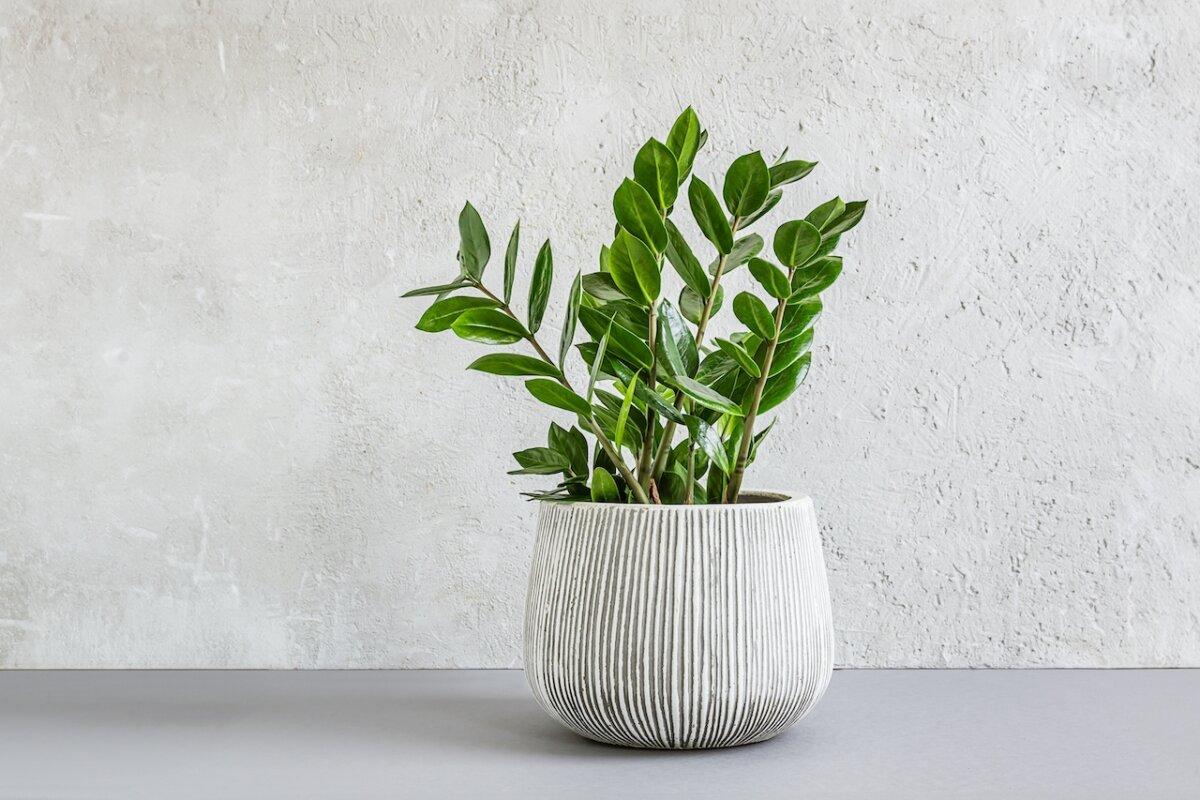
Glossy, upright leaves and the ability to survive in near darkness make the ZZ plant the hero of hallways, offices, and dim corners. It’s practically indestructible, which makes it my kind of housemate.


So what do you get from all this greenery? Cleaner air (even if modestly), higher humidity in dry climates, calmer moods, and a little bit of first aid or kitchen support. In other words, they’re not just pretty faces; they actually do something for you.
And here’s the cheapskate angle: You don’t have to spend a fortune. Grocery stores, hardware stores, and even neighborhood swaps are full of these plants at bargain prices. A $10 pothos or spider plant can last for years, multiply itself, and save you from impulse-buying another overpriced candle.
So if you’ve ever thought, “I can’t keep a plant alive,” pick one of the forgiving ones: pothos, snake plant, or spider plant. Worst case, you’re out $10. Best case, you’ve got a leafy friend who cleans your air and makes your home look just a little more together.