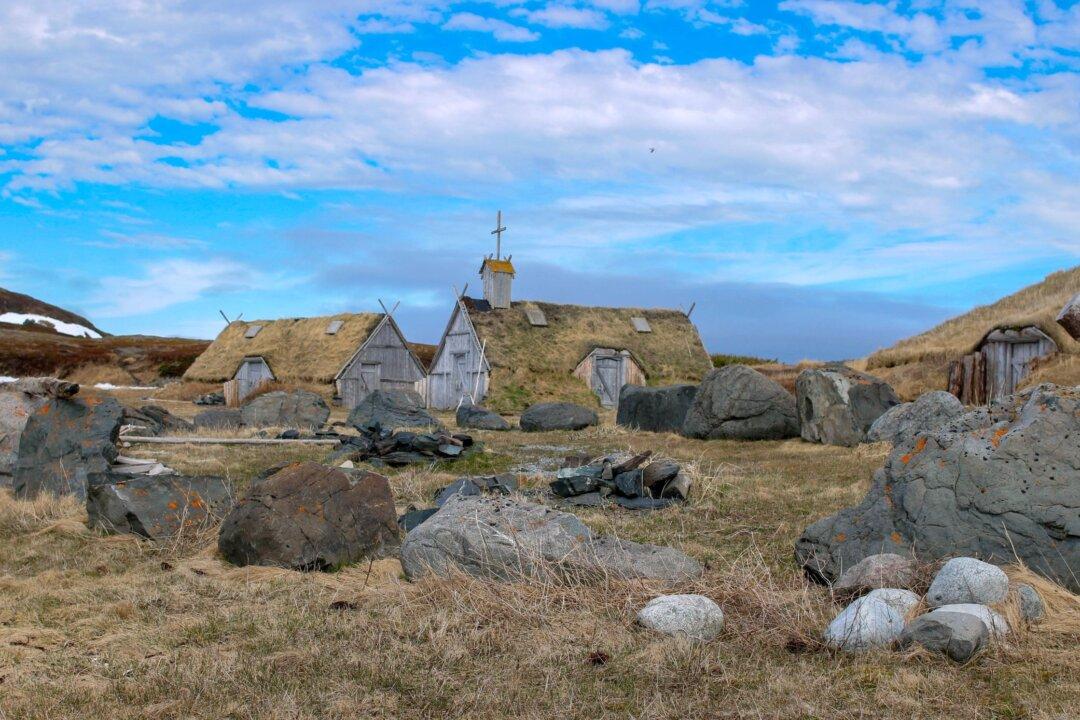
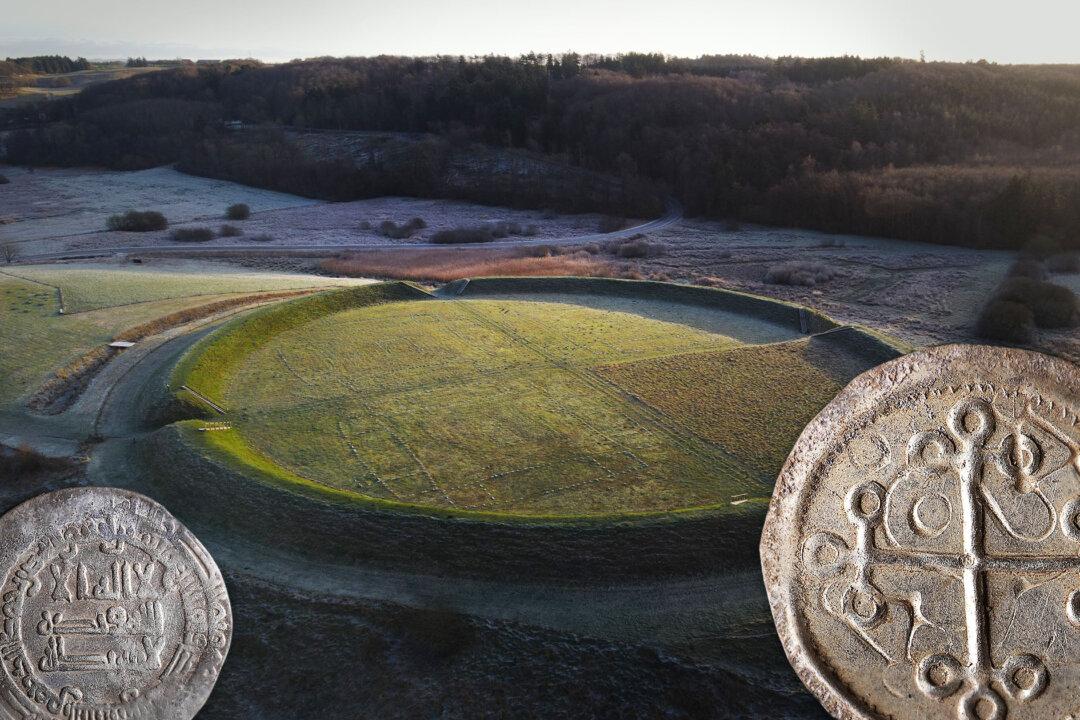
A story passed down in my family for generations may be the clue to finding a lost Norse settlement.

Medieval scholar Donald Yates, Ph.D., is shedding new light on controversial artifacts found near Tuscon, Ariz., in the 1920s.

Ancient records tell us that the intrepid Viking seafarers who discovered Iceland, Greenland and eventually North America navigated using landmarks, birds and whales, and little else.

A new study questions the popular notion that 10th-century Norse people (Vikings) were able to colonize Greenland because of a period of unusually warm weather.

Iceland’s medieval literature is rich in many regards: in Eddas and sagas, it tells us about early Scandinavia and its expanding world-view.

Did Scandinavian traders come to Canada thousands of years before the Vikings are thought to have landed?

Did a Native American set foot on European soil long before we previously thought?

Legend has it that “viking chess,” or Kubb (Swedish for wooden blocks), is a 1,000-year-old game originally played with leftover firewood bits or the bones of viking enemies. It could also be of French origin. Or it could just be a few decades old.