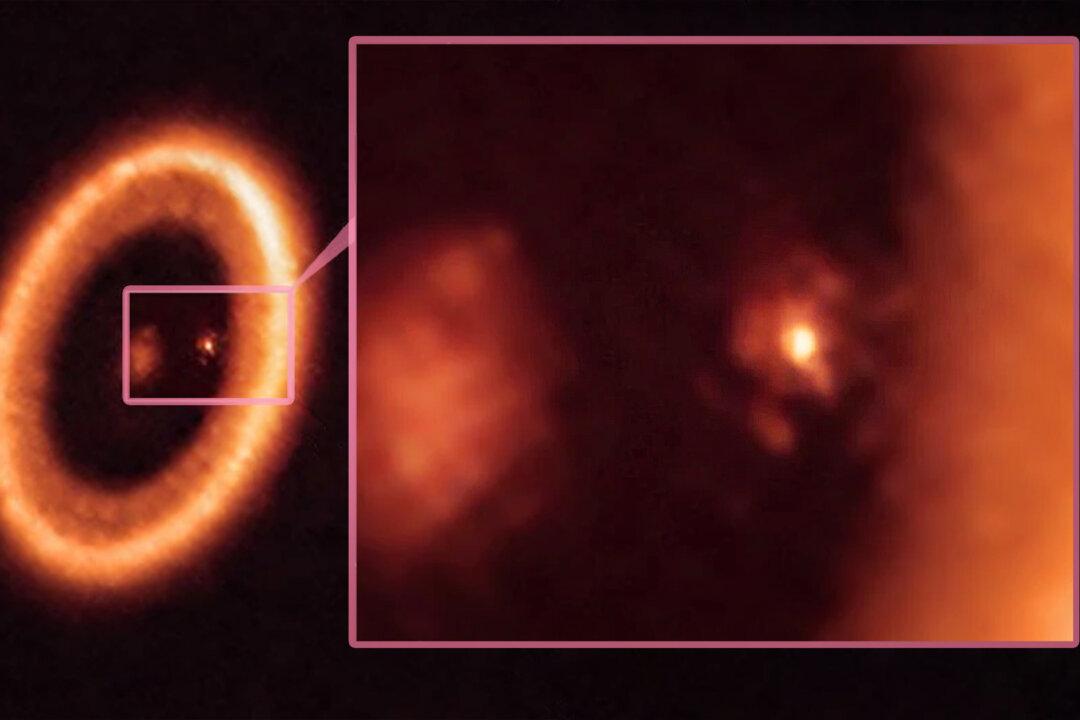
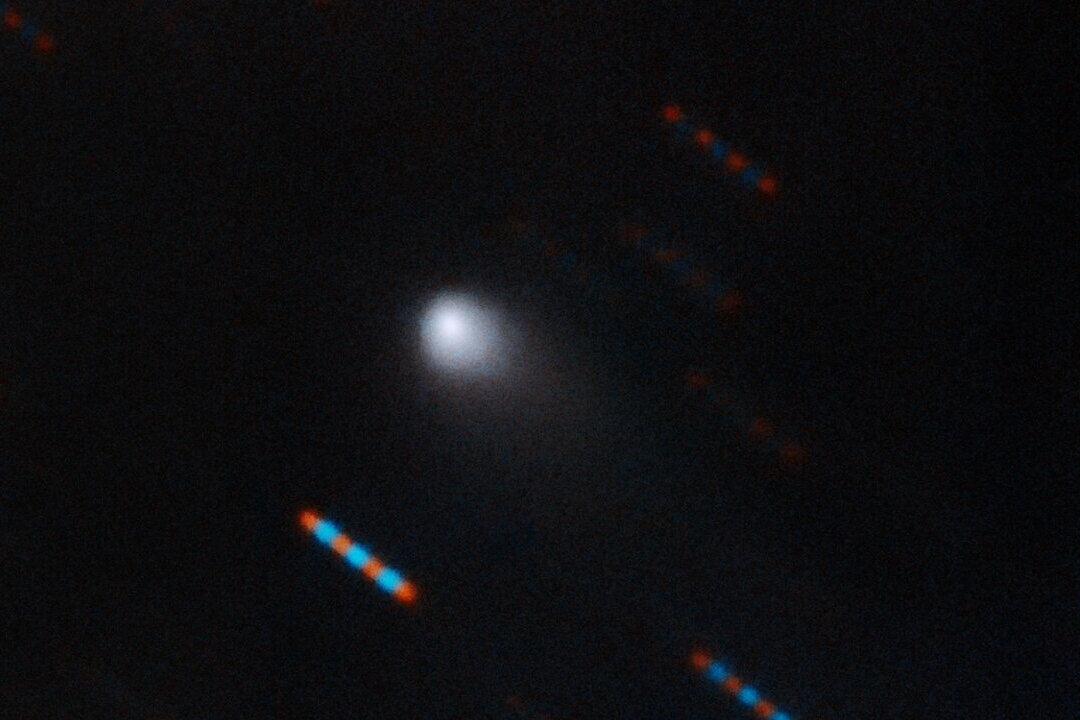
The second interstellar object ever spotted passing through the solar system is a comet that appears like those formed in our neighborhood of the cosmos.

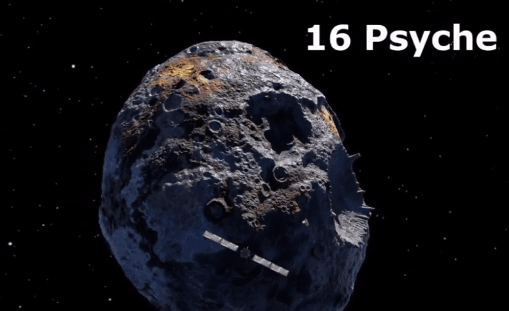
NASA will be sending a spacecraft to one of the solar system’s more unique asteroids.
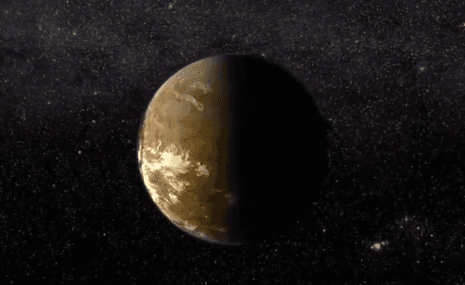
A few months ago, astronomers announced the existence of a potentially habitable planet outside our solar system. A recent study has furthered the hope that Proxima b is, indeed, capable of supporting life.
A new dwarf planet has been discovered hanging out in the far reaches of our solar system.
NASA selects its team to build a new $10 million gadget that will detect planets outside our solar system.

Astronomers are finding new exoplanets in other parts of the galaxy all the time. So why is it so hard to pin down exactly what is orbiting our own sun?

From the mystery of methane on Mars to how Jupiter formed and whether there is microbial life on Saturn’s moon Enceladus, there are many questions about our solar system waiting to be answered this year.

A team of astronomers has discovered the largest solar system known yet, where planets can take nearly a million years to orbit around the star.

This year is shaping up to be another exciting one for space after a bonanza of discoveries and celestial events in 2015.

The weather report predicted widespread clouds on the night of the lunar eclipse. But the clouds cleared in Manhattan by 8:30 p.m., as a mirthful crowd gathered on the 14th St. entrance of the High Line to watch the eclipse.