This town in northern Iraq was home to more than 88,000 civilians in 2013. Today, there are none left living here.

The Kurds say they’re fighting for Iraqi Kurdistan’s independence, and to defend the outside world from ISIS. For some soldiers, the fight is personal.

The old peshmerga general smiled at the sound of the U.S. fighter jets. “That’s the sound of God,” he said.

First you notice the sound of jet engines. The sky is overcast, so you can’t see the coalition warplanes. But you can hear them. And you know what the snarl of jet noise and the occasional thud of an airstrike symbolizes for the Islamic State (ISIS) fighters about a mile away.
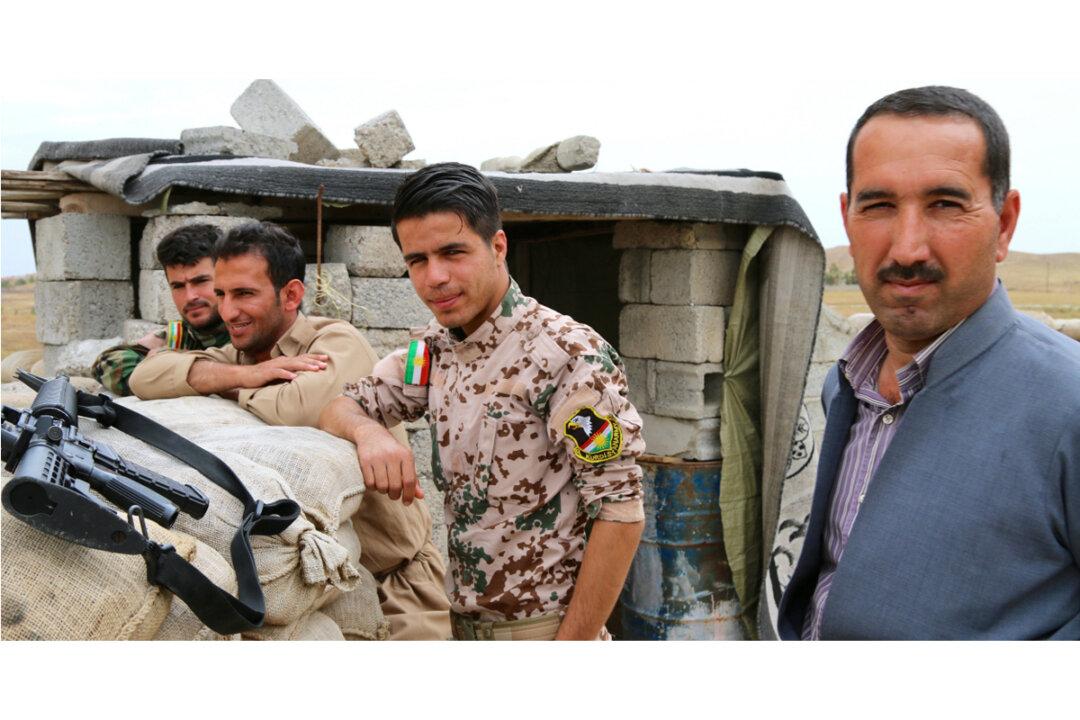
A U.S. Navy SEAL died in combat Tuesday while embedded with Kurdish peshmerga soldiers in a battle against the Islamic State, Department of Defense sources said.

The British Reaper drones are on its way to Iraq or Syria as part of the coalition air war against the ISIS.

The terrorist attacks in Brussels so far have produced an internal evaluation of Belgium’s intelligence and law enforcement missteps, rather than the escalated airstrikes on Islamist targets in Syria that quickly followed the deadly attacks in Paris.

Within hours of a contentious vote Wednesday night in the House of Commons authorizing military action in Syria, four British Tornado warplanes took off from an airbase in Cyprus to hammer an Islamic State-controlled oil field in eastern Syria with laser-guided bombs.

Russia’s nascent Syria campaign has certainly gotten off to a rocky start.

The air war against ISIS is a tricky one for U.S. pilots. Without American troops on the ground, it’s hard to tell friend from foe.

“Most of us who came in after 9/11 have experienced nothing but combat in our careers,” one pararescueman said. “It’s a way of life.”

For the 14th year in a row, a wartime U.S. military remembered the Sept. 11, 2001, terrorist attacks. But this was the first 9/11 anniversary for U.S. military members deployed as part of Operation Inherent Resolve—the U.S.-led air war against ISIS in Syria and Iraq.

It may be less punchy than previous nicknames for U.S. conflicts in the Middle East—remember Operation Desert Storm and its thunderous attacks on Saddam Hussein’s occupation army—but the Pentagon has finally named its fight against Islamic State militants in Iraq and Syria: Operation Inherent Resolve.