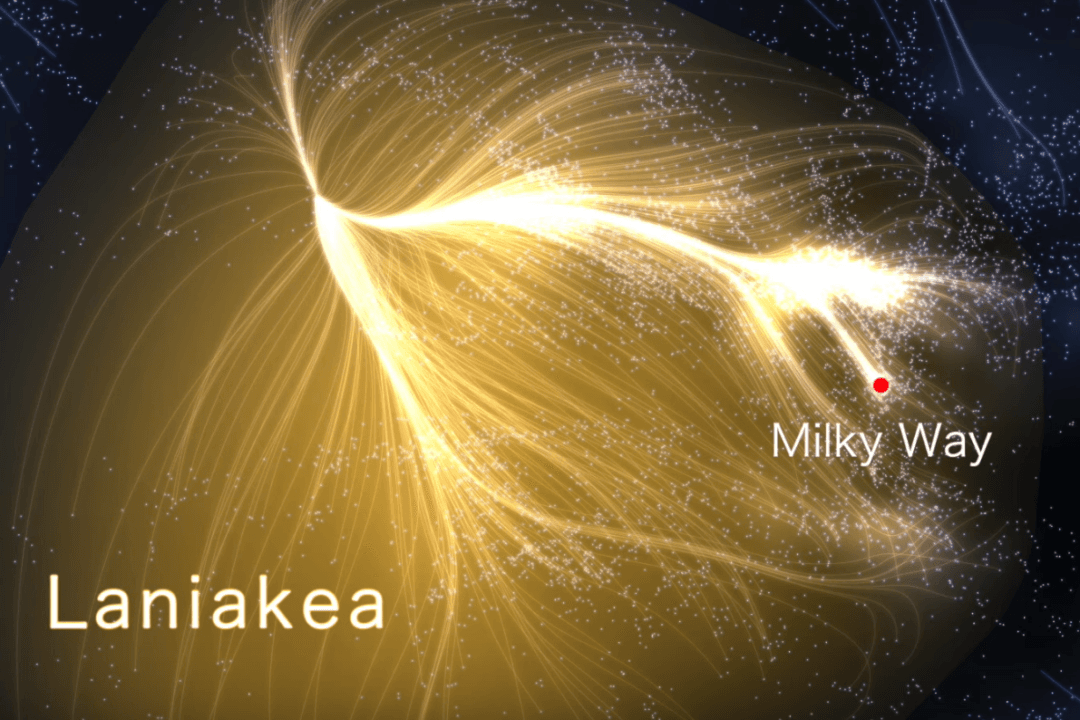
Planets and stars form solar systems, which in turn form galaxies like our own Milky Way, but there are even bigger units in the universe. When enough galaxies are clustered together by gravity, they form long, continuous threads known as cosmic walls.
By measuring the mass of a nearby dwarf galaxy called Triangulum II, researchers may have found the highest concentration of dark matter in any known galaxy.

Astronomers have found a galaxy with a heartbeat—and they’ve taken its pulse.

stronomy is entering an exciting new era of exploration.

Large disk galaxies, much like our own Milky Way, may have existed in the early days of the universe.

Astronomers have discovered a giant swirling disk of gas 10 billion light-years away—a galaxy-in-the-making that is actively being fed cool primordial gas tracing back to the Big Bang.

In the Milky Way galaxy, you have two kinds of stars: those that stay put and stars that like to travel far from home.

Powerful cosmic winds can blow through galaxies, sweeping out interstellar material and stopping future star formation.

New data from a distant galaxy suggests a puzzling stellar phenomenon may not be what astronomers have long believed.

Most black holes have little mass compared to their host galaxy, but a recently discovered black hole grew so quickly the host galaxy couldn’t keep pace.

Planets and stars form solar systems, which in turn form galaxies like our own Milky Way, but there are even bigger units in the universe. When enough galaxies are clustered together by gravity, they form long, continuous threads known as cosmic walls.
By measuring the mass of a nearby dwarf galaxy called Triangulum II, researchers may have found the highest concentration of dark matter in any known galaxy.
Astronomers have found a galaxy with a heartbeat—and they’ve taken its pulse.
stronomy is entering an exciting new era of exploration.
Large disk galaxies, much like our own Milky Way, may have existed in the early days of the universe.
Astronomers have discovered a giant swirling disk of gas 10 billion light-years away—a galaxy-in-the-making that is actively being fed cool primordial gas tracing back to the Big Bang.
In the Milky Way galaxy, you have two kinds of stars: those that stay put and stars that like to travel far from home.
Powerful cosmic winds can blow through galaxies, sweeping out interstellar material and stopping future star formation.
New data from a distant galaxy suggests a puzzling stellar phenomenon may not be what astronomers have long believed.
Most black holes have little mass compared to their host galaxy, but a recently discovered black hole grew so quickly the host galaxy couldn’t keep pace.