This drop is in addition to the $13.7 billion decrease in the education budget that Gov. Gavin Newsom announced in his proposed 2024–25 budget in January.

A poll shows that 80 percent of Republicans see economic troubles ahead, but only 45 percent of Democrats are worried.

The new estimate comes after revenue collections in December and January fell short of projections by $24 billion.
Lawmakers said if financial experts are having a hard time understanding the governor’s proposal to close the multi-billion budget gaps, so too are they.
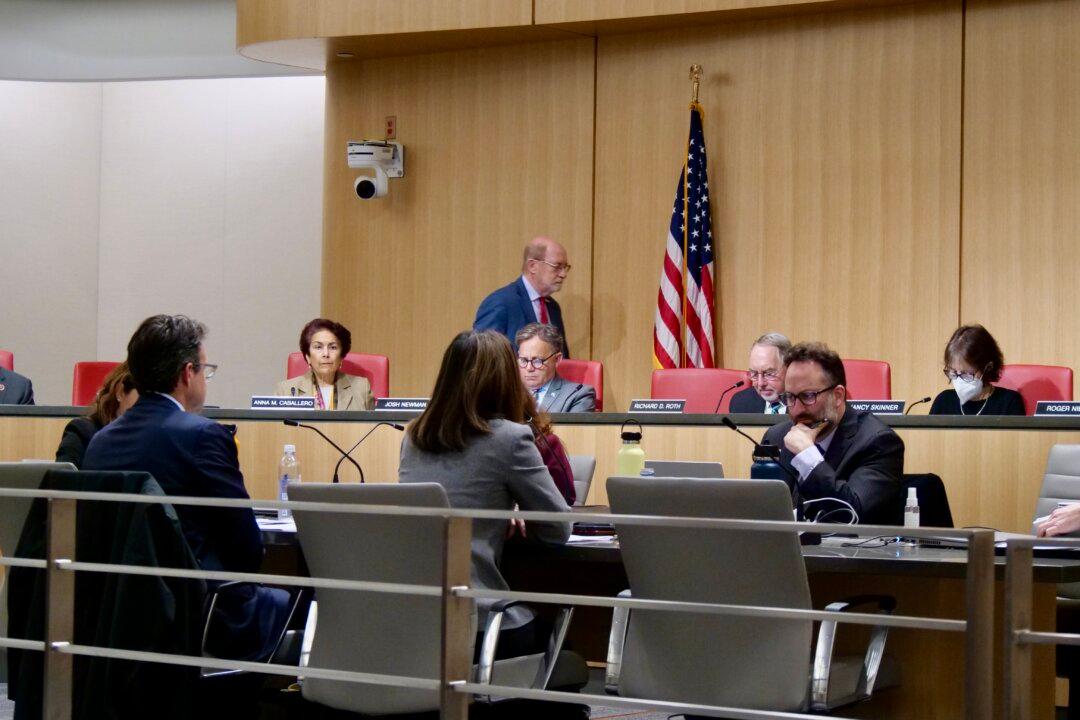
The governor proposed major cuts and funding delays for climate measures, housing programs, and higher education, among others.

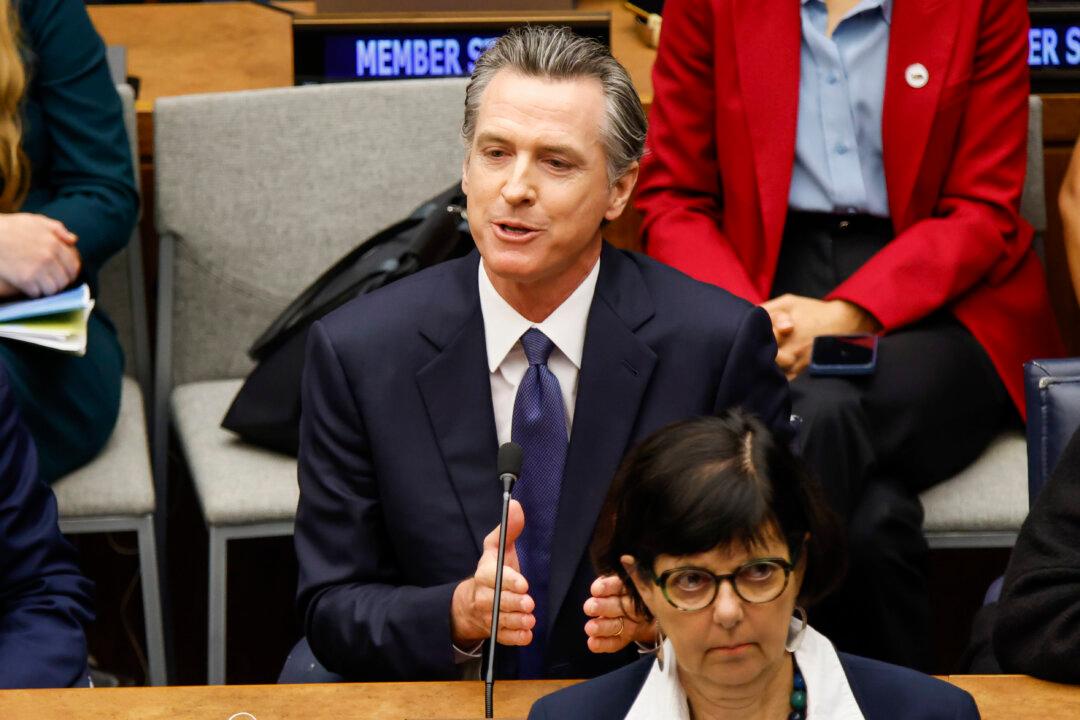
While the state’s Legislative Analyst’s Office estimated in December a $68 billion budget deficit, the governor said his office’s calculations showed the total closer to $38 billion.

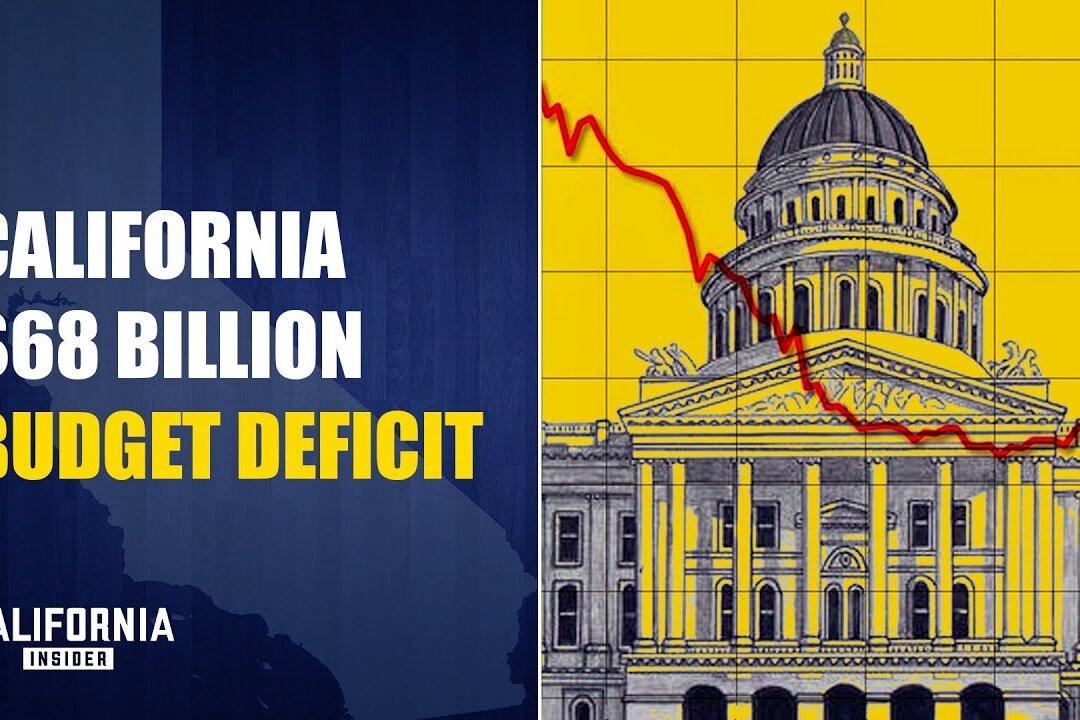
In an insightful interview with renowned economist Christopher Thornberg of Beacon Economics, the conversation dives deep into California’s staggering $68 billion budget deficit in 2024. Thornberg’s analysis sheds light on the intricacies behind this financial shortfall, challenging common misconceptions about the state’s economy and fiscal health.
The deficit is an accumulation of the district’s overspending and reliance on one-time federal and pandemic funds, Superintendent Matt Wayne said.
The exodus of high-income earners also has an impact on the declining state tax revenue, Legislative Analyst Gabriel Petek told The Epoch Times.
Counties rely on state funding for about one-third of their revenue, according to research and analysis nonprofit California Budget and Policy Center.
Planned buybacks of accrued vacation and leave time for state workers are also canceled, except for corrections employees.
Citing a ’severe revenue decline' in the state, analysts anticipate the deficit to accumulate to more than $155 billion over the next five years.

The decrease in tax collections is second only to the nearly 29 percent drop in 2002 following the dotcom bust, according to state tax collection data.
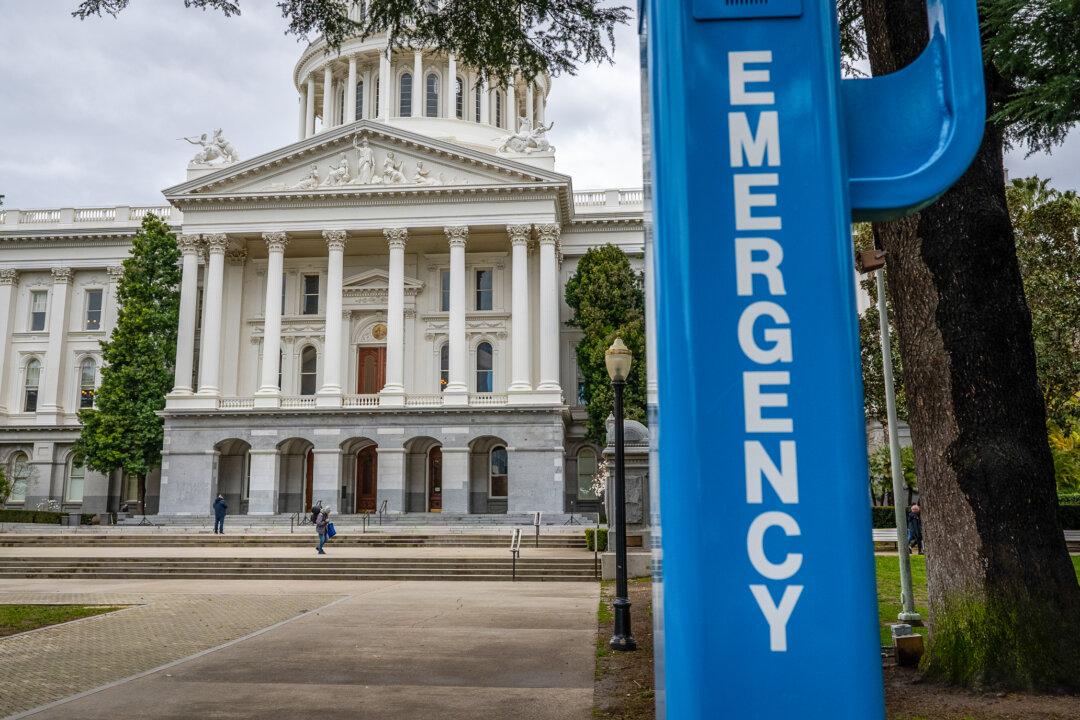
With a previously estimated $31 billion deficit, now California’s spending plan for the upcoming year is affordable, according to a recently released budget review by the state’s Legislative Analyst’s Office, which revised earlier estimates and found that the plan will resolve the state’s projected deficit.
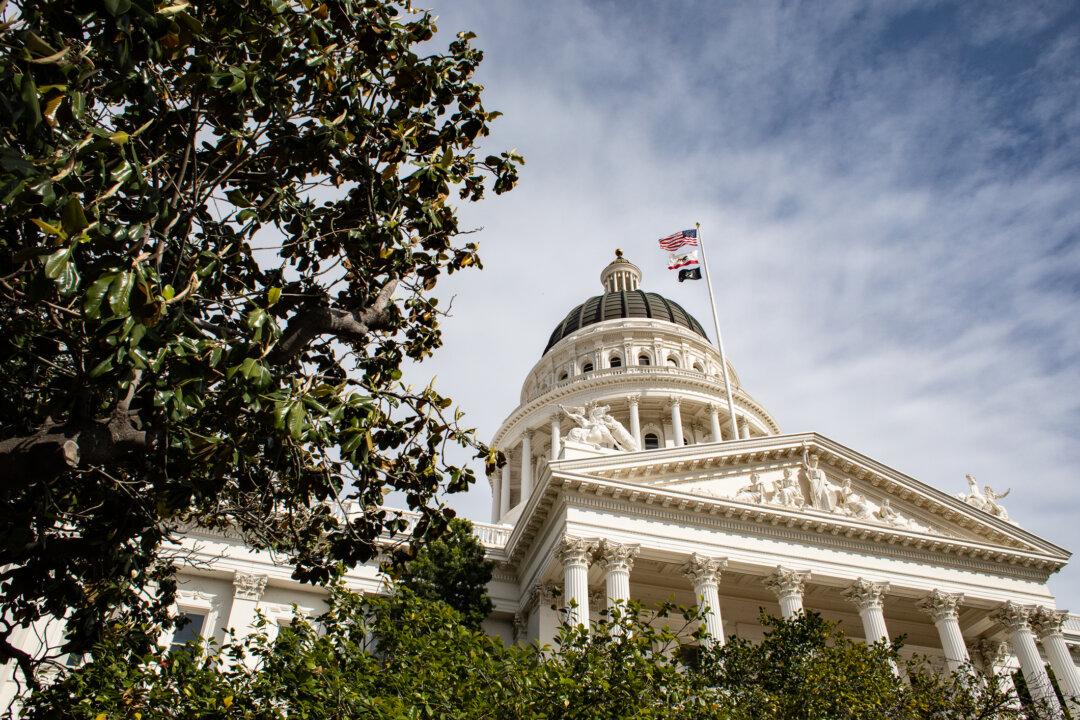

This drop is in addition to the $13.7 billion decrease in the education budget that Gov. Gavin Newsom announced in his proposed 2024–25 budget in January.
A poll shows that 80 percent of Republicans see economic troubles ahead, but only 45 percent of Democrats are worried.
The new estimate comes after revenue collections in December and January fell short of projections by $24 billion.
Lawmakers said if financial experts are having a hard time understanding the governor’s proposal to close the multi-billion budget gaps, so too are they.
The governor proposed major cuts and funding delays for climate measures, housing programs, and higher education, among others.
While the state’s Legislative Analyst’s Office estimated in December a $68 billion budget deficit, the governor said his office’s calculations showed the total closer to $38 billion.
In an insightful interview with renowned economist Christopher Thornberg of Beacon Economics, the conversation dives deep into California’s staggering $68 billion budget deficit in 2024. Thornberg’s analysis sheds light on the intricacies behind this financial shortfall, challenging common misconceptions about the state’s economy and fiscal health.
The deficit is an accumulation of the district’s overspending and reliance on one-time federal and pandemic funds, Superintendent Matt Wayne said.
The exodus of high-income earners also has an impact on the declining state tax revenue, Legislative Analyst Gabriel Petek told The Epoch Times.
Counties rely on state funding for about one-third of their revenue, according to research and analysis nonprofit California Budget and Policy Center.
Planned buybacks of accrued vacation and leave time for state workers are also canceled, except for corrections employees.
Citing a ’severe revenue decline' in the state, analysts anticipate the deficit to accumulate to more than $155 billion over the next five years.
The decrease in tax collections is second only to the nearly 29 percent drop in 2002 following the dotcom bust, according to state tax collection data.
With a previously estimated $31 billion deficit, now California’s spending plan for the upcoming year is affordable, according to a recently released budget review by the state’s Legislative Analyst’s Office, which revised earlier estimates and found that the plan will resolve the state’s projected deficit.