For decades, researchers have been trying to figure out who these mummified knees belonged to. And now, they believe they finally know the answer.
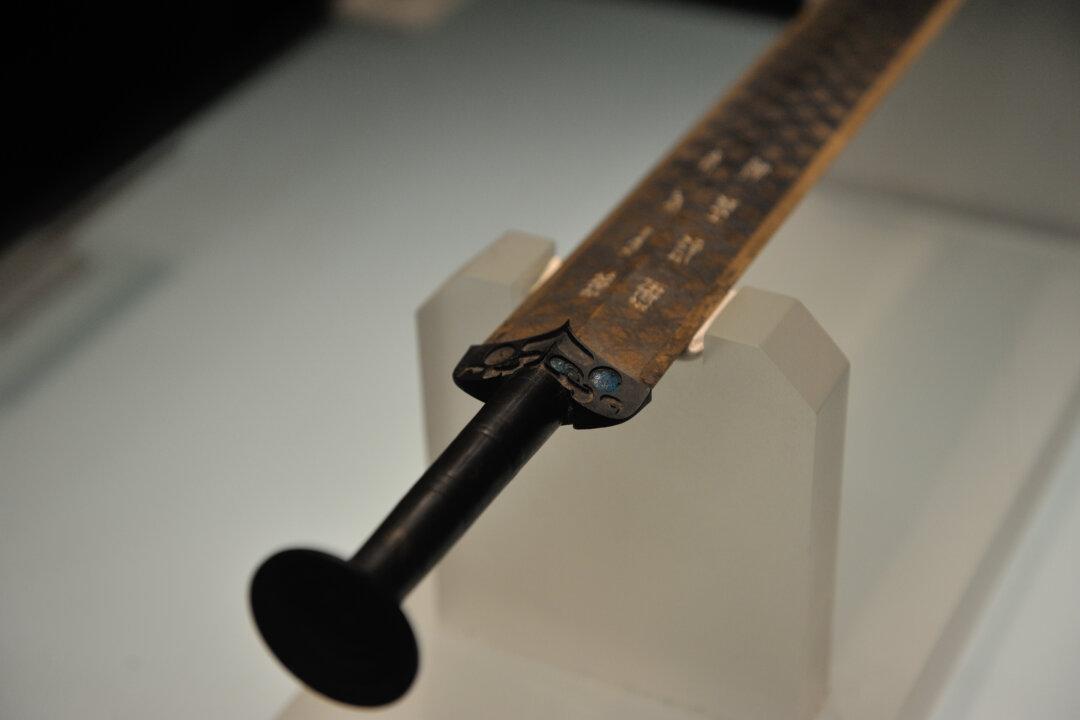
Despite being well over 2,000 years old, the sword did not have a single trace of rust. The blade remained sharp enough to cut through a stack of paper.
Archaeologists have discovered the earliest stone tools found to date.

It was not too long ago that mummies were used in unconventional ways—as drugs, as entertainment, and perhaps even as fuel.

An Israeli researcher has uncovered an ancient monument that may be older than the Pyramids.
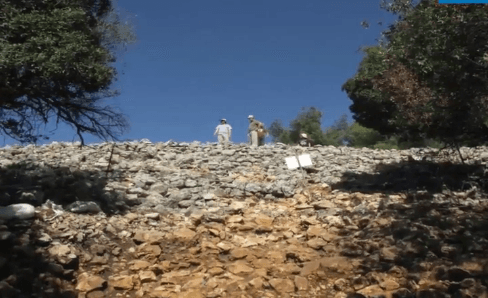
Overlooking the Konya Plain in Turkey lies the remarkable and unique ancient city of Çatalhöyük, the largest and best-preserved Neolithic site found to date. At a time when most of the world’s people were nomadic hunter-gatherers, Çatalhöyük was a bustling town of as many as 10,000 people. Inscribed as a UNESCO World Heritage Site, it is known as one of the best sites for understanding human Prehistory.

For decades, researchers have been trying to figure out who these mummified knees belonged to. And now, they believe they finally know the answer.
Despite being well over 2,000 years old, the sword did not have a single trace of rust. The blade remained sharp enough to cut through a stack of paper.
Archaeologists have discovered the earliest stone tools found to date.
It was not too long ago that mummies were used in unconventional ways—as drugs, as entertainment, and perhaps even as fuel.
An Israeli researcher has uncovered an ancient monument that may be older than the Pyramids.
Overlooking the Konya Plain in Turkey lies the remarkable and unique ancient city of Çatalhöyük, the largest and best-preserved Neolithic site found to date. At a time when most of the world’s people were nomadic hunter-gatherers, Çatalhöyük was a bustling town of as many as 10,000 people. Inscribed as a UNESCO World Heritage Site, it is known as one of the best sites for understanding human Prehistory.