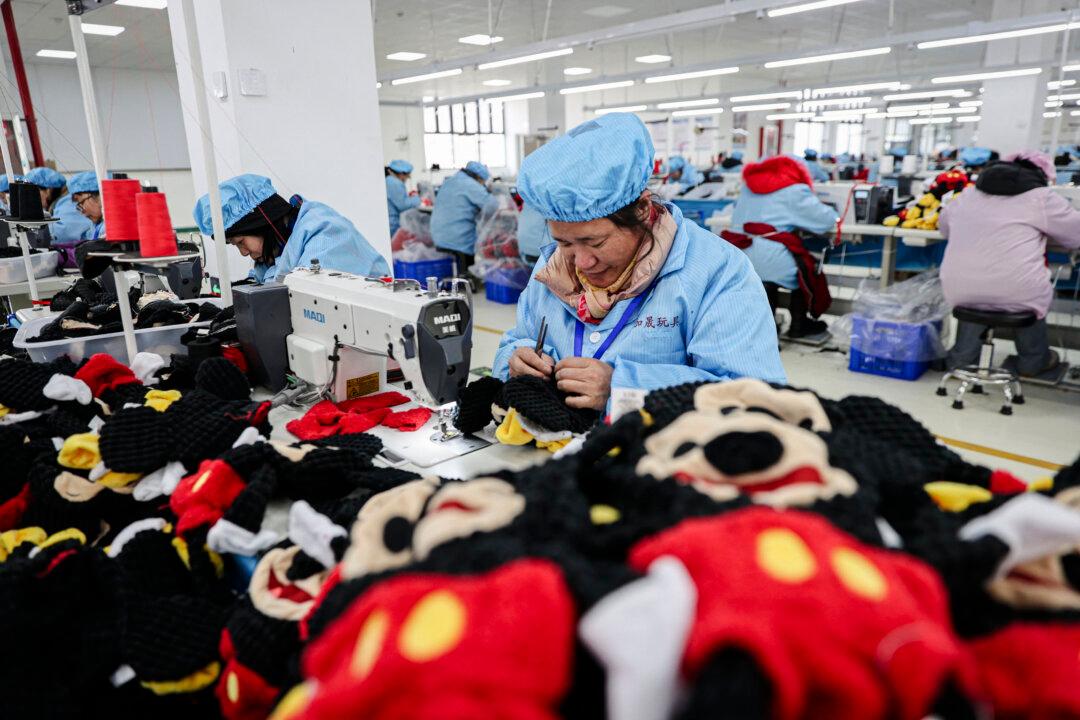
Beijing is forcing China’s banks to bet heavily on the state’s pro-technology agenda. While the country’s technological strides are truly dazzling, today’s practices smack of what Beijing once did with residential property development. And that did not end well.
Mistakes of this kind are commonplace in centrally directed economies, but one would think Beijing might have learned from the country’s property troubles that such practices carry significant risks to the economy’s growth prospects.
And the pressures are relentless. Beijing has explicitly told financial firms—government-owned or private—that all financial work, rather than support commercially promising endeavors, must support “political and people-oriented” activities.
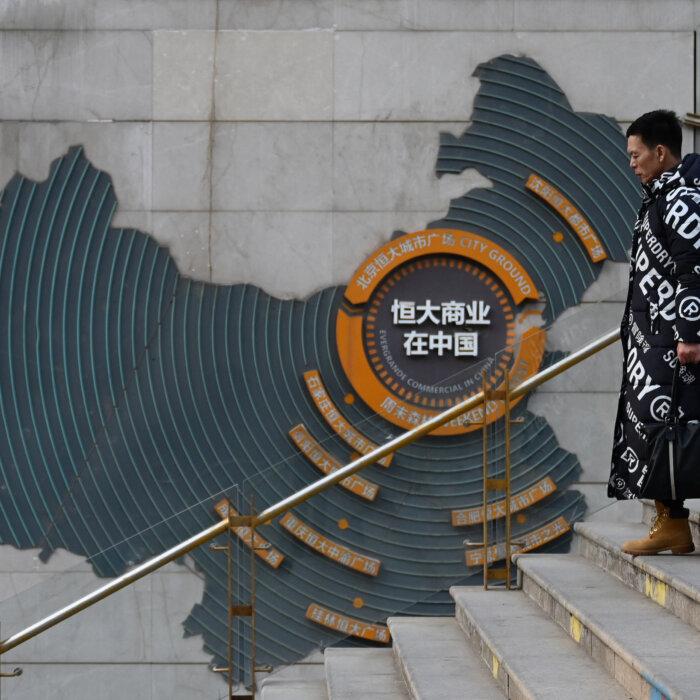

By “political,” Beijing means its national development strategies, and by “people-oriented,” Beijing means public welfare objectives, such as employment and ensuring the completion and delivery of housing projects. Beijing has given the banks “white lists” of specific borrowers that meet these criteria and whom the banks should favor.
The authorities have also handed the banks a range of performance indicators against which they will be judged, mostly the growth in lending to white-list borrowers and those that otherwise meet Beijing’s criteria for favorable financial treatment. Data links will alert financial firms when a borrower meets Beijing’s criteria, enabling the bank to quickly reach out to the firm in question.
These practices will not only limit the financing available to promising firms not favored by Beijing, but also intensify competition among financial firms to cultivate the limited list of companies Beijing favors. Reports suggest that banks have already begun lending at discounted rates to favored firms and, indeed, the authorities are willing to incur losses to attract such business.
Because financial firms are being judged by how fast they are lending to Beijing’s favorites, many are offering loss leaders to tie favored borrowers to them so that other banks, also desperate to increase their lending to Beijing’s favored few, will not steal white-list and white-list-like borrowers away.
It is far from apparent how aware Beijing is of the huge risks implicit in this approach. While the banks scramble to lend to the approved group, they will unavoidably starve the rest of China’s economy for financing, including, no doubt, many promising start-ups and other companies that might do well by meeting a crucial economic need.
At the same time, the pressure, by forcing the banks to discount lending and offering loss leaders, will undermine the long-term viability of China’s financial sector, just as the property push undermined the viability of local governments. It is not inevitable that the banks will follow the ill-fated path that local governments have traveled, but the risk is certainly present.
At one level, it is amazing that Beijing has decided to risk reproducing, albeit in another sector of the economy, something like the property disaster that still plagues China’s economy. At another level, however, it is not at all surprising. China’s communist system believes fervently in central planning.
To recognize the dangers implicit in this otherwise arrogant and misguided belief would require thinking in ways contrary to communist belief, and perhaps, for Chinese leader Xi Jinping and his colleagues in Zhongnanhai, such thoughts carry more risk than does any financial or economic crisis.