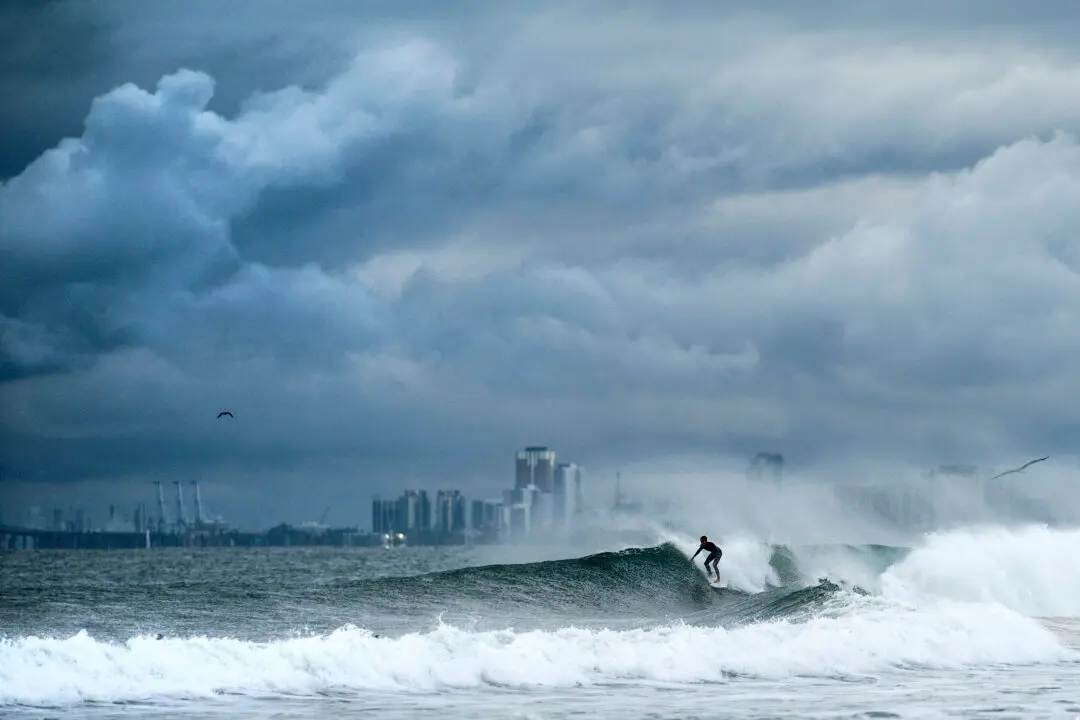
The warm weather pattern could evolve into a ’super El Niño' if sea surface temperature rise by 3.6 degrees Fahrenheit above its average.
Airlines are braced for days of delays and cancellations as forecasters warn of heavy snow and ice.
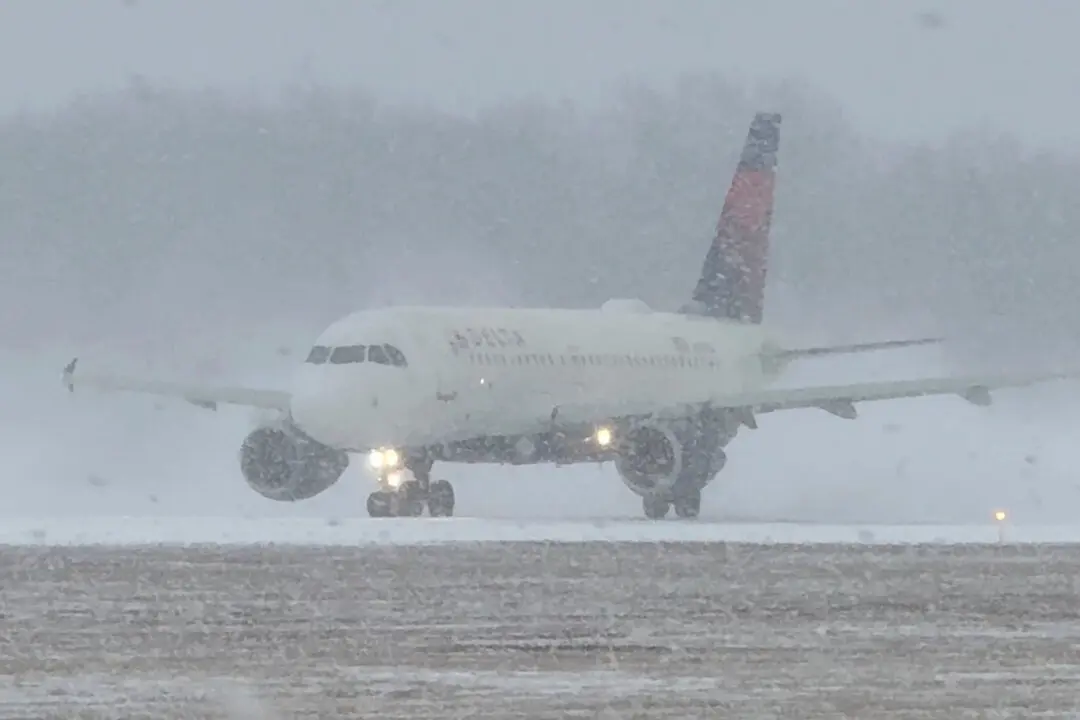
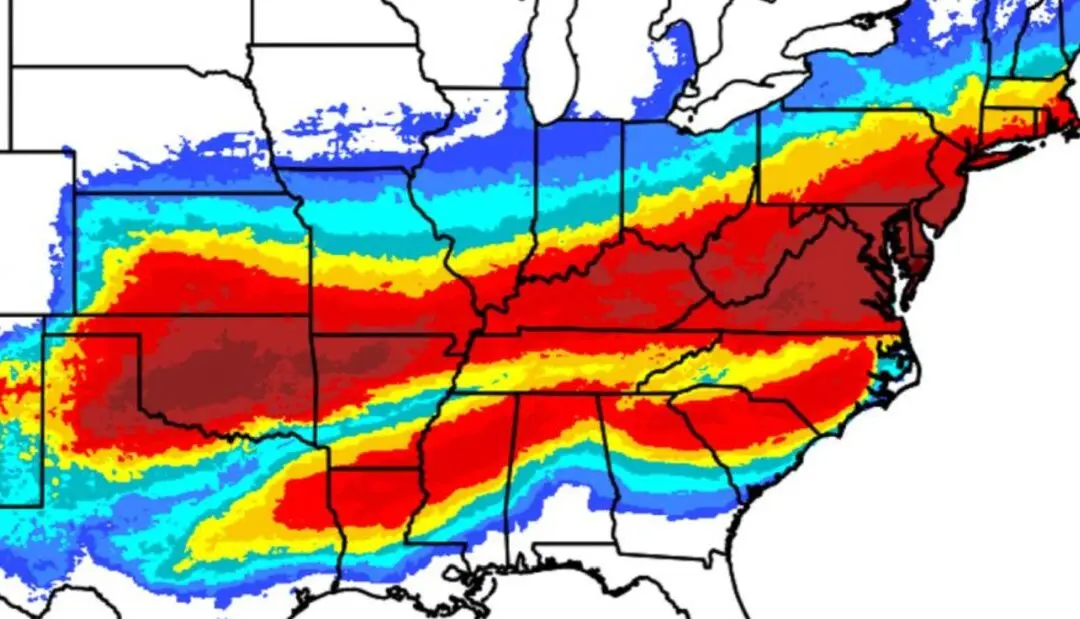
Snowfall is expected in parts of Texas and Louisiana and across the Midwest, the agency says.

Several feet of rain and snow fell across the state over the past five days.

‘The biggest storm window of the season’ is expected to bring several inches of snow to the mountains, experts say.

A storm is expected to ramp up March 5 with heavy rain and thunderstorms possible.
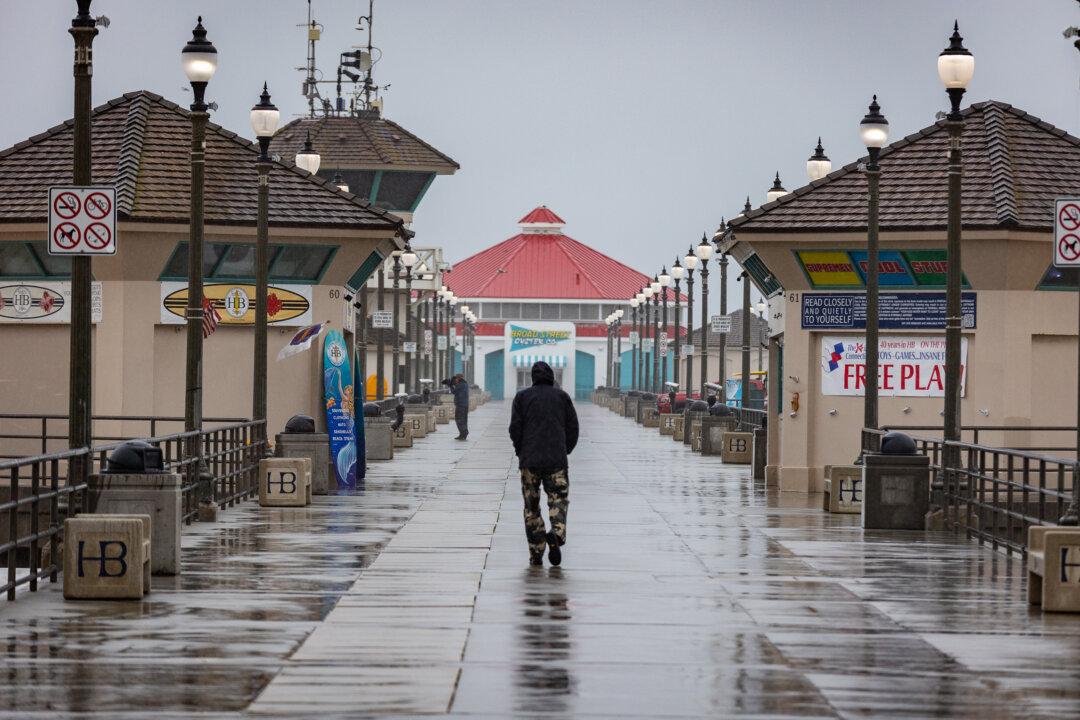
The Pacific Coast Highway will remain fully closed in parts of in Malibu and Los Angeles until further notice.

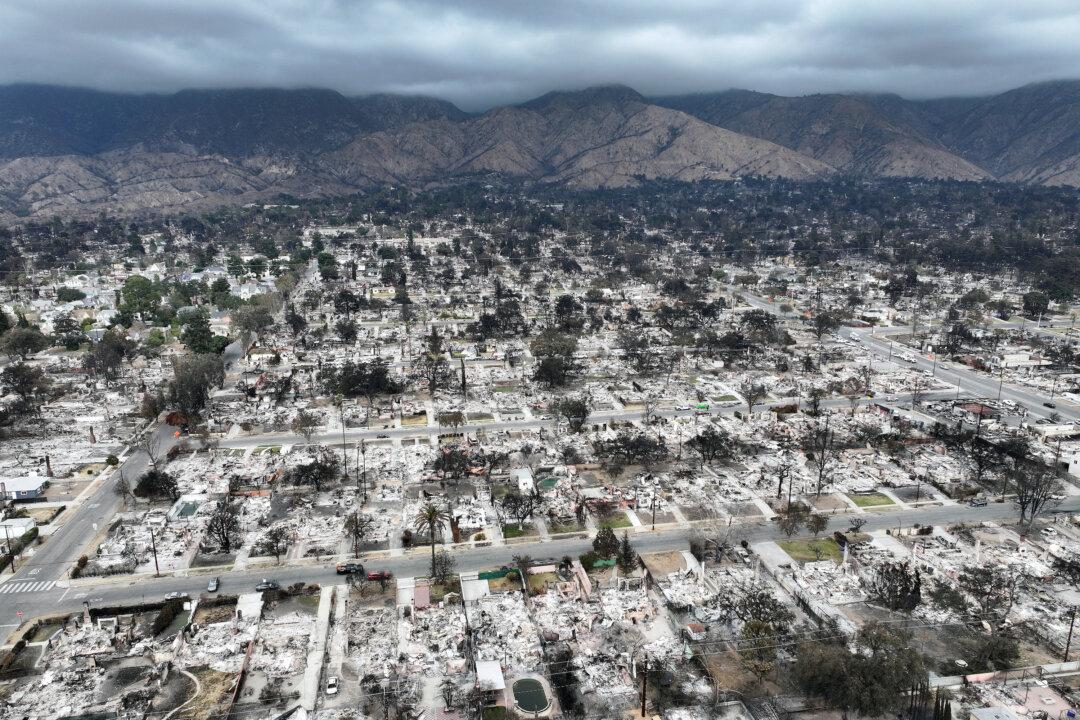
State crews are shoring up areas recently burned in catastrophic wildfires as the storms approach.
An ‘atmospheric river’ is expected to hit Northern California starting on Feb. 7.

The four largest fires around Los Angeles have burned more than 63 square miles, an area similar in size to Washington, D.C.

The NOAA stated that cooler ocean surface temperatures due to La Niña lead to a wet north and a drier south in the Golden State.
Forecasters described the storm as ’the strongest wind event of the season,' with increased fire risk and possible power outages.