Scientists say they’ve uncovered one reason zebras have stripes: they act like insect repellent, keeping away blood-sucking flies.

After traveling the Pacific Ocean for years, sockeye salmon find their way home to their birthplaces using the Earth’s magnetic field, new research shows.

The common mole, Scalopus aquaticus, can find its prey by smelling which direction it’s in, according to a new U.S. study.

Numerous species of shrimp belong to the genus Periclimenes and are often also called “anemone shrimp.”
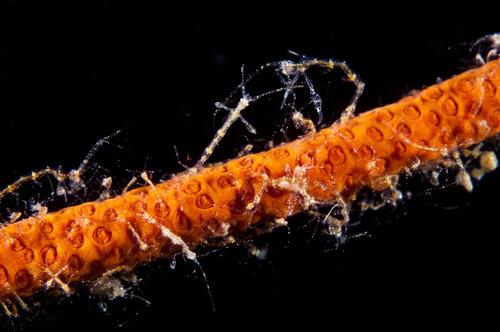
The orangutan crab, Achaeus japonicus, is a small crustacean in the decorator or spider crab family.
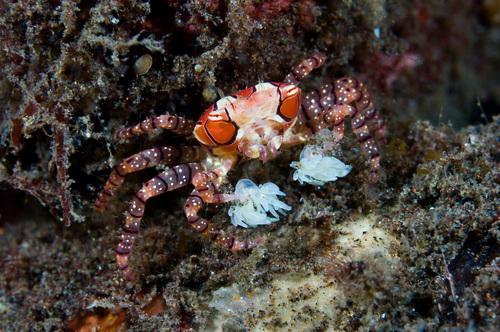
The boxer crab, Lybia sp., carries a pair of sea anemones on its pincers to ward off predators and fight duels with other crabs.
The smallest known fossilized tetrapod footprints have been found at the Joggins Fossil Cliffs in Nova Scotia.

The seed-dispersing role of a large mammal family that died out in the Pleistocene may have been adopted by rodents and thus prevented the black palm tree from going extinct.
Wolverines may use crevices in snow-covered areas to store food for times of need, rendering them vulnerable to global warming.
Bats’ roosting habits during hibernation could affect their susceptibility to a fatal fungal disease, according to a new U.S. study.

Small rodent-like animals called hyraxes produce vocalizations that provide details of an individual’s traits, such as age, status, and size.

Scientists uncovered the first evidence of a non-human species cultivating plants for use other than as food.
Researchers found that the Tasmanian tiger had extremely low genetic diversity.

Nearly 600,000 emperor penguins have been recorded in Antarctica, almost double previous estimates, with satellite mapping technology.
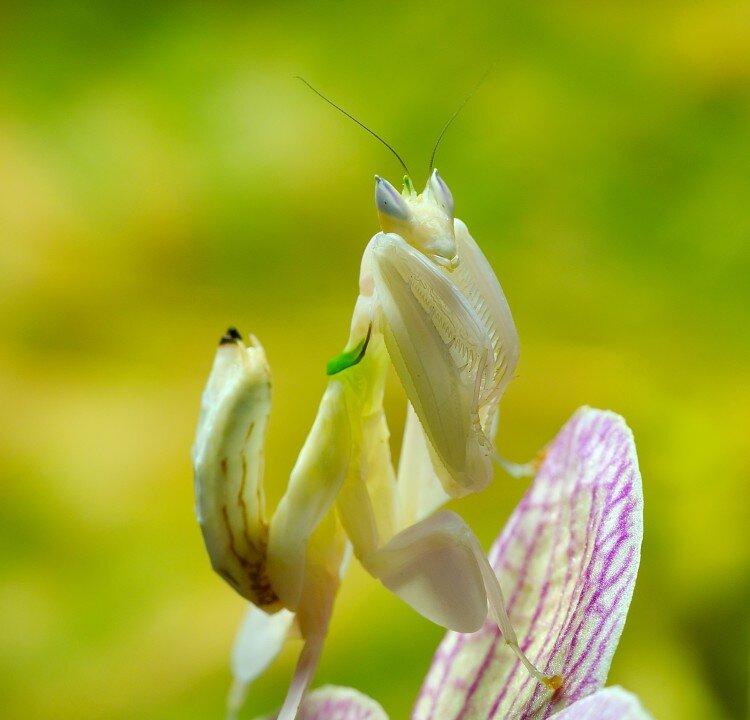
The orchid mantis, Hymenopus coronatus, is an attractive praying mantis native to the tropical rainforests of Southeast Asia.